By Professor Dato Dr Ahmad Ibrahim
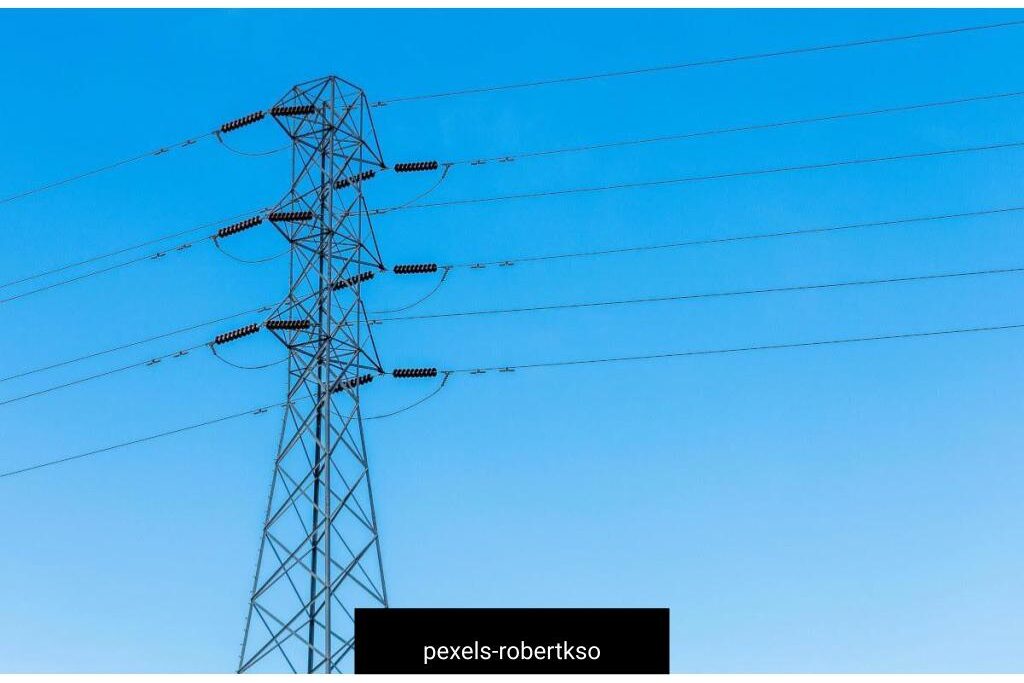
Power can be a force that can illuminate a city: electric power or destroy a city: political power. That statement cuts to the heart of our political and economic turmoil: the difference between a power grid and power greed. One is a system of distribution, designed for resilience and shared prosperity. The other is a pathology that concentrates energy until the system buckles. In this simple dichotomy lies the central challenge of our era. We must decide whether we will build the political equivalent of a modern, decentralized, and resilient grid, or continue to suffer under the weight of a corrupting concentration of force.
For centuries, the architecture of political power has mimicked its industrial predecessor: the central station. The model is one of scarcity and control. A single plant—be it a dictatorship, or an oligarchic capital—generates the “current” of authority and transmits it downward through brittle, hierarchical lines. As the adage warns, this power tends to corrupt, and absolute power corrupts absolutely. But the corruption is not merely a moral failing of the individual holding the switch; it is a structural flaw in the system itself.
When power is concentrated, it creates fragility. It invites capture by special interests, fosters resentful factions, and breeds what political scientists call “political entropy”—the tendency for centralized systems to decay into inefficiency and self-dealing. We see this today in the gridlocked legislatures, the executive overreach, and the pervasive sense that the “current” of governance no longer reaches the peripheries where people actually live. This is the consequence of power greed: the insistence that authority is a finite resource to be fought over, won, and stockpiled.
A healthy electrical grid is not defined by a single source, but by its architecture of distribution. It is resilient because it is networked. It allows for local generation—solar panels on a home, a community wind farm—while remaining connected to a larger system of stability. It is regulated not to suppress innovation, but to prevent the catastrophic failure that occurs when one node demands too much of the current.
Translating this to governance offers a radical reimagining. A political “grid” would prioritize subsidiarity—the principle that decisions should be made at the most local, practical level. It would value redundancy, ensuring that no single branch of government, no single corporation, and no single individual holds a monopoly on coercion or policy. It would create “circuit breakers”—strong institutions, a free press, and an independent judiciary—that trip before a power surge can burn out the entire system.
The tragedy of our current moment is that we have allowed the logic of the central station to override the logic of the grid. We are told that to solve big problems, we must vest more and more power in a single executive, or that to be efficient, the market must be consolidated into fewer and fewer hands. But this is not strength; it is a single point of failure. When one person controls the lion’s share of a nation’s attention, wealth, or authority, we are not being governed; we are being subjected to a blackout waiting to happen.
The world does need power to fuel the economy and support lives. But the question is not how much power we generate, but how we distribute it. A grid shares the load; it creates healthy sharing because it is built on the premise that energy is most valuable when it is accessible to all. Greed, by contrast, treats power as a zero-sum game—for me to have it, you must lack it.
History has shown us the end result of power greed. It is the crumbling empire, the failed state, the kleptocracy where the lights go out because the wires were stripped for copper by those at the top. History also shows us the resilience of the grid. It is the city that rebuilds after a storm because the network of mutual aid was stronger than the centralized utility.
We must choose which architecture to build. We can continue to worship at the altar of concentrated authority, seduced by the false promise of strongmen who promise to “fix” things if only we give them all the juice. Or we can commit to the harder, messier, more democratic work of building a grid: reinforcing local institutions, dispersing economic might, and ensuring that the power that runs the world is not locked in a vault, but flows freely through the networks we all depend on.
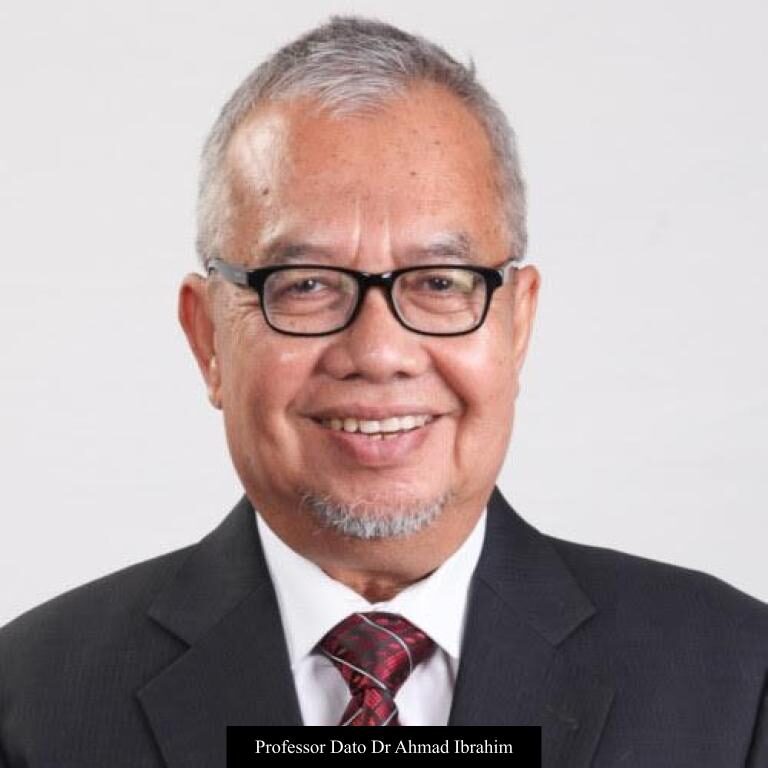
The author is affiliated with the Tan Sri Omar Centre for STI Policy Studies at UCSI University and is an Adjunct Professor at the Ungku Aziz Centre for Development Studies, Universiti Malaya.
About The Author