By Prof. TPr Dr Goh Hong Ching and Muhammad Fardy Md Ibrahim
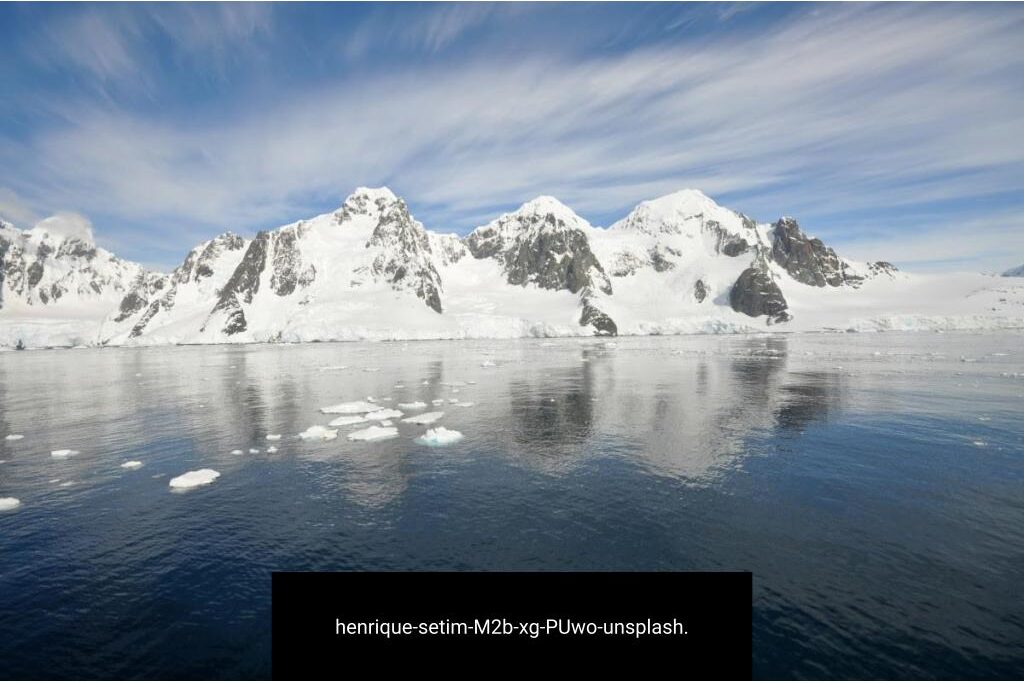
As world leaders and scientists gather in Hiroshima this week for the Antarctic Treaty Consultative Meeting (ATCM), it is a timely moment to reflect on why Antarctica, the world’s most remote continent, matters deeply to a tropical nation like Malaysia.
Although separated from Antarctica by thousands of kilometres, Malaysia has long played a distinctive role in shaping international Antarctic discourse. In the 1980s, former Prime Minister Tun Dr Mahathir Mohamad brought Malaysia’s voice to the United Nations, calling for more equitable governance of Antarctica and greater participation of developing nations in decisions affecting this shared global space. That advocacy helped set the tone for Malaysia’s continued engagement as a Non-Consultative Party to the Antarctic Treaty System.
Today, while Malaysia does not hold voting rights at the ATCM, the country remains an active contributor through scientific collaboration, academic research, and environmental diplomacy.
For many Malaysians, Antarctica may seem a world away. But the science tells a different story. Melting ice sheets and shifting polar climate systems are directly linked to rising sea levels, coastal erosion, changing monsoon patterns, and increasingly erratic weather, all of which are already being felt in Malaysian coastal communities. Reports by the Intergovernmental Panel on Climate Change (IPCC) consistently highlight that the effects of polar change extend far into the tropics.
Researchers are also examining what scientists call “tropical-polar teleconnections” the ways in which environmental changes in Antarctica can influence weather, ocean circulation, and climate systems across equatorial regions. For a maritime nation like Malaysia, these findings carry serious implications.
Recent data from the International Association of Antarctica Tour Operators (IAATO) shows that Malaysian travellers now rank among the top 20 visitor source countries to Antarctica. This is actually a trend that speaks to growing curiosity about one of the world’s last great wildernesses. However, this comes with a responsibility that should not be taken lightly.
Antarctica is not merely a bucket-list destination. It is one of the most fragile ecosystems on Earth, where even the smallest human footprint can have lasting consequences. Every Malaysian who makes the journey south has the potential to return as more than a tourist, e.g., as an educator, advocate, and storyteller who helps their community understand the profound connection between this distant continent and our own tropical shores.
Antarctica may feel remote, but its story is inseparable from our own. Every Malaysian whether a student curious about climate science, a teacher looking to broaden horizons, or simply someone who cares about the future of our coastlines and communities has a stake in what happens at the ends of the Earth.
Learning more about polar science, talking about it, and supporting policies that protect our shared environment are small but meaningful steps anyone can take. The more Malaysians understand the connection between the frozen south and our tropical home, the stronger our collective voice becomes in shaping a sustainable future for all.
Antarctica is not a distant curiosity. It is a barometer of planetary health and what happens there will shape the world we and our children inherit.

Prof. TPr Dr Goh Hong Ching is a member of the Department of Urban and Regional Planning, Faculty of Built Environment, Universiti Malaya while Mr Muhammad Fardy Md Ibrahim is the Head of Corporate Affairs and Communication at the Sultan Mizan Antarctic Research Foundation
About The Author