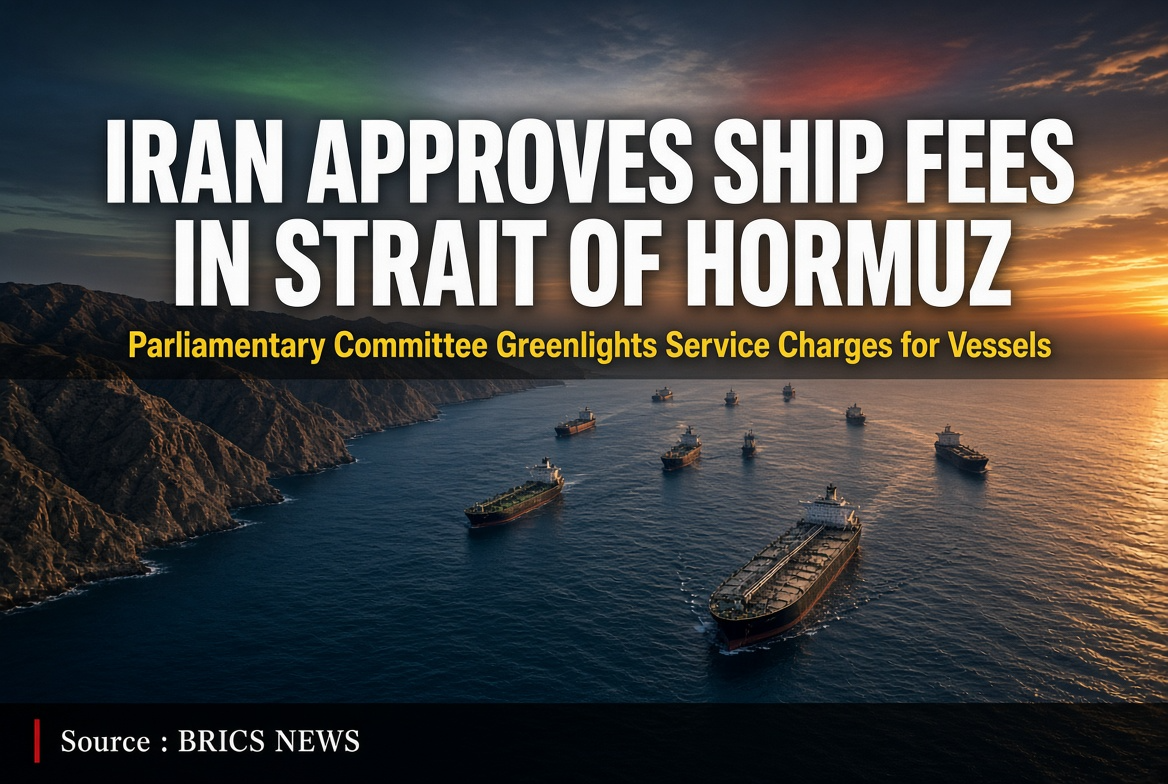
TEHRAN, August 23, 2026 — Iran’s National Security and Foreign Policy Committee has approved Article 3 of a draft “Strategic Action Plan to Ensure Security and Progress in the Strait of Hormuz,” authorizing fees for a range of services provided to vessels transiting the vital waterway.
Committee spokesperson Hassan Qashqavi announced the decision after a Sunday session, noting that the article had been deferred from a previous meeting. Under the provision, ships from countries authorized to pass through the strait will be charged for maritime navigation services, environmental protection, fuel supplies under special conditions, insurance, safety and security measures, and other assistance rendered by Iran.
Fees may be paid in Iranian rials or any other currency designated by the Islamic Republic. Qashqavi emphasized that the plan recognizes freedom of navigation under international law while underscoring the rights, security, and sovereignty of littoral states bordering the strait.
The measure still requires approval by the full parliament before becoming law. It forms part of broader Iranian efforts to formalize management of the Strait of Hormuz, through which roughly 20 percent of the world’s seaborne oil normally flows.
The approval comes amid sharply reduced shipping volumes following regional conflict that began in early 2026. Iranian authorities have previously collected similar payments on an ad hoc basis, with reports of charges reaching up to $2 million per vessel. A temporary 60-day fee waiver under a June memorandum of understanding expired earlier this month.
Tehran frames the charges as legitimate fees for specific services rather than transit tolls, a distinction it says aligns with international maritime rules. The move has drawn international attention as tensions over control of the strategic chokepoint continue.
About The Author