By Mohd Hilmy Naim Mohd Yakin
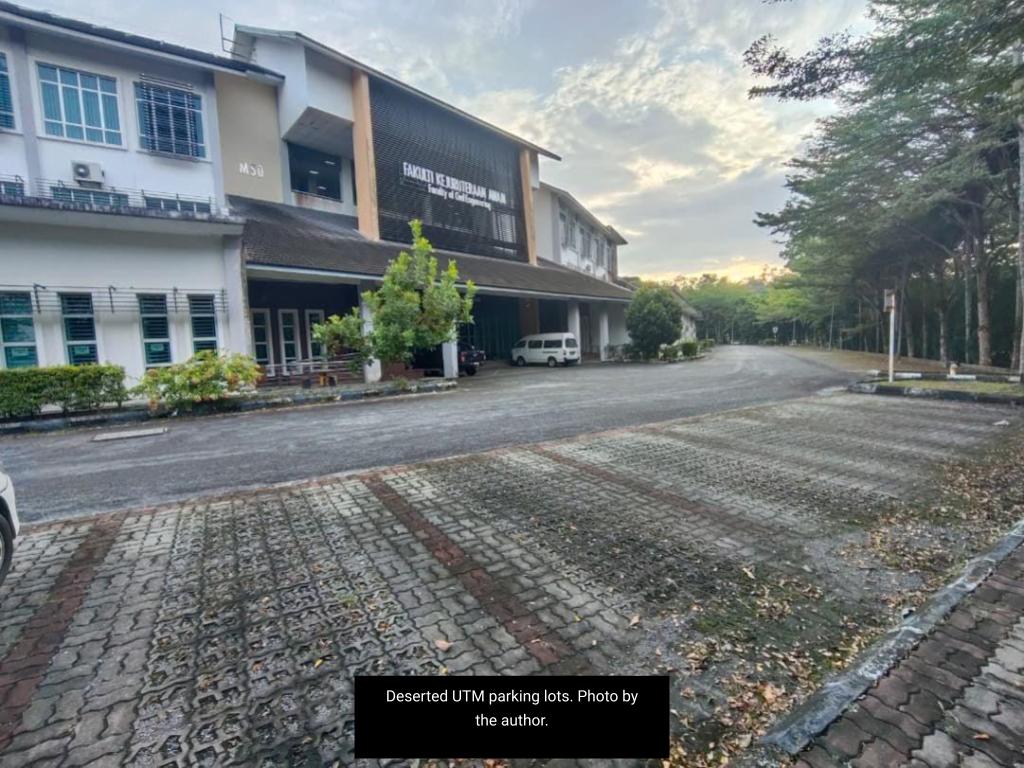
Universiti Teknologi Malaysia (UTM) recently has taken on a noticeably different operational profile. Vehicular movement across campus has reduced, several academic blocks remain unoccupied for extended periods, and daily activity appears more concentrated within selected zones. While this may suggest a temporary slowdown, the underlying reality is a deliberate restructuring of how the university functions in response to external pressures.
These adjustments are closely linked to the ongoing global energy situation, which has introduced new constraints on institutional operations. Rising utility costs and broader concerns on energy sustainability have required universities to reassess not only how much energy is used, but where and when it is consumed. At UTM, this has translated into measures such as additional work-from-home (WFH) implementation and the consolidation of physical activities within centralised facilities, including the Sultanah Zanariah Library (PSZ).
From an engineering standpoint, the approach is consistent with basic principles of system optimisation. By reducing the number of active buildings, the university is effectively lowering its overall energy load. Large-scale systems such as heating, ventilation, and air-conditioning (HVAC), which typically account for a significant portion of campus energy consumption, can be selectively deactivated in unoccupied zones. Lighting systems, laboratory equipment, and auxiliary services follow the same logic. The cumulative effect is a measurable reduction in energy usage without a complete shutdown of academic functions.
This direction is also in line with UTM’s broader strategic framework under ASCEND2030, which emphasises smart, resilient, and sustainable campus management. The current adjustments, while driven by immediate constraints, reflect longer-term priorities in how the university approaches resource optimisation and operational efficiency.
However, this form of optimisation introduces a different set of constraints, particularly in disciplines where physical processes remain central to both teaching and research.
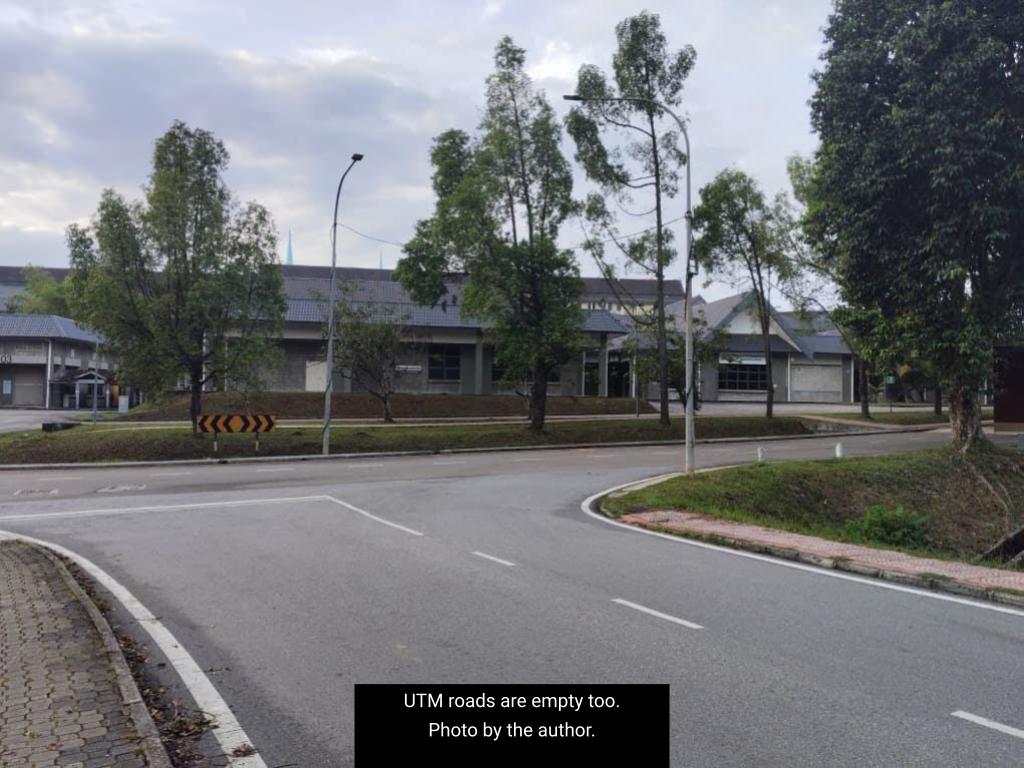
Within civil engineering, many laboratory-based activities are governed by material behaviour and time-dependent processes. In concrete technology, for example, the sequence from batching and mixing to curing and eventual testing follows a strict timeline influenced by hydration kinetics and environmental conditions. The removal of formwork, or de-moulding, must be carried out within a defined window to ensure structural integrity and data reliability. Any deviation, whether due to restricted access to facilities or limited operating hours, may compromise the experimental outcome.
As a result, academic staff and postgraduate researchers are now required to engage in more detailed planning of laboratory work. Experimental schedules must be aligned with access windows, and contingencies need to be considered more carefully than before. In practical terms, this has led to a more deliberate use of laboratory time, where each session is structured to maximise data collection while minimising idle operation of equipment.
This shift can be understood as a form of constraint-driven optimisation. While the available resources and access time have been reduced, the efficiency of utilisation has, in many cases, improved. Researchers are encouraged to refine their experimental design, reduce redundancy, and prioritise critical measurements. In doing so, the limitations imposed by the current situation are gradually being translated into a more disciplined approach to engineering practice.
A similar pattern can be observed in student learning behaviour. With access to facilities being more concentrated, spaces such as PSZ have become focal points for academic activity. Rather than dispersing across multiple locations, students are now working within shared environments that support both independent study and informal collaboration. While this differs from the traditional use of campus space, it continues to provide the necessary infrastructure for learning to take place.
At a broader level, the adjustments implemented at UTM reflect a shift towards operational resilience. In engineering terms, resilience is not defined by the absence of disturbance, but by the ability of a system to maintain its function under changing conditions. The current measures demonstrate that, even with reduced physical utilisation of campus infrastructure, the core functions of teaching, learning, and research can be sustained through appropriate reconfiguration.
It is also worth noting that these changes are not purely reactive. They align with longer-term considerations on sustainability and resource management within higher education. The ability to monitor, regulate, and optimise energy usage is increasingly becoming an integral part of campus planning. In this context, the present situation may be seen as an accelerated transition towards more efficient operational models.
In conclusion, while the campus environment may appear quieter than usual, the underlying academic and research activities remain active. The difference lies in how these activities are organised and executed. Through a combination of system-level adjustments and individual adaptation, UTM continues to operate within a more constrained, yet more deliberately managed, framework.
The work, in essence, has not diminished. It has simply been recalibrated.
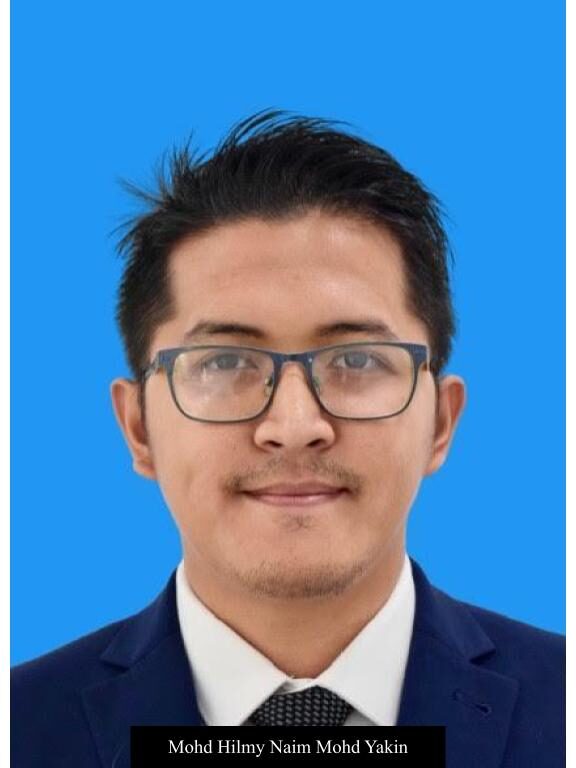
Ir. Ts. Dr. Mohd Hilmy Naim Mohd Yakin is a Senior Lecturer at the Department of Structure & Materials, Faculty of Civil Engineering, Universiti Teknologi Malaysia
About The Author