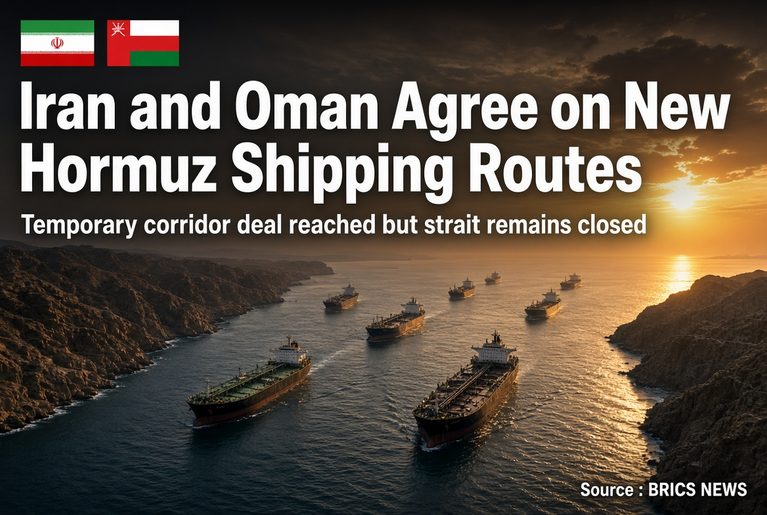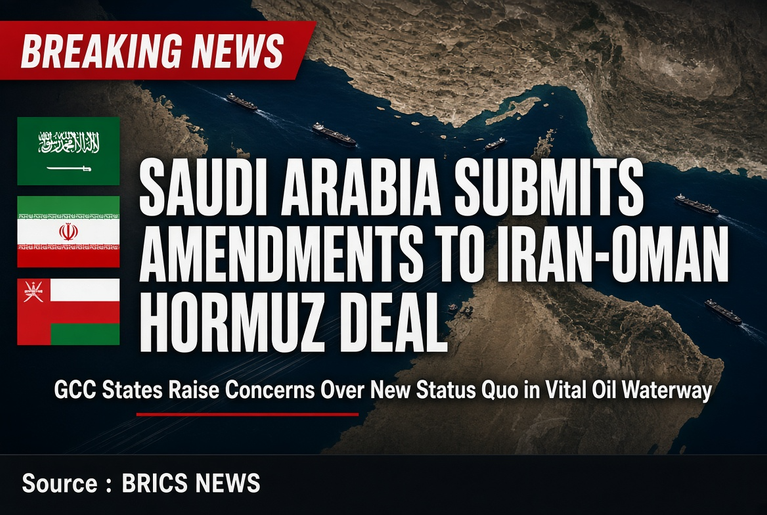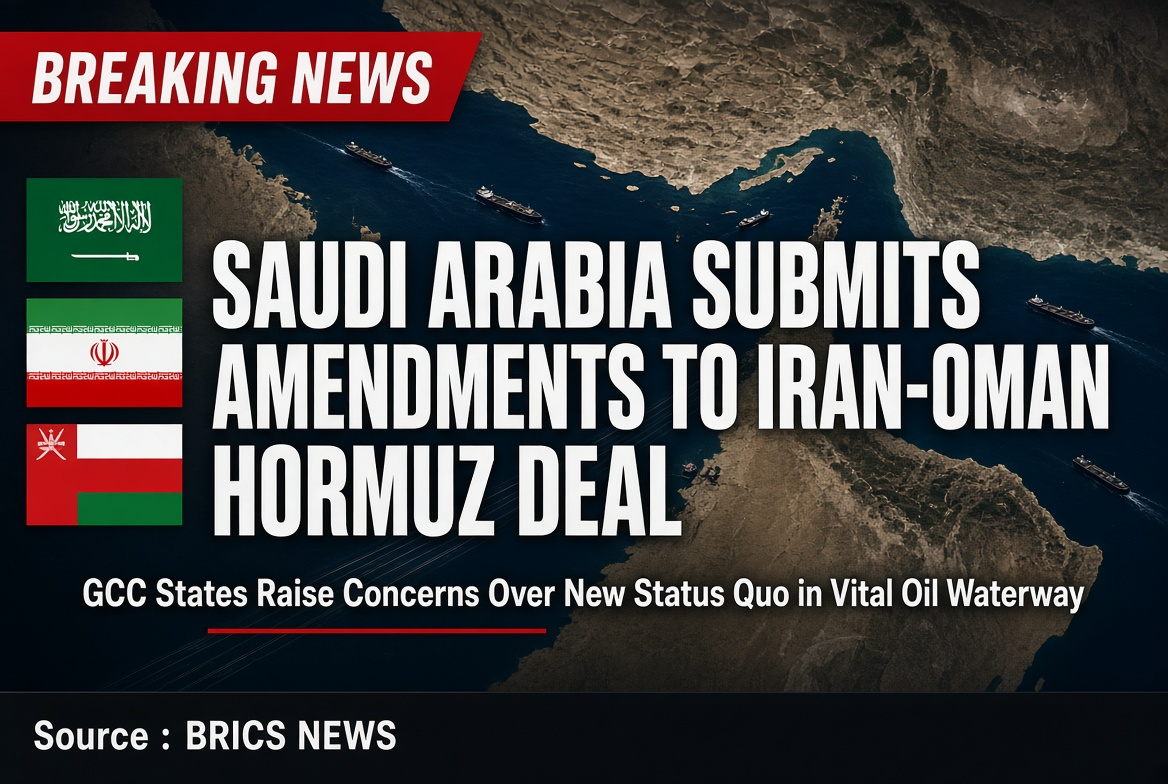
JEDDAH Sept 13, 2026 – Saudi Arabia has submitted amendments to a joint proposal by Iran and Oman for managing shipping lanes in the Strait of Hormuz, according to reports citing Gulf and U.S. officials. The move delayed a planned regional meeting and underscores Gulf Cooperation Council (GCC) efforts to avoid arrangements that could give Iran lasting dominance over the vital oil transit waterway.
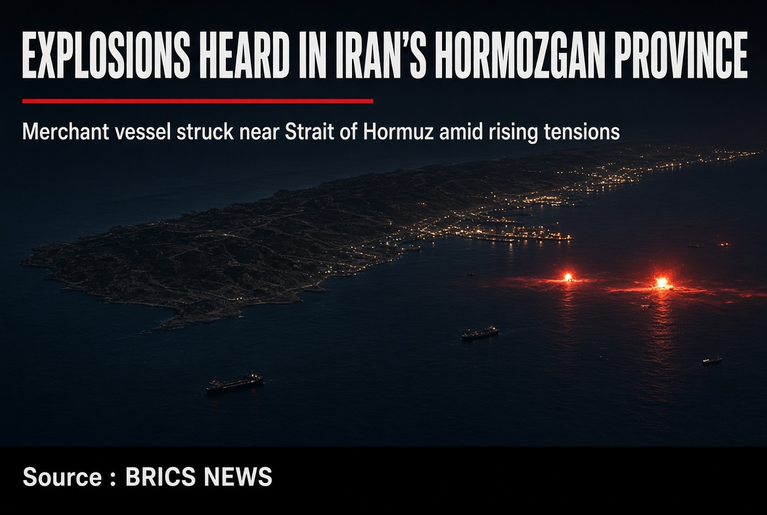
The Strait of Hormuz, through which a significant portion of the world’s seaborne oil passes, has been a flashpoint since the start of the current conflict. Iran and Oman, the two states bordering the strait, have been negotiating new inbound and outbound routes along with mechanisms for navigation services.
Oman put forward a framework that received backing from other Gulf states. It envisioned voluntary contributions for navigational safety, environmental protection, and search-and-rescue operations, drawing on the model used in the Strait of Malacca. Iran, however, has sought greater operational control, including an entry route lying entirely within its territorial waters and part of the exit route also passing through Iranian waters.
Axios correspondent Barak Ravid reported that Riyadh amended the proposal because the original language risked locking in a new status quo unacceptable to Saudi Arabia and other GCC members. Officials have long rejected mandatory tolls that could raise costs for exporters and create an unfavorable long-term arrangement. There is, however, openness to voluntary payments tied to specific services rather than transit rights.
The amendments contributed to the postponement of a meeting that had been scheduled for Monday in Salalah, Oman. Omani Foreign Minister Badr Albusaidi announced the delay “in the interests of consensus,” while Iranian officials said the decision was made jointly at the request of some regional countries. Bahrain had already indicated it would not attend.
Iranian Foreign Minister Abbas Araghchi had described the gathering as focused on presenting maps and a joint statement on the new maritime corridor, which would later be submitted to the International Maritime Organization. He emphasized that the Iran-Oman understanding does not itself reopen the strait; full resumption of traffic remains tied to broader political conditions.
The episode highlights persistent differences among the coastal and Gulf states over sovereignty, fees, and control of one of the world’s most important energy chokepoints. Further consultations are expected once a new date is set.
About The Author