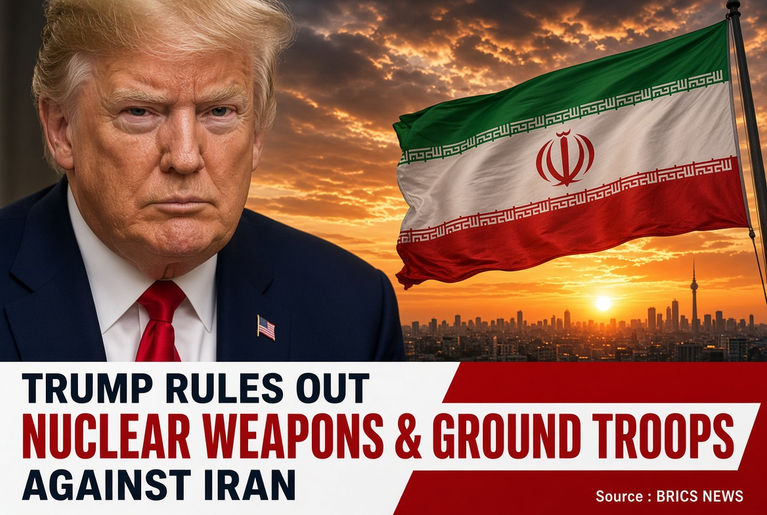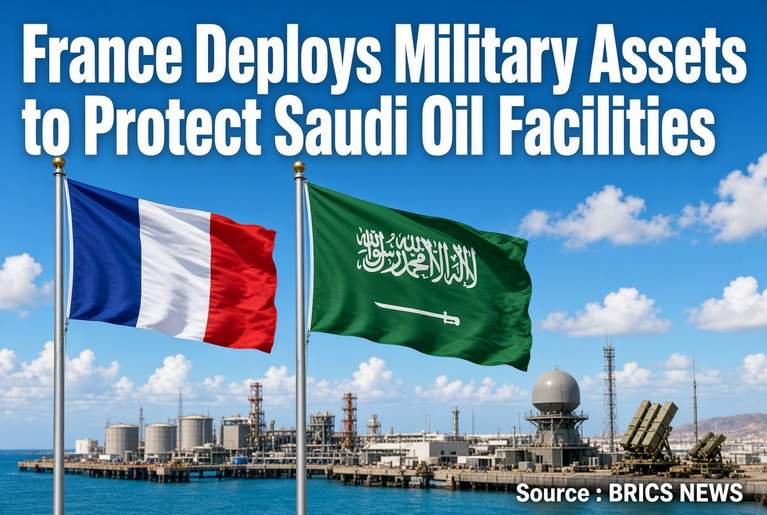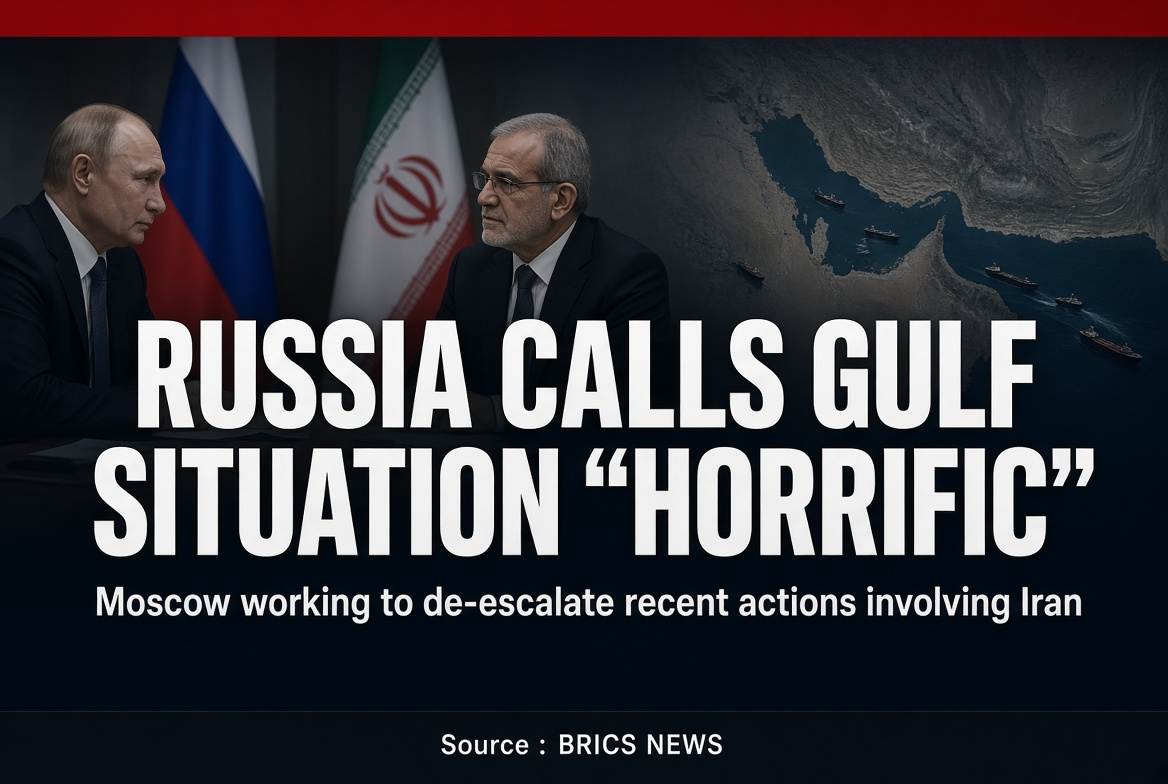
MOSCOW Sept 2, 2026 – Moscow described developments in the Persian Gulf as “horrific” on Wednesday and said it is trying to de-escalate recent military actions involving Iran, according to a report from BRICS News.
The comment landed hours after a fresh exchange of strikes. On Tuesday, U.S. forces hit Iranian military targets around the Strait of Hormuz, including radars and sites linked to mining and rocket activity. Iran responded with attacks on U.S. and allied facilities in the region. Oil prices jumped as shipping through the vital waterway remained heavily disrupted.
The conflict is now in its seventh month. It began with U.S. and Israeli strikes on Iran in late February. A June memorandum of understanding briefly paused large-scale fighting and was meant to restore traffic through the Strait of Hormuz, which normally carries about a fifth of the world’s seaborne oil. The deal quickly unraveled. Iran has kept a chokehold on the waterway; Washington has reimposed a naval blockade on Iranian ports and continued limited strikes. Civilian infrastructure in both Iran and neighboring Gulf states has been hit.
Russia occupies an awkward middle position. It has supplied Iran with intelligence, goods, and other support during the war and reaffirmed that partnership when President Vladimir Putin met Iranian President Masoud Pezeshkian on the sidelines of the Shanghai Cooperation Organisation summit in Bishkek on September 1. Putin said Moscow was providing “the necessary support” and “goods that you need.” Pezeshkian thanked Russia for its stance.
At the same time, Moscow has repeatedly called for de-escalation and restraint. Gulf Arab states—Saudi Arabia, the UAE, Qatar, Kuwait, Bahrain, and Oman—are important economic and diplomatic partners for Russia. Iranian retaliatory strikes have repeatedly struck their territory and infrastructure. Russian officials have condemned attacks on civilian sites on both sides of the Gulf and warned that a wider war would damage global energy and food security.
The latest flare-up follows a relatively quiet period in July and August. Traffic through Hormuz had already fallen sharply compared with pre-war levels. Insurers remain wary, major carriers have rerouted, and any new attacks on tankers quickly move markets. Russia has benefited from higher oil prices caused by the disruption, but officials have also warned that lasting damage to regional energy infrastructure would carry broader risks.
Russian diplomats have circulated updated proposals for a collective security arrangement in the Persian Gulf that would include non-aggression pledges and military transparency. So far those ideas have not produced a breakthrough. Moscow says it is ready to support mediation if asked, while insisting the root of the crisis was the original U.S.-Israeli campaign against Iran.
No immediate comment from Washington or Tehran specifically addressing the latest Russian wording was available. Both sides continue to accuse the other of violating the collapsed June understanding and of threatening civilian shipping and infrastructure.
The situation remains volatile. Limited strikes have become the pattern rather than a return to the intense early weeks of the war, but each new round raises the chance of miscalculation that could close the strait more completely or draw additional countries deeper into the fighting.
About The Author