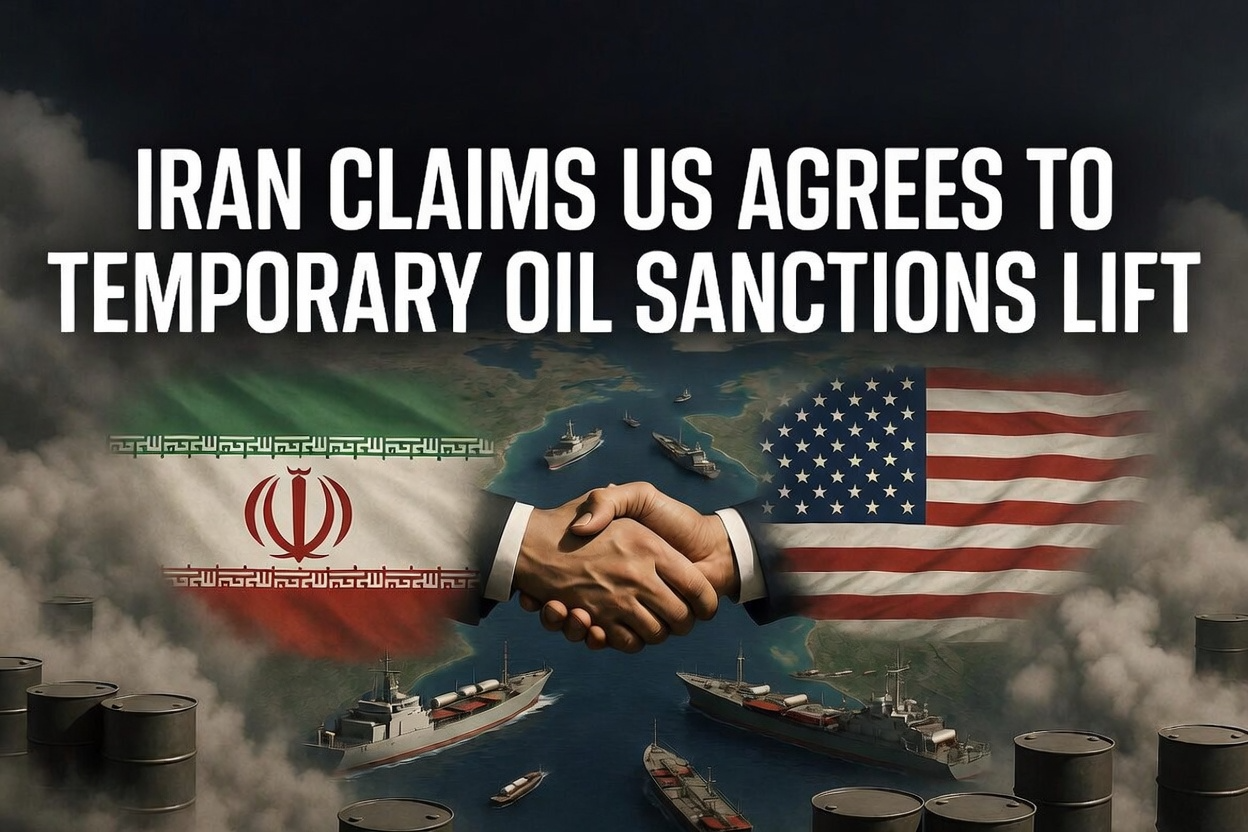
TEHRAN June 14, 2026 — Iranian state media and officials report that Washington has committed in a draft 14-point memorandum of understanding (MOU) to temporarily suspend oil sanctions on Iran, allowing Tehran to resume oil exports and access revenues as part of efforts to de-escalate tensions and reopen the Strait of Hormuz.
According to Mehr News Agency and a senior Iranian official speaking to Reuters, the proposed interim agreement includes:
- U.S. commitments: Temporary waiver on oil and petrochemical sanctions, enabling Iran to sell crude and collect full revenues; lifting of the naval blockade on Iranian ports; release of at least half of Iran’s frozen assets; and no new sanctions during a 60-day negotiation window.
- Iranian commitments: Reopening the Strait of Hormuz to commercial shipping within 30 days under Iranian arrangements; a pledge not to produce or acquire nuclear weapons; and cooperation on broader nuclear and regional issues.
The MOU would serve as a 60-day bridge to final negotiations covering full sanctions relief, the fate of Iran’s enriched uranium stockpile, economic reconstruction, and other disputes. Final talks would reportedly begin only after initial steps like asset releases and blockade suspension.
This development follows months of heightened conflict, including U.S.-Israeli actions, Iranian retaliation, a Hormuz blockade, and naval confrontations that disrupted global oil flows. The strait, through which about one-fifth of global oil passes, has been a flashpoint.
Oil markets have reacted sensitively to the reports, with Brent and WTI crude dipping on expectations of increased Iranian supply. Traders note that verified implementation could ease near-term price pressures but warn of volatility given the interim nature of the deal.
U.S. officials have pushed back on some Iranian characterizations, framing any relief as “performance-based” and contingent on verifiable steps, with President Trump previously emphasizing no immediate cash transfers or full sanctions lift without concrete nuclear concessions. Some reports indicate ongoing differences over timing, asset releases, and reconstruction aid (potentially up to $300 billion in one Iranian outline).
Skeptics on both sides highlight past breakdowns, with critics in Iran viewing it as insufficient and hawks in the U.S. cautioning against early concessions. Pakistan has reportedly helped mediate, while final signing details remain fluid.
If implemented, the deal could boost Iranian oil exports by hundreds of thousands of barrels per day, providing Tehran economic breathing room while lowering global energy prices in the short term. However, analysts stress it is not a comprehensive peace or nuclear accord—core issues like enrichment limits and long-term sanctions relief remain for the 60-day window.
This story is developing, with no full confirmation from U.S. authorities as of this reporting. Markets and diplomats are watching closely for any official announcements or implementation steps on the Hormuz reopening.
About The Author