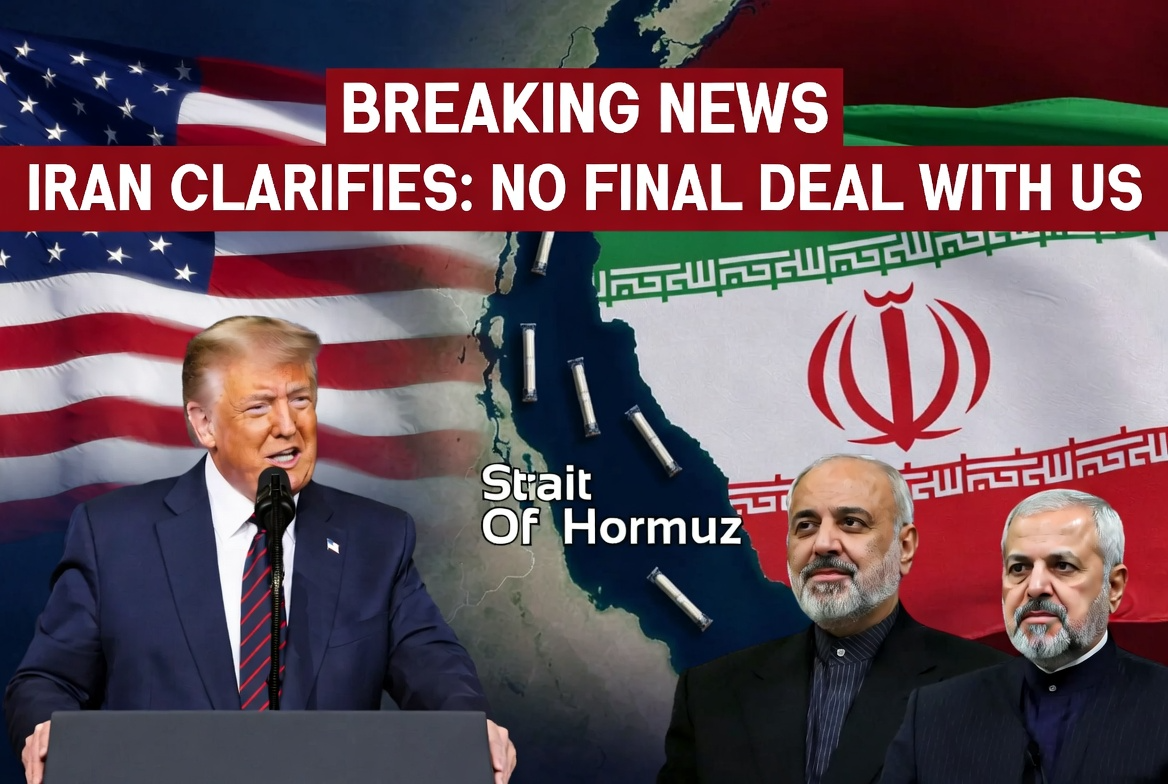
TEHRAN June 11, 2026 — Iranian officials pushed back Thursday against U.S. President Donald Trump’s assertion of a finalized deal to extend the fragile ceasefire in the ongoing conflict, stating that negotiations remain incomplete and no binding agreement has been approved.
The statement from Tehran comes hours after Trump announced progress toward a “great settlement,” claiming it was subject to finalization of documents and could be signed soon. He also canceled planned additional strikes on Iran, citing advancing talks.
According to Iranian state media and sources close to the negotiating team, the proposed memorandum of understanding has not yet been finalized. Key elements under discussion include:
- A 60-day extension of the current ceasefire.
- Reopening the Strait of Hormuz to international shipping, including clearing mines within 30 days.
- Phased permissions for Iranian oil exports alongside potential sanctions relief.
- Continued indirect talks on Iran’s nuclear program over the 60-day period.
- A broader ceasefire across multiple fronts.
Iranian caveats emphasize internal reviews, the need for alignment with regional allies, and deep-seated distrust after months of violations and skirmishes. State outlets like Tasnim described Trump’s latest claims as part of a pattern of repeated announcements of imminent deals that have not materialized.
The U.S.-Iran conflict escalated earlier in 2026, with direct strikes, Iranian restrictions in the Strait of Hormuz (a critical chokepoint for global oil flows), and involvement of regional actors including Israel. A temporary two-week ceasefire was announced in April and later extended indefinitely by the U.S., but sporadic violations have persisted.
Markets reacted sharply to the mixed signals: oil prices fluctuated on hopes of reopened shipping lanes, while broader equities saw gains on reduced immediate escalation fears.
Israeli officials separately indicated they were unaware of any finalized agreement, underscoring the complexity of multilateral dynamics.
Analysts describe the situation as a high-stakes waiting game. Progress on core issues like nuclear safeguards, sanctions relief, and freedom of navigation remains elusive amid mutual accusations of bad faith.
U.S. officials have stressed that any deal must prevent Iran from developing nuclear weapons and ensure unrestricted maritime traffic, while Tehran insists on verifiable actions rather than promises.
The coming days will prove decisive as both sides navigate domestic pressures and regional alliances. Further updates are expected from indirect talks, potentially mediated through third parties.
This is a developing story.
About The Author