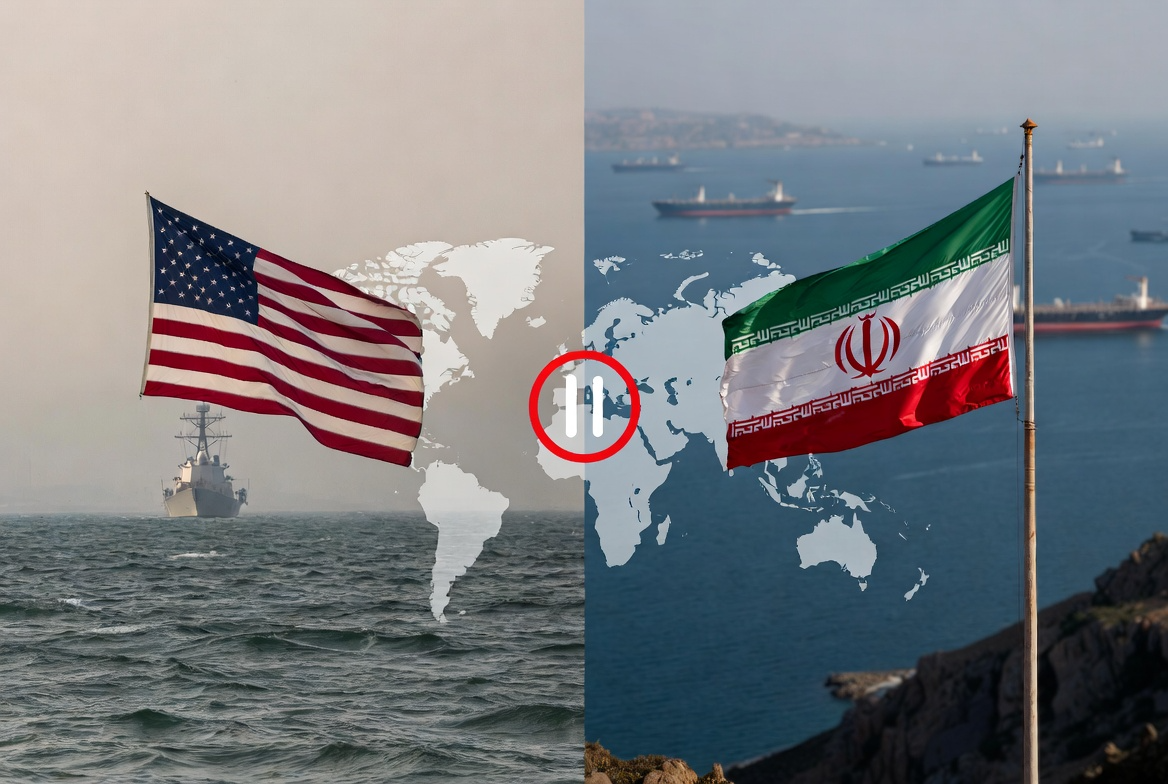
WASHINGTON D.C July 26, 2026 — The United States has paused its nearly two-week bombing campaign against Iran after a top military commander informed President Donald Trump that the strikes focused on targets around the Strait of Hormuz had reached the limits of their effectiveness, according to a report by Axios.
U.S. Central Command (CENTCOM) Commander Adm. Brad Cooper recommended halting the limited airstrikes, sources told Axios. Cooper assessed that two weeks of daily operations had significantly degraded Iran’s ability to target commercial and military vessels in the strategic waterway but that most designated targets had already been exhausted. Continuing the current level of attacks would serve little purpose without escalating to major combat operations, the commander reportedly advised.
The pause began late Friday after Trump declined to approve the military’s daily strike plan—the first time in 13 consecutive nights that he withheld authorization. Trump had previously green-lit operations each afternoon, with strikes executed within hours.
The decision also coincided with diplomatic progress. An Omani delegation arrived in Tehran on Friday for talks aimed at a new arrangement to reopen the Strait of Hormuz, a critical global oil transit route that has been heavily disrupted during the conflict. Regional sources indicated the negotiations have advanced and that an agreement between Oman and Iran could potentially be finalized soon.
Speaking at the White House, Trump emphasized that the U.S. retains the option to resume or expand the campaign, including strikes that could “destroy everything Iran has.” He described making a deal as the “smarter strategy,” noting ongoing talks with Iranian counterparts. “We’re talking to the Iranians right now. I think they’re getting more serious every day,” he said.
Iran has responded in kind. Iranian military officials stated that Tehran has suspended its own retaliatory attacks on U.S. targets and regional allies as long as the American pause continues, citing a reciprocal strategy. No U.S. or Iranian strikes were reported over the weekend.
U.S. Ambassador to the United Nations Mike Waltz said the pause is intended to give diplomacy “some space,” while stressing that all military options remain on the table. Concerns over dwindling stocks of air-defense interceptors have also been cited by some officials as a factor limiting further escalation.
The conflict, which intensified after earlier agreements broke down, has centered on control of the Strait of Hormuz and broader regional security. As of Sunday evening, the mutual pause was holding into a second day, with mediators continuing efforts to revive negotiations.
About The Author