By Sayed Mohammad Reza Yamani Sayed Umar
An older society is quickly becoming the norm in Malaysia. The Department of Statistics Malaysia (DOSM) projects that by 2025, 8.0% of the population will be 65 and older, and that this number will only grow in the decades to come. Because an increasing proportion of older people are financially vulnerable owing to inadequate retirement savings, this demographic transition has major ramifications for income security in old age.
To combat or alleviate their poverty, a large number of elderly Malaysians work in informal or part-time jobs. Setting the issue of part-time employment among older people in Malaysia within the broader context of social protection and ageing, this article explores its origins, characteristics, and consequences.
Inadequate retirement income is a major factor that motivates older adults to work part-time. A significant number of retirees in Malaysia do not have enough money in savings to cover their living costs after they stop working. This is especially prevalent among those who have worked in the informal economy in the past, when EPF payments were irregular or nonexistent, such as those in self-employment, small-scale enterprises, or agriculture.
Due to extended life expectancy and rising living expenses, even among formal-sector workers, EPF savings are generally withdrawn in lump sums at retirement. This means that these assets may be spent within a very short time. Because of this, many seniors lack a safety net and have to keep working to make ends meet.
The high cost of living in Malaysia is another major factor that strains older people’s finances. Prices for food, utilities, transit, and healthcare, among other essentials, have risen steadily over the years. Because many people have chronic diseases that need long-term treatment as they age, healthcare expenditures are of utmost importance to older persons.
As of 2024, the DOSM estimates that the relative poverty line income in Malaysia is about RM3,509 per month, meaning that families earning less than this amount are categorised as poor. When breadwinners are in their twilight years, many homes led by an older person find themselves below or near this threshold. To make ends meet when wages are low, working part-time becomes an important coping method.
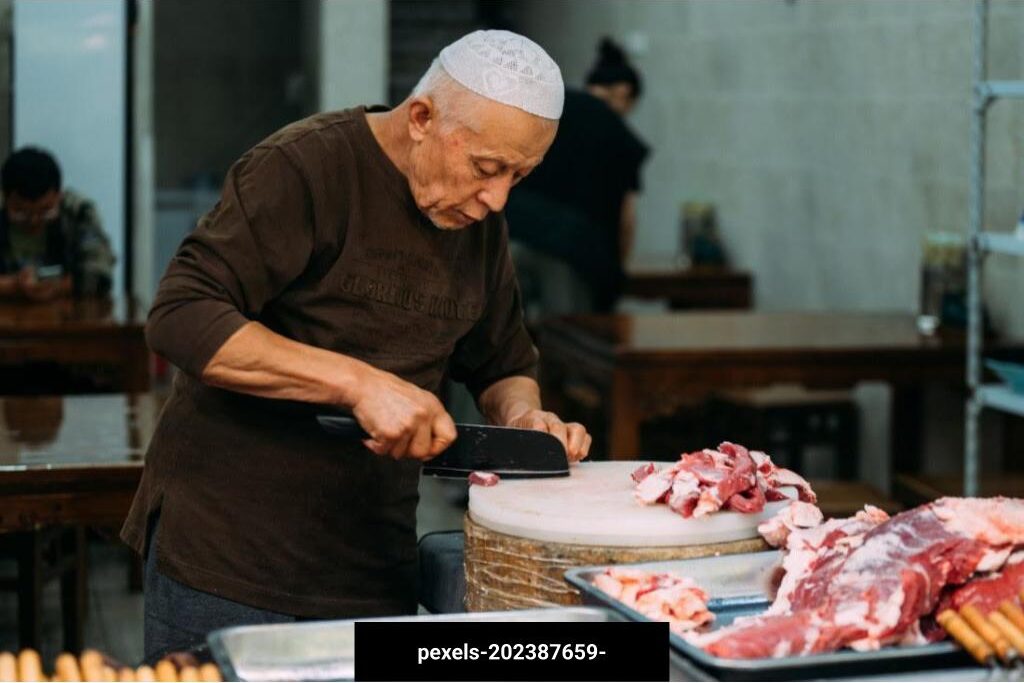
Most people over 65 in Malaysia work in low-skilled, unpredictable jobs. Informal caregiving, security guarding, night market dealing, food stalls, and small-scale vending are common examples. These positions are highly sought after for their low formal qualification requirements, flexible work schedules, and lack of long-term contractual commitments.
Older people in cities often take on informal service and retail jobs, whereas in rural areas they may continue working on plantations or small farms. Even though the pay is low, older people may use the money from these jobs to cover their basic living costs.
As family-based financial support systems deteriorate, it becomes more vital for older people to participate in part-time employment. Children in Malaysia have always played an important role in providing for their parents, both financially and in terms of housing and healthcare. But as more and more young people move to cities, have fewer families, and face higher living expenses, this system is losing its reliability. It is becoming more difficult for adult children to be a reliable source of support for their parents, as many now live-in large cities far from their parents. Younger families also have a harder time regularly helping their parents financially because of expenses such as mortgages, day-care, and school. Therefore, senior citizens are seeking steady employment rather than unreliable family assistance to supplement their income.
For reasons related to their mental health and social connections, as well as financial ones, some people in their twilight years choose to keep working. Having a job may provide one with a sense of autonomy, respect, and meaning in life. Some seniors would rather be financially independent and not depend on their offspring or the government for everything.
One way in which working helps combat the epidemics of isolation and loneliness that disproportionately affect older people is by providing them with chances to engage with others. So, working part-time is good for your mental health as it’s both an economic activity and a social activity.
Employing people in their twilight years is not without its hazards, however. There is a severe absence of safety nets, benefits, and legal protections for older people who labour in the informal economy. Physical work, particularly for the elderly or those with mobility issues, health problems, or both, may be challenging. Because they have less leverage in negotiations, senior people may be subjected to exploitative or hazardous working circumstances. Earnings from part-time jobs are also notoriously unpredictable and highly dependent on demand, making them an ill-suited long-term investment.
The growing reliance on part-time employment among older people is indicative of systemic problems in Malaysia’s social safety net. Bantuan Warga Emas (BWE) and similar programs do provide eligible seniors with monthly financial assistance, but both the coverage and the amount of support remain rather limited. Consequently, addressing poverty among older people is often not possible solely through social aid. Adding insult to injury, the working-age population and national welfare institutions in Malaysia are already feeling the strain of an increasingly dependent elderly population.
Finally, limited retirement funds, increasing living expenses, and dwindling family support networks are the main drivers of part-time employment among Malaysia’s elderly. Though working part-time helps the elderly cover basic living expenses, it also highlights systemic problems with social safety net coverage and pension adequacy. The country’s reliance on informal work among older people is expected to grow as the population ages, unless drastic changes are made.
A more dignified and financially secure retirement for Malaysia’s aged, free from the constraints of need, can only be achieved via the strengthening of retirement savings systems, the expansion of social assistance, and the creation of more age-friendly work options.

The author is a Research Fellow at the Ungku Aziz Centre for Development Studies (UAC), Universiti Malaya and a part-time lecturer at Azman Hashim International Business School (AHIBS) UTM
About The Author