By Professor Dato Dr Ahmad Ibrahim
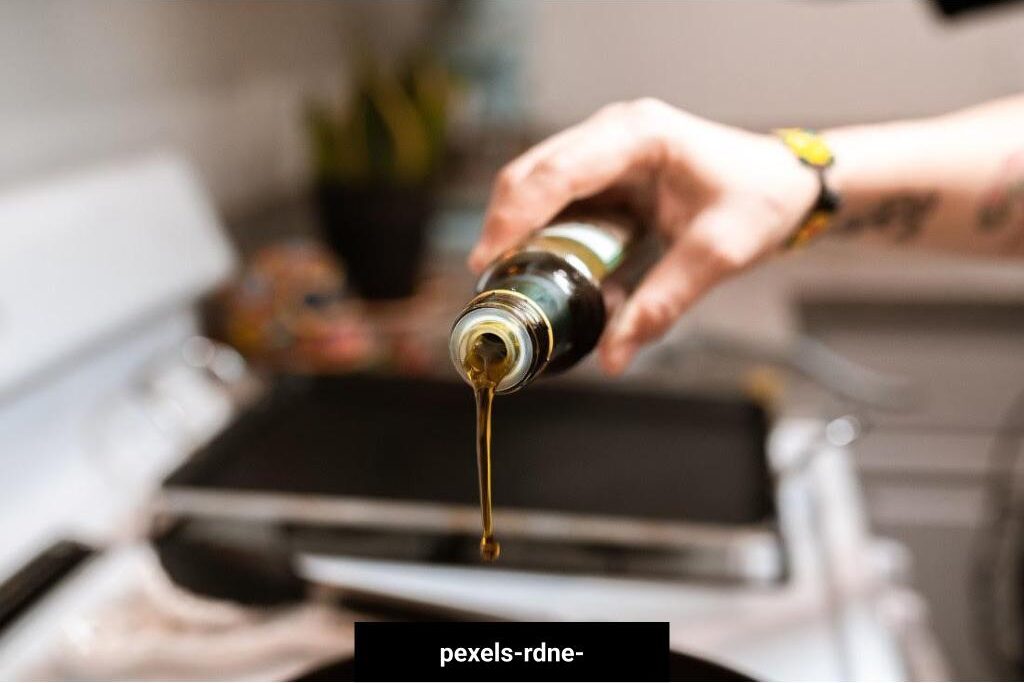
The global edible oils market—worth over hundreds of billion dollars and rising—is no longer a quiet commodity trade. It’s a geopolitical chessboard, a environmental battleground, and a test of which agribusiness giants can outmaneuver the others as the world’s appetite for cooking oil grows insatiably.
Demand is soaring, driven by population growth in Asia and Africa, rising middle-class consumption, and the vexing reality that vegetable oils are now embedded in everything from fried chicken to biodiesel. By 2030, it is widely predicted that demand could outstrip supply by millions of metric tons. So, how are the contenders—palm, soybean, canola, sunflower, and emerging niche oils—jockeying for position? And what are the real issues shaping this war?
Palm oil remains the undisputed king. Nearly 60% of all globally traded vegetable oil comes from the oil palm, and for good reason: it’s staggeringly efficient. Palm yields 3–4 tons of oil per hectare, compared to soybean’s paltry 0.4 tons. That efficiency keeps prices low, making palm the default choice for processed foods, cosmetics, and, increasingly, biofuels.
Soy oil is the number two, and its strength lies in being a co-product. Every ton of soy meal protein yields about 180 kg of oil. As global meat consumption rises, soy crushing expands almost automatically, flooding the market with oil whether we need it or not. That makes soy oil a kind of inevitable competitor—especially in the Americas and China.
But soy oil has its own headaches. The vast monocultures of Brazil, Argentina, and the U.S. Midwest have made soy a symbol of deforestation, soil degradation, and heavy pesticide use. And unlike palm, soy oil requires hydrogenation for shelf stability, which historically produced trans fats—a health catastrophe that the industry is still rehabilitating from with high-oleic GMO varieties. Still, for biodiesel (especially in the U.S. under the Renewable Fuel Standard), soy oil is a darling. Its future share depends on whether the world decides that animal feed, not frying oil, is its primary purpose.
Then there’s sunflower oil, the plucky underdog that briefly became a geopolitical weapon. When Russia invaded Ukraine in 2022, half the world’s sunflower oil supply vanished overnight. Prices spiked, Indian buyers scrambled for alternatives, and suddenly Turkey—a major producer—became an unexpected kingmaker.
Luxury oils like olive and avocado are growing fast among affluent health-conscious consumers, but they will never feed the masses. Olive oil’s recent price crisis—droughts in Spain and Italy sent costs to record highs—shows how vulnerable premium niches are. Coconut oil, once a trendstar, has been dethroned by debates over saturated fat. These oils compete on branding and wellness narratives, not volume. They skim the top of the market, leaving the bulk battle to the big three. So beyond yields and pricing, what really determines who wins?
Edible oils are now energy commodities. The EU’s Renewable Energy Directive is phasing out food-based biofuels, while Indonesia mandates palm-based biodiesel (B40 heading towards B50). The U.S. oscillates on soy biodiesel mandates. Every policy shift redirects millions of tons from kitchens to tanks, distorting prices and creating artificial scarcity. Consumers want green, but not at double the price. Certified sustainable palm costs more to produce, yet buyers won’t pay a premium. Meanwhile, Europe’s regulatory walls are pushing Southeast Asian producers to find new markets in Africa and the Middle East, fragmenting global trade. The result: two-tier markets, not a level playing field.
Palm needs steady rainfall; soy needs predictable seasons; sunflower and olive cannot handle heatwaves. As La Niña and El Niño cycles intensify, yields swing wildly. The 2023 El Niño hit palm production in Indonesia; the 2024 droughts hammered Black Sea sunflowers. The competition is increasingly about which crop can tolerate chaos—and so far, none handle it well.
For decades, we demonized saturated fats (palm, coconut), then praised polyunsaturates (soy, sunflower), then shifted to monounsaturates (canola, olive). Each wave of dietary science changes demand overnight. The next big shift—anti-ultra-processed sentiment—could hurt all refined oils equally, boosting demand for cold-pressed or minimally processed options. The world cannot feed its frying habit without palm oil. It’s too productive. But the industry’s resistance to radical transparency—blockchain tracking, certification, smallholder inclusion—keeps the deforestation narrative alive. Soy will grow because meat consumption grows. And sunflower will remain the tragic hero—essential for some regions, but too vulnerable for global reliance.
The real competition should be between sustainability and short-term profit, but right now, profit is lapping the field. The war for the world’s kitchen isn’t just about market share. It’s about whether we can feed 8 billion people without cooking the planet. Again palm oil stands tall.

The author is affiliated with the Tan Sri Omar Centre for STI Policy Studies at UCSI University and is an Adjunct Professor at the Ungku Aziz Centre for Development Studies, Universiti Malaya.
About The Author