
By Nahrizul Adib Kadri
One of the strangest things about adulthood is how quickly achievements become administration.
You work towards something for months, sometimes years. You imagine how it would feel when it finally arrives. You picture the relief, the satisfaction, perhaps even a moment of celebration. Then it happens. And almost immediately, it becomes work.
I was reminded of this recently while looking back at the past year. Within the span of twelve months, I was promoted to full professor, appointed Principal of Tuanku Bahiyah Residential College, and later became Director of UM Press. Looking at those milestones on paper, they seem significant enough.
Yet if you asked me what I remember most, it is not the announcements. It is the meetings that followed. The budgets. The planning. The student matters. The manuscripts. The deadlines. The emails that somehow continue multiplying despite our best efforts to reduce them.
Mind you, none of this is a complaint. In fact, it is exactly how it should be. Every meaningful responsibility comes attached to actual responsibility. The surprising part is how quickly the mind adapts.
The thing we once wanted arrives, and before we have fully appreciated it, our attention shifts to what comes next.
I came across a quote recently that stayed with me: “Happiness is your current situation minus expectations.” And like most simple formulas, it is probably not entirely accurate. Life is more complicated than that. But there is enough truth in it to make one pause.
Perhaps what reduces our happiness is not that our situation becomes worse. Perhaps it is that our expectations continue moving. And think about how often this happens.
A student spends months preparing for examinations. The results finally arrive. For a brief moment, there is relief. Then the focus turns to university applications.
A young graduate secures their first job. After the excitement settles, attention shifts towards promotion, salary increments, or the next opportunity.
Someone buys their first house after years of saving. Not long after, there are renovation plans, maintenance issues, financing concerns, and thoughts about the next property.
And the pattern repeats itself throughout life: the destination arrives, and almost immediately transforms into a starting point for another journey.
In many ways, this is not a bad thing. Expectations serve a purpose. They motivate us. They encourage effort. They help us direct our next moves. They help us imagine possibilities. Without expectations, many worthwhile things would never be attempted at all.
You see, the problem arises when expectations refuse to retire after doing their job. Instead of helping us reach a destination, they immediately begin pointing towards another one. Before we have had the chance to enjoy what arrived, they are already asking what comes next.
I suspect social media amplifies this tendency. We are constantly exposed to the next achievement, the next milestone, the next upgrade. There is always someone launching a business, completing a doctorate, travelling somewhere interesting, buying something impressive, or announcing a new chapter.
It becomes surprisingly easy to view our own lives through the lens of what is still missing rather than what is already present.
The irony is that many of the things we currently take for granted were once expectations themselves: the position we hold; the family we built; the friendships that endured; the opportunities that became routine.
At some point, we wished for these things. We worked for them. We hoped they would arrive. And then they did. Yet, somewhere along the way, they quietly became, for want of a better word, normal.
Perhaps that is why happiness can sometimes feel elusive. Not because it is absent, but because familiarity makes it harder to notice. So near, yet so far.
The older I get, the less convinced I am that happiness comes from eliminating expectations altogether. That sounds neither realistic nor desirable.
Instead, I wonder whether the real challenge is knowing when to pause them. To let expectations do their work when planning for the future, but not allow them to steal every moment of the present. To recognise when something we once wanted has finally arrived. To stay there for a while. To notice it.
Because achievements will always become administration. Milestones will always become maintenance. Life will always continue moving.
The question is whether we stay long enough to notice what just arrived.
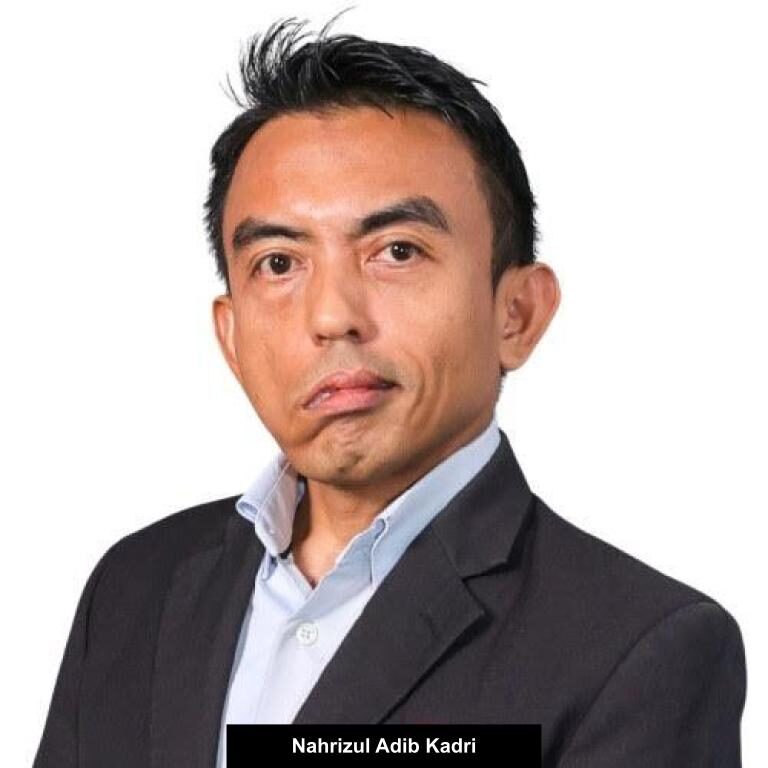
The author is a professor of biomedical engineering at the Faculty of Engineering, the Director of UM Press, and the Principal of Tuanku Bahiyah Residential College, Universiti Malaya.
About The Author