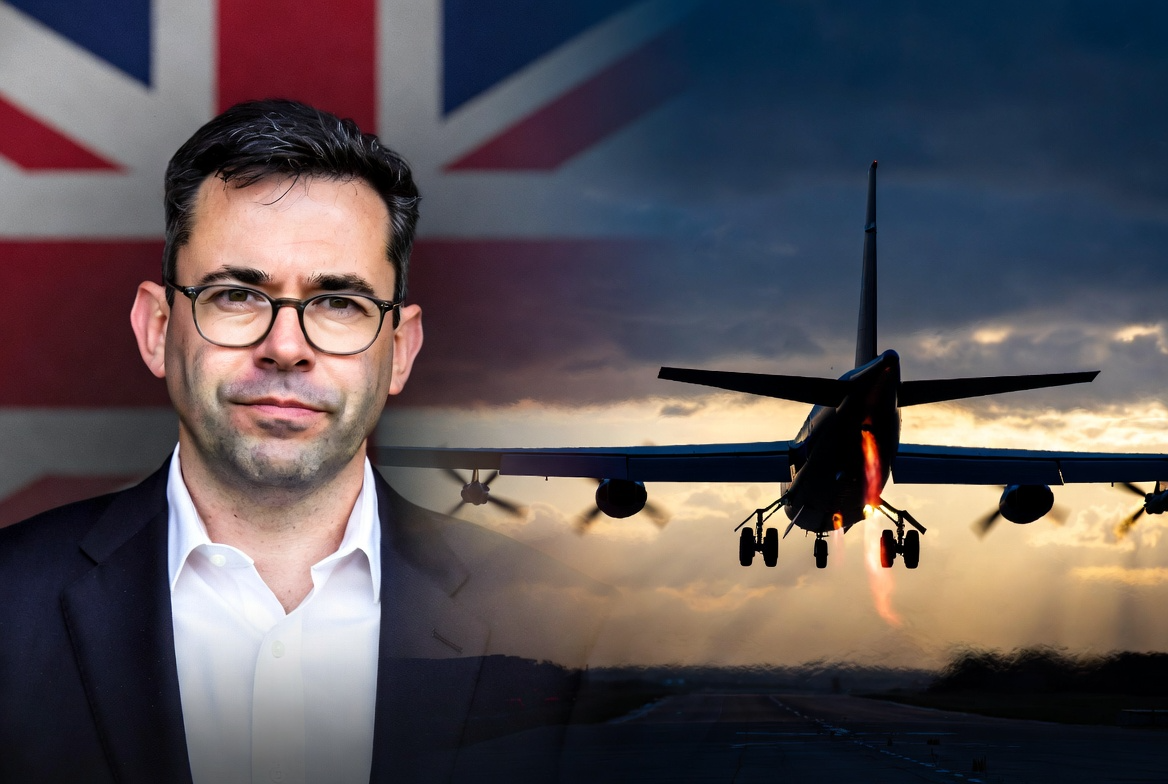
LONDON July 20, 2026 — New UK Prime Minister Andy Burnham has reportedly maintained the previous government’s policy allowing US forces to use British military bases for strikes against Iran, according to multiple reports circulating on social media and international outlets.
The development comes shortly after Burnham took office on July 20, succeeding Keir Starmer as Britain’s seventh prime minister in a decade.
The authorization originates from decisions made by former Prime Minister Keir Starmer in early March 2026. Starmer approved US requests to use UK bases for “specific and limited defensive purposes,” primarily to target Iranian missile storage depots and launchers threatening shipping in the Strait of Hormuz and British interests in the region.
Key bases involved include:
- RAF Fairford in Gloucestershire, England
- The joint UK-US base on Diego Garcia in the Indian Ocean
The UK government has consistently described the operations as defensive and in line with collective self-defense under international law, emphasizing that British forces are not directly participating in offensive strikes on Iranian territory.
Recent reports indicate that Burnham has continued this arrangement amid the ongoing US and Israeli military campaign against Iran. Social media accounts, including @BRICSinfo, highlighted the move as a significant development under the new prime minister.
Fact-checking posts on X have described the claim as accurate, noting that Burnham has preserved US access to the bases for defensive operations against Iranian missile threats.
The policy has drawn mixed reactions. Supporters argue it helps protect vital shipping lanes and British nationals in the Gulf region. Critics warn that allowing foreign forces to launch strikes from UK soil could make British bases legitimate targets for Iranian retaliation and risks further escalating the conflict.
Iranian officials have previously condemned the use of UK bases as “participation in aggression.”
Burnham, who has focused his early premiership on domestic issues like economic revival and devolution, now faces early foreign policy pressure regarding the extent of UK support for US operations in the Middle East.
The situation remains fluid as tensions between the US, Israel, and Iran continue.
About The Author