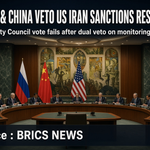
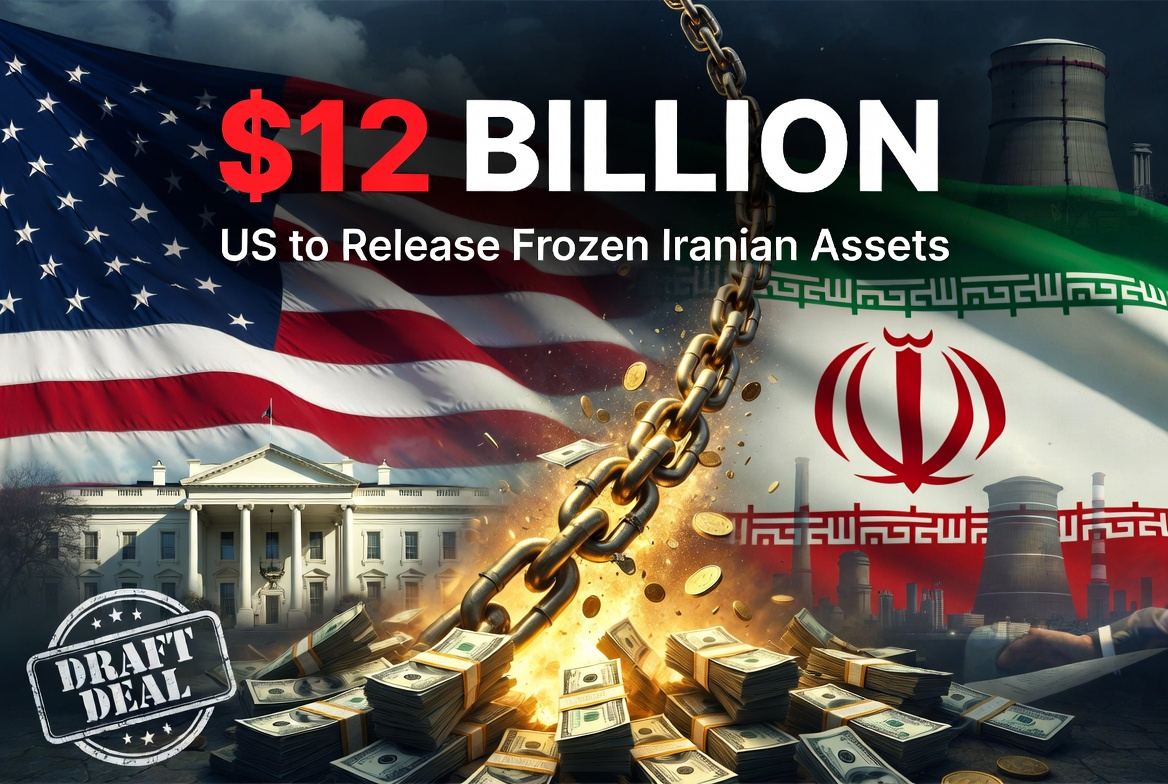
TEHRAN/WASHINGTON June 15, 2026 — Iranian state media has reported that a draft 14-point memorandum of understanding (MoU) between the United States and Iran includes provisions for the release of $12 billion in frozen Iranian assets before formal negotiations begin, as part of a broader package that could unlock up to $24 billion during a 60-day negotiation period.
According to Iran’s Mehr News Agency, citing sources close to the negotiating team, the proposed deal would facilitate the phased release of blocked funds as part of efforts to de-escalate tensions, revive nuclear talks, and secure a cessation of hostilities across multiple fronts, including Lebanon. The agency described the asset release as a key element of the MoU, with the initial $12 billion tranche made available upfront and the remainder tied to the 60-day final negotiation window.
The funds in question are part of Iranian assets frozen abroad, notably in Qatar and other international banks, largely stemming from oil revenues restricted under U.S. sanctions. Earlier reports from May 2026 indicated Iran was demanding immediate access to approximately $12 billion in Qatari-held funds as a precondition for advancing talks.
Context of Negotiations
The reported draft comes amid Pakistan-mediated discussions in Islamabad aimed at formalizing a ceasefire and addressing Iran’s nuclear program, sanctions relief, and regional security issues. Iranian Foreign Minister Seyyed Abbas Araghchi has described the MoU as nearing finalization, framing the asset release as part of a strategic victory for Tehran following recent conflicts.
U.S. President Donald Trump has previously signaled openness to a deal, emphasizing verification mechanisms for Iran’s nuclear activities and contrasting it with the 2015 JCPOA. However, U.S. officials have in the past denied claims of unconditional asset releases, stressing that any unfreezing would be staged and linked to Iranian compliance.
Reactions and Caveats
- Iranian Perspective: Officials and media portray the potential release as a trust-building measure and precondition for broader sanctions relief and reconstruction support.
- U.S. and Allied Views: Skepticism remains high. Critics, including voices in Israel and U.S. congressional circles, warn that large-scale unfreezing could bolster Iran’s military capabilities without sufficient safeguards. Some U.S. sources have pushed back on “no cash upfront” narratives, insisting on strict verification.
- No independent confirmation from U.S. authorities has been issued as of this reporting, and Iranian outlets have noted that a final agreement has not yet been reached.
This development reflects the delicate balance in U.S.-Iran diplomacy: economic incentives for de-escalation weighed against concerns over nuclear proliferation and regional stability. Further updates are expected as talks progress.
This article is based on reports from Iranian state media and international outlets. Claims remain unverified by U.S. officials.
About The Author