By Professor Dato Dr Ahmad Ibrahim
There is worldwide consensus on the need to sustain the global economy. The old economic model is under pressure to change. We’ve long been told the story of progress as a straight line: extract, produce, consume, discard. This linear economic model built our modern world, but a groundbreaking report from Circle Economy pulls no punches in revealing it for what it now is: a systemic threat to both planetary stability and economic resilience. The findings are a stark indictment of a “take-make-dispose” system that is not just ecologically reckless, but financially myopic.
The ecological catastrophes are the visible symptoms—the plastic choking our oceans, the degraded soils, the poisoned air. As the report underscores, this model treats infinite resources as a given and infinite waste sinks as a right, sacrificing the very ecosystem services our economies are built upon. The plastic soup is not an anomaly; it’s the logical endpoint of a single-use mentality.
However, it’s the economic diagnosis that should send shivers down the spine of every CEO, investor, and policymaker. Circle Economy’s analysis reveals a system riddled with profound vulnerabilities: One concerns the rollercoaster of raw materials: We’ve entered an era of extreme price volatility. Since 2006, raw material prices haven’t just risen—they’ve become wildly unpredictable.
This isn’t just a cost issue; it’s a strategic paralysis. How can a business plan, invest, or compete globally when it can’t forecast the cost of its foundational inputs? The linear model, with its hunger for virgin resources, leaves companies permanently exposed to these shocks.
Next is about betting the future on critical stuff: Our high-tech wizardry—from smartphones to electric vehicles—is built on a house of cards made of scarce, “critical” materials like indium and cobalt. The linear economy guzzles these finite resources in products designed for the dump, locking entire industries into a desperate, geopolitically charged scramble for the last crumbs. It’s the opposite of supply chain security; it’s supply chain roulette.
Not to forget the domino effect of interdependence: Globalization has woven a hyper-connected web of resource dependencies. A drought in one region doesn’t just affect grain prices; it ricochets through the system, impacting energy, metals, and manufactured goods. The linear economy, with its relentless demand for virgin everything, tightens these stress points. A shortage or conflict anywhere can trigger cascading failures everywhere.
And of course the unsustainable demand engine: Just as supply risks peak, the linear model is aggressively stomping on the demand accelerator. With three billion more middle-class consumers by 2030 and products designed for ever-shorter lifespans, we are fueling a consumption explosion with a dwindling fuel supply. This isn’t growth; it’s a bubble, and the report makes clear it’s poised to burst.
The Circle Economy report ultimately frames this not as an environmental problem with an economic component, but as a fundamental economic design flaw. The linear economy externalizes its true costs—to the environment, to future generations, and to market stability. It mistakes resource depletion for efficiency and treats resilience as an afterthought. The article’s conclusion is inescapable: clinging to the linear model is the greatest risk of all.
The circular economy—built on principles of designing out waste, keeping materials in use, and regenerating natural systems—is no longer a “green ideal.” It is the blueprint for decoupling growth from resource extraction, insulating economies from volatility, and building durable competitive advantage. The report isn’t just a warning; it’s a financial brief for necessity. The transition to a circular model is the only prudent business strategy left. The linear economy’s bill has come due, and as Circle Economy makes devastatingly clear, we can’t afford to pay it. This explains why the world is actively transitioning away from the linear economic model.
However, not unlike the transition away from fossil fuels, there will be casualties. But the world has no choice if sustainable development remains a critical global agenda. A key player is the government. New rules of business and procurement will have to be enacted.
The industry must play its part by embracing new business models including the likes of EPR, Product-as-a-service, and digital product passport, just to name some. But more important, consumers must be coaxed to join this new game of the economy. The planet is waiting.
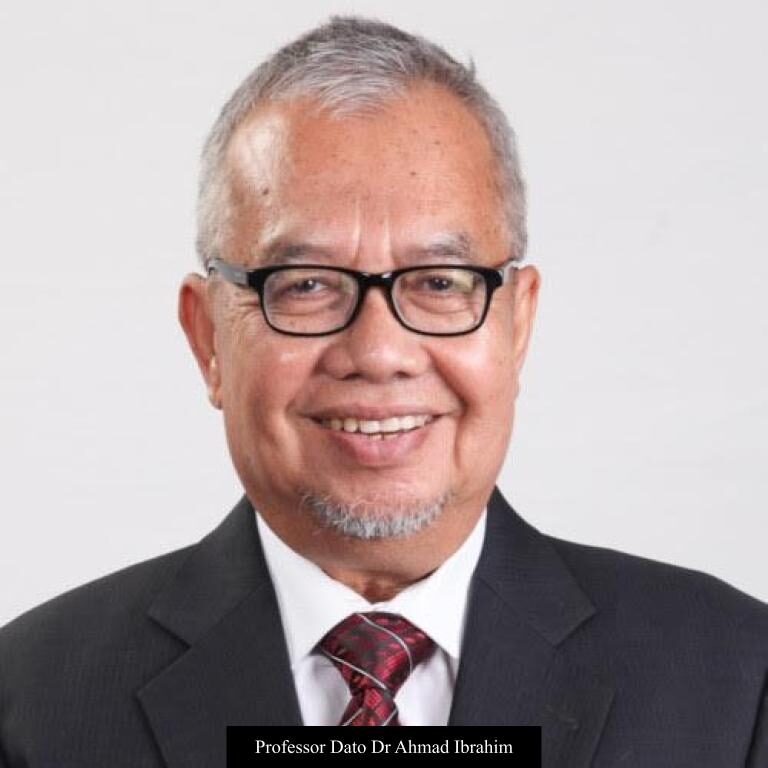
The author is affiliated with the Tan Sri Omar Centre for STI Policy Studies at UCSI University and is an Adjunct Professor at the Ungku Aziz Centre for Development Studies, Universiti Malaya.
About The Author