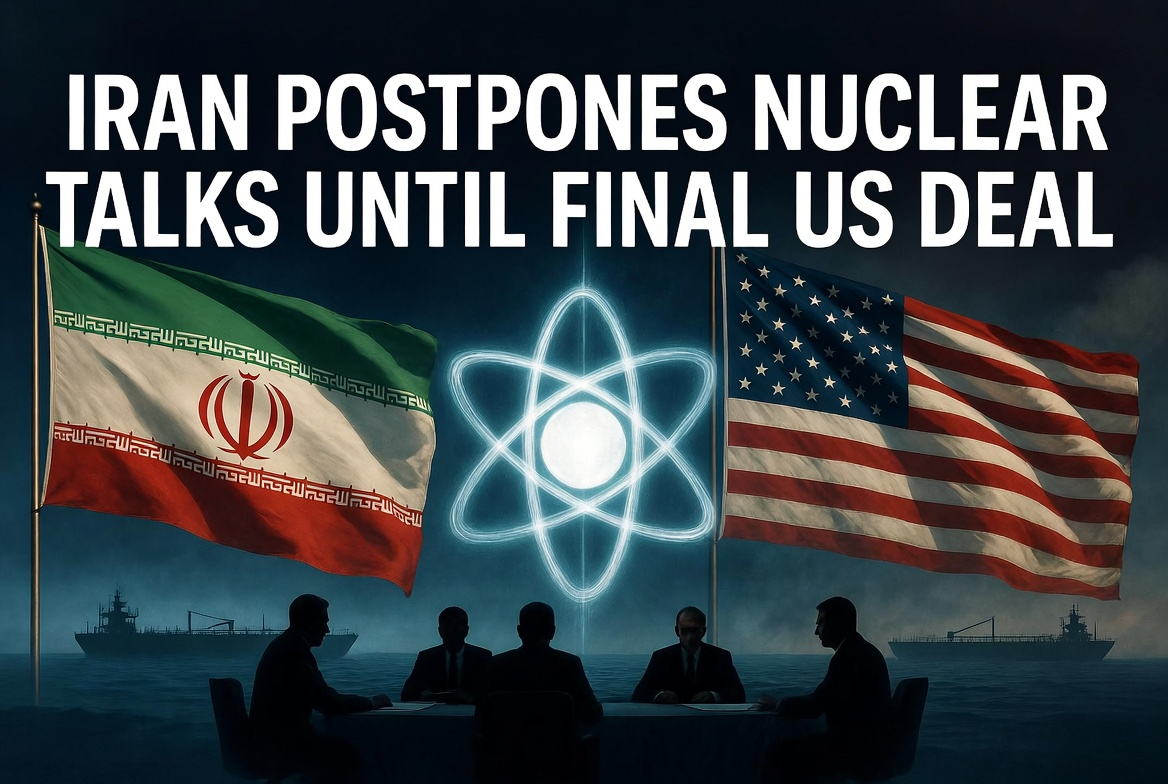
TEHRAN, June 13, 2026 — Iranian Foreign Minister Abbas Araghchi announced that decisions on Iran’s nuclear program, including uranium enrichment levels and the lifting of sanctions, will be deferred until a comprehensive final agreement is reached with the United States.
The statement, delivered amid ongoing diplomatic efforts to stabilize the region following months of conflict, signals Tehran’s preference for a single, all-encompassing deal rather than phased concessions. Core issues such as Iran’s right to peaceful nuclear enrichment under the Nuclear Non-Proliferation Treaty (NPT) and full sanctions relief remain central sticking points.
The announcement follows a fragile ceasefire established after direct and indirect military exchanges between the US, Israel, and Iran earlier in 2026. Key elements of current negotiations include:
- Extending the ceasefire.
- Reopening the Strait of Hormuz to international shipping.
- Lifting the US naval blockade on Iran.
These measures aim to restore critical oil flows through the waterway, which handles about 20% of global oil trade. Both sides have described progress on these interim steps, with Araghchi previously stating that a preliminary agreement “has never been closer.”
However, Araghchi emphasized in recent remarks that nuclear-related matters—including the fate of Iran’s enriched uranium stockpile—will only be addressed in a final deal. Iran maintains its right to enrichment for civilian purposes and has rejected demands for zero enrichment or full dismantlement of its program.
US and Iranian negotiators, supported by mediators including Pakistan and Oman, have engaged in multiple rounds of talks this year. A proposed memorandum of understanding (MoU) focuses on de-escalation:
- Reopening the Strait of Hormuz without new tolls or restrictions.
- Phased sanctions relief tied to compliance.
- Commitments to limit Iran’s nuclear activities and regional proxy support.
President Donald Trump has publicly described the framework as largely negotiated, with personal involvement in details such as enriched uranium disposal. Iranian officials, however, continue to stress that no final text has been signed and that maximalist demands could derail progress.
The deferral of nuclear talks introduces fresh uncertainty into energy markets and regional stability. Analysts note that while an interim Hormuz-focused deal could quickly ease global oil price pressures, postponing the most contentious issues risks prolonging tensions.
Iran has repeatedly affirmed it will not develop nuclear weapons, while insisting on its sovereign rights to a peaceful program. The US side seeks verifiable limits on enrichment and stockpile reduction.
No immediate timeline for a final agreement has been set, though both parties have indicated that diplomatic channels remain open. Further rounds of talks are expected in the coming weeks, potentially building on the current ceasefire extension.
This development comes as the region continues to recover from the 2025–2026 escalations, with broader questions lingering over long-term security arrangements.
About The Author