By Professor Dato Dr Ahmad Ibrahim
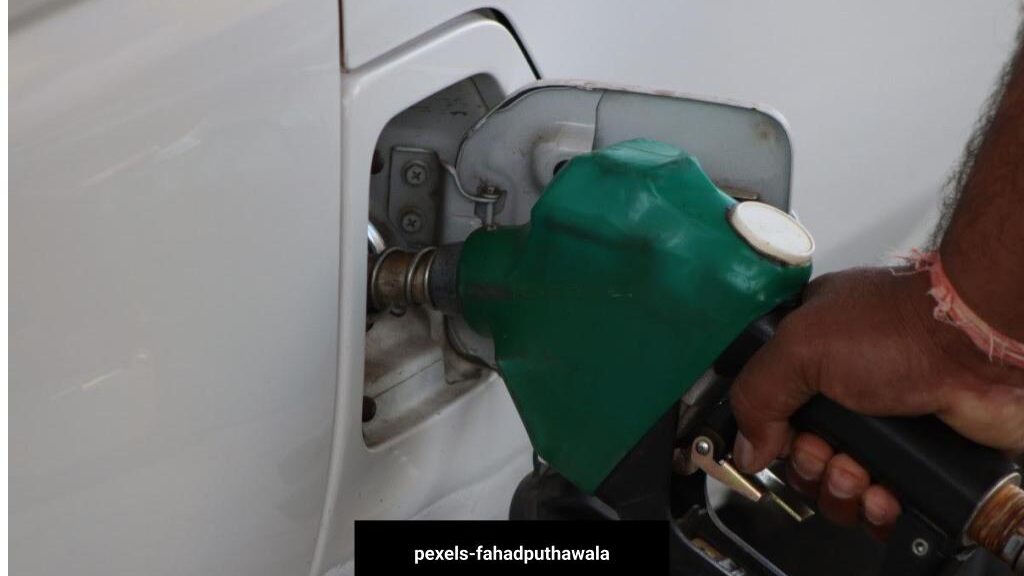
You’ve probably never lost sleep over what fuel a lorry uses. But right now, that question is quietly shaking Malaysia’s economy. Here’s the strange situation we’re in: pumping petrol into your family car feels cheap, thanks to government subsidies. But filling up a diesel truck? That costs significantly more than what our neighbours in Thailand or Indonesia pay. And while politicians love to argue about RON95 prices, the real bomb waiting to explode is underneath the diesel nozzle.
Why? Because diesel isn’t just for the uncle driving a Hilux. It’s the bloodline of everything you buy. It is the silent driver of everything. Think about your breakfast roti canai. The flour came on a diesel-powered lorry. The cooking oil arrived via a diesel truck. The eggs? Diesel. Even the cili boh was likely hauled by a vehicle burning diesel. Now zoom out: construction materials, factory machines, cargo ships, and the buses that get workers to their jobs—almost all run on diesel. If petrol prices go up, you feel it at the pump. Annoying, yes. But you might drive less or carpool.
If diesel prices go up, every physical good you touch becomes more expensive. A lorry driver doesn’t have a choice—he must pay the higher price, then add that cost to the vegetables, cement, or electronics he’s delivering. Within weeks, inflation hits your wallet from every direction. Petrol affects your commute; diesel affects your entire cost of living. That’s why economists say diesel shocks are more dangerous. Petrol is a headache. Diesel is a heart attack.
The neighbourhood problem. Here’s our dilemma. Malaysia’s diesel is actually supposed to be subsidised. But something broken is happening: because our diesel is cheaper than in Thailand or Singapore (when subsidies work), millions of litres leak across borders every month. Smugglers fill up here, sell there. The subsidy meant for Malaysian fishermen and farmers ends up powering lorries in Southern Thailand.
But now, the government is trying to float diesel prices to match the region. The result? Our diesel becomes more expensive than neighbours. Suddenly, our own industries—the very backbone of our economy—face higher costs than their competitors in Vietnam or Indonesia. So, we’re trapped: keep subsidising diesel, and money bleeds out to smugglers. Remove subsidies, and every factory, farm, and shopkeeper suffers.
How do we navigate the swamp? So how does Malaysia get out of this mess? Not by choosing petrol or diesel—but by being surgical. First, targeted subsidies, not blanket ones. Give diesel subsidies directly to the actual users: fishermen, school buses, farmers, and logistics companies registered with a clear card system. Everyone else—luxury SUVs, older lorries that don’t haul goods for the public—pays market price. We already have the technology, like the SKDS system. Use it fully.
Second, stop pretending petrol is harmless. We over-subsidise petrol too, which encourages wasteful driving and clogs our cities. Slowly shift petrol subsidies toward public transport and EVs, but do it in steps—don’t shock the lower middle class overnight. Many have been crying for improvement in the train service. Given the choice, many want to take the train to work. It is about the last mile. But the problem remains. Why?
Third, enforce borders, not just prices. Install better tracking at northern and eastern borders to stop smugglers. What’s the point of a subsidy if half of it disappears into a modified tank in a Thai-bound lorry? The bottom line. Malaysia needs to realise: cheap petrol makes voters happy. But managing diesel prices makes the economy survive. If we get diesel wrong, the price of bread, steel, and medicine all climb. The poor, who don’t even own cars, suffer the most. We don’t need to choose between bankrupting the government or bankrupting the rakyat. We need the courage to subsidise smartly—not universally. Give diesel help only to those who truly move this nation. Let the rest pay fair prices. Because in the end, an economy that runs on diesel must run on honesty, not hidden costs.
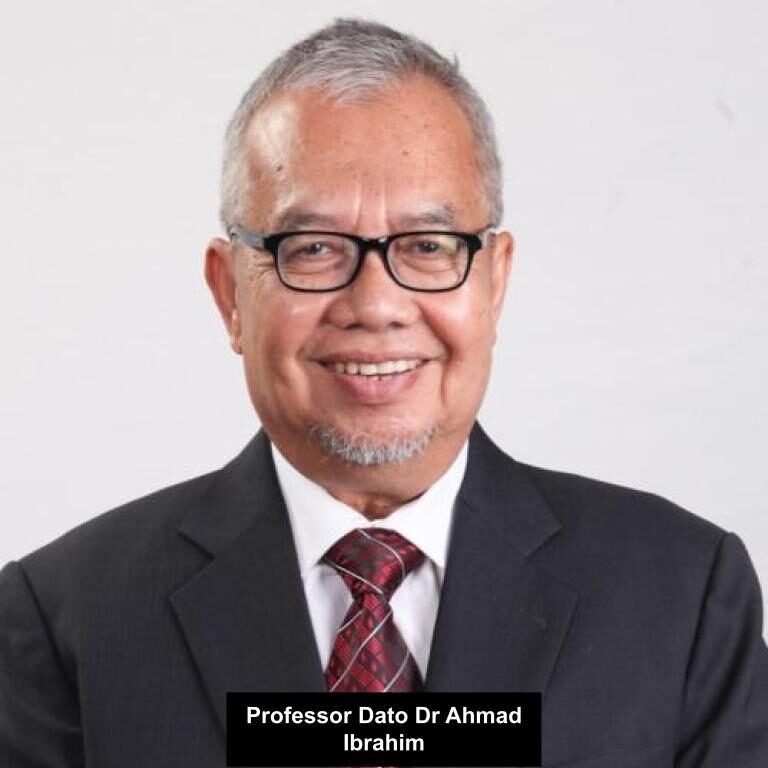
The author is affiliated with the Tan Sri Omar Centre for STI Policy Studies at UCSI University and is an Adjunct Professor at the Ungku Aziz Centre for Development Studies, Universiti Malaya.
About The Author