By Dr. Dalilawati Zainal and Goh Zhi Xin
For years, Malaysian manufacturers have competed on quality, price and timely delivery. Today, buyers are asking another question: How much carbon did this shipment produce?
This is more than a sustainability trend. It reflects a fundamental shift in global manufacturing, where environmental performance now matters as much as cost, quality and delivery.
For Malaysia, where manufacturing underpins economic growth and exports, the challenge is no longer whether companies should go green, but how quickly they can adapt.
Pressure is mounting from both international and domestic developments. Globally, export markets are tightening environmental regulations. The European Union’s Carbon Border Adjustment Mechanism (CBAM) places a carbon price on selected imports, signalling a broader push for carbon accountability.
Exporters that fail to measure or reduce emissions may face higher costs and lose competitiveness, while major buyers in industries such as electronics and automotive increasingly assess emissions across entire supply chains.
Domestically, Malaysia is accelerating its sustainability agenda. The Ministry of Investment, Trade and Industry (MITI)’s National Industry Environmental, Social and Governance Framework (i-ESG) guides businesses in strengthening ESG practices, while the New Industrial Master Plan 2030 promotes smarter and greener manufacturing.
Bursa Malaysia has also strengthened sustainability reporting requirements, placing greater emphasis on environmental performance and climate-related disclosures.
Together, these developments are transforming sustainability from a compliance requirement into a competitive business advantage.
However, not all manufacturers are equally prepared for this transition. While large manufacturers generally have the resources to invest in cleaner technologies, SMEs, which account for over 97 per cent of Malaysia’s registered businesses and underpin manufacturing supply chains, often struggle with limited financing and technical expertise in measuring or reporting carbon emissions.
Although investments in energy-efficient equipment, digital tools and greener production can reduce long-term costs, the upfront expense often discourages businesses operating on thin margins.
With rising costs and economic uncertainty, many prioritise short-term survival over long-term sustainability investments. This creates a broader challenge because a supply chain is only as sustainable as its weakest link.
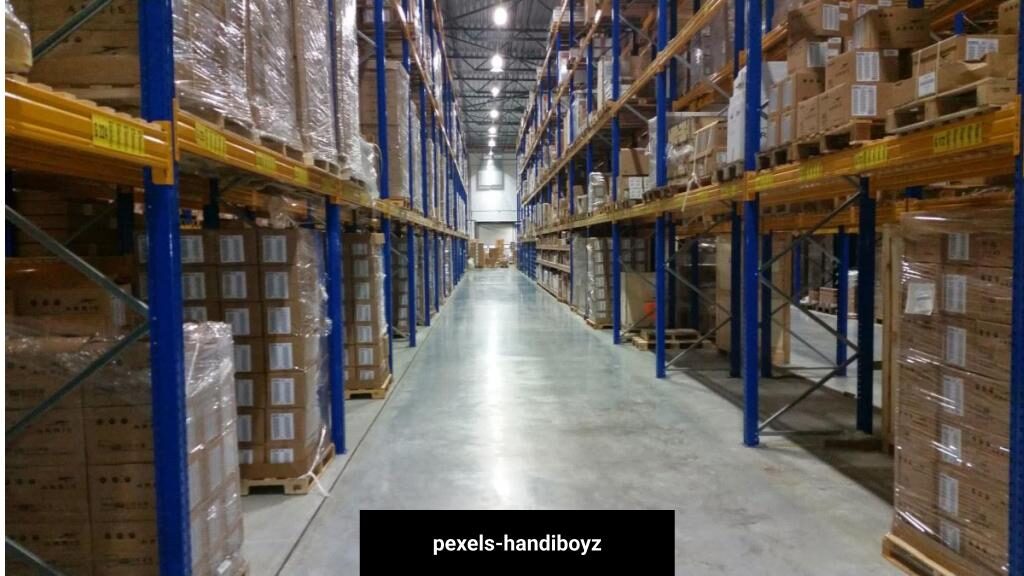
As products move through multiple suppliers before reaching global markets, buyers increasingly expect credible environmental data throughout the value chain. Without practical carbon measurement tools, even committed companies may struggle to provide reliable sustainability information.
Growing ESG reporting expectations also increase the risk of greenwashing, where environmental claims are not backed by meaningful action. To strengthen Malaysia’s ESG reputation globally, ambition must be matched by credible reporting and measurable improvements.
Despite these challenges, there are encouraging signs that meaningful progress is already underway.
Research in Malaysia’s automotive sector shows that better teamwork between manufacturers and suppliers can boost environmental performance. Instead of just following rules, top companies are now giving suppliers environmental training, technical help and ongoing support to build sustainability skills across the supply chain.
Working together like this brings more than just meeting regulations. Using energy more efficiently cuts costs, reducing waste boosts productivity and managing resources better helps companies handle future energy price hikes. Plus, better sustainability improves a company’s reputation and builds stronger ties with international customers and investors.
Many big Malaysian companies are also working to cut Scope 3 emissions, which come from the whole value chain, not just their own operations. By making transport more efficient, improving logistics and teaming up with suppliers, they are lowering indirect emissions and encouraging wider sustainability improvements among their suppliers.
When companies support their suppliers instead of just replacing them to meet new standards, the whole manufacturing sector benefits. Smaller firms get the chance to improve and stay part of global supply chains, instead of being left out.
The effects of greener supply chains go far beyond the factories themselves. Investors and banks now see ESG performance as a sign of long-term business strength. Sustainable finance rules now look at environmental performance as well as financial results when making investment and loan decisions.
Manufacturers without solid environmental plans may find it harder to get funding or good loan terms, while those who act early can build investor trust and protect themselves from future rules and energy risks.
Communities can benefit too. Manufacturing has often meant more emissions, waste and pollution in nearby areas. Cleaner production and greener supply chains can help create healthier environments, lower emissions and a better quality of life for people living nearby.
The workforce is just as important. As industries move faster toward sustainability, there will be more need for skills in carbon accounting, renewable energy, sustainability reporting and green engineering. Building these skills will create better jobs and help Malaysia stay competitive in the long run.
Closing the gap between ambition and action requires collaboration among government, industry and businesses. Government should simplify access to initiatives such as the Green Technology Financing Scheme, while providing SMEs with practical carbon accounting tools and technical support to implement meaningful sustainability improvements.
Big companies and government-linked firms have roles beyond just setting procurement rules. Mentoring suppliers, helping with financing and building long-term partnerships can give SMEs the confidence to invest in sustainability. The supplier development model used in parts of the automotive sector is a good example that others can follow.
Industry groups like the Federation of Malaysian Manufacturers can help SMEs by promoting resource sharing. This could mean joint investments in waste management, renewable energy and sustainability training programs that lower costs for everyone.
In the end, Malaysia’s manufacturing future will depend not just on making products faster or cheaper, but on making them more responsibly. The transition will be challenging, especially for SMEs. Yet, as global standards evolve and sustainability becomes central to trade, delaying action is no longer an option.
Manufacturers that embrace sustainability as a driver of innovation, resilience and long-term value will be best positioned for future success.


The authors are from the Department of Accounting, Faculty of Business and Economics, Universiti Malaya
About The Author