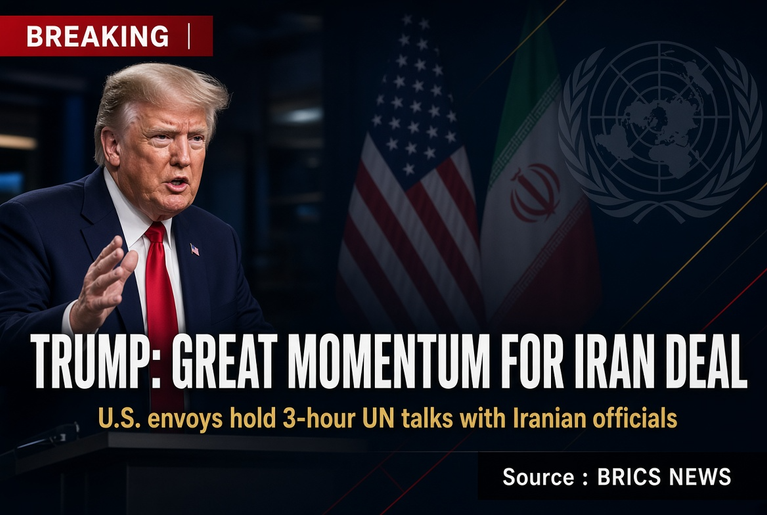
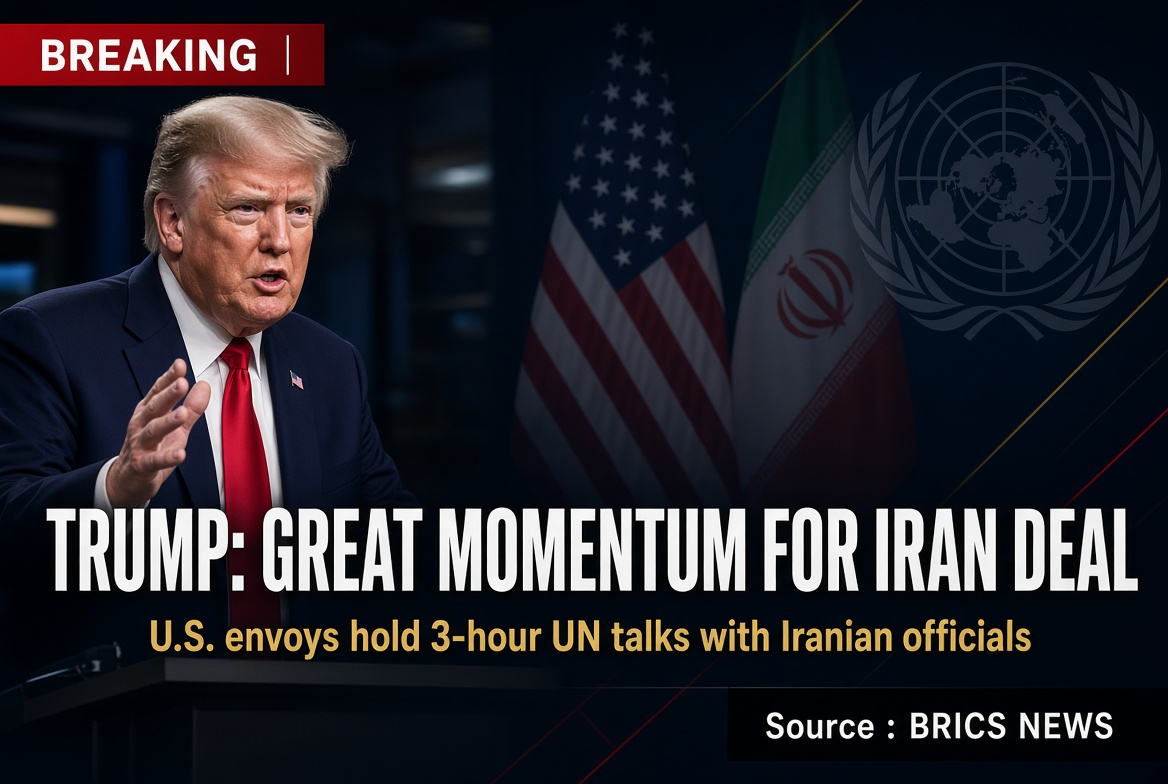
NEW YORK Sept 22, 2026 — President Donald Trump said Tuesday there is “great momentum” toward a deal with Iran, hours after threatening to “annihilate” the Islamic Republic if negotiations fail.
The comment followed a three-hour meeting on the sidelines of the UN General Assembly between U.S. special envoys Steve Witkoff and Jared Kushner and Iranian officials or mediators. Trump called the session “very good” and “very productive,” and said another meeting was scheduled “in the very near future.”
Witkoff told reporters afterward, “I feel very good right now.”
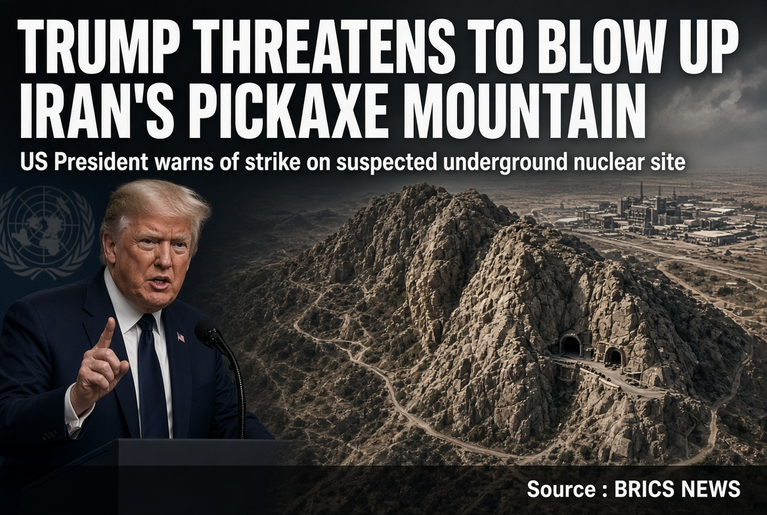
The diplomatic opening came on the same day Trump used his UN speech to frame a stark choice: a deal that would let Iran “rebuild and create a far greater country than it ever was before,” or a campaign to “annihilate the Islamic Republic and do it quickly.” Parts of Iran’s delegation walked out during the address.
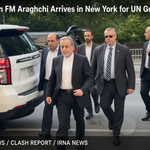
Iranian state media later said Foreign Minister Abbas Araghchi met Witkoff at the U.S. envoy’s request and delivered Tehran’s terms for reopening the Strait of Hormuz. Those conditions include lifting the U.S. naval blockade, releasing frozen Iranian assets, and ending the war “across all fronts.” A senior Iranian official told Reuters Tehran could reopen the waterway within days if Washington eased military pressure.
The conflict, which began in late February 2026 with U.S. and Israeli strikes, is now in its seventh month. A June memorandum of understanding collapsed weeks after it was signed. No confirmed face-to-face talks between Washington and Tehran had been reported since July until Tuesday’s UN encounter.
Trump also told world leaders he expects a deal after November’s U.S. midterm elections, arguing Iran is “waiting to see how I do.” He added that he is not on the ballot. Iranian President Masoud Pezeshkian arrived in New York separately and is scheduled to address the General Assembly on Wednesday. There are no confirmed plans for a Trump-Pezeshkian meeting.
The Strait of Hormuz remains the central economic lever. Iran has restricted or tightly controlled traffic through the waterway for much of the war, contributing to higher oil prices, while the United States has imposed a blockade on Iranian ports and escorted some tanker traffic.
Whether Tuesday’s talks mark a real shift or another cycle of threat-and-outreach is unclear. Both sides have repeatedly described contacts as productive while rejecting each other’s core demands. Another meeting is expected soon.
About The Author