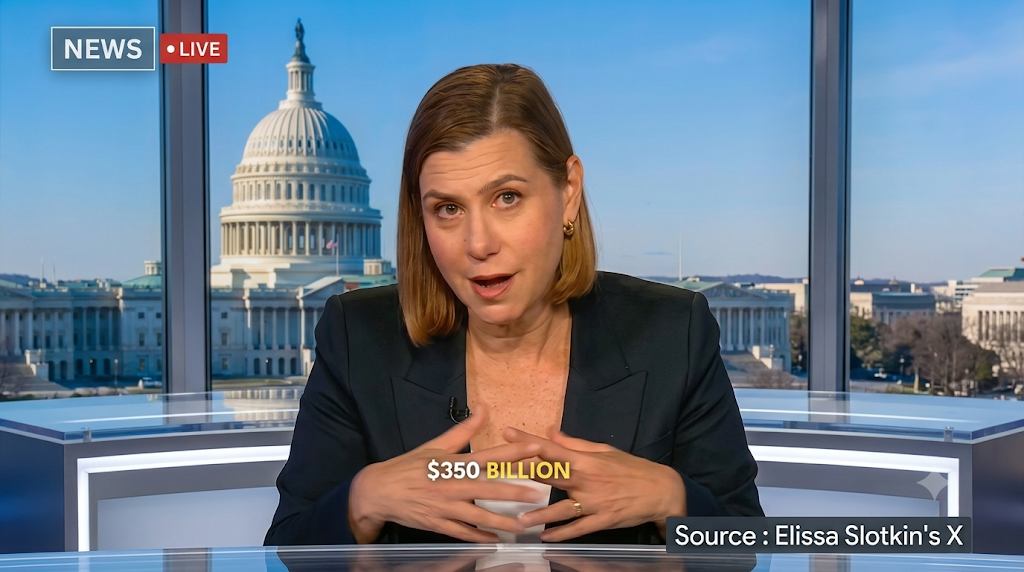
WASHINGTON, D.C. June 15, 2026 — On the eve of a landmark U.S.-Iran agreement to formally end hostilities, Sen. Elissa Slotkin (D-Mich.) released a pointed video message questioning the true financial and human toll of the three-month conflict.
“How much does President Trump’s war in Iran cost? We owe it to the American people to be honest about what the actual cost of this war will be, and what we will have to sacrifice,” Slotkin said in the direct-to-camera address posted Monday evening.
In the roughly 70-second video, the former national security official and Senate Armed Services Committee member urges full disclosure on funding mechanisms, long-term expenses, and impacts on U.S. service members and taxpayers. She highlights everyday economic ripple effects felt by families, including elevated gas prices, shipping fees, and costs for goods like fertilizer.
The war, which escalated in late February 2026 with U.S. and Israeli strikes on Iranian nuclear facilities and military infrastructure, quickly expanded. Key developments included:
- A U.S. naval blockade of the Strait of Hormuz, disrupting roughly 20% of global oil shipments.
- Iranian retaliation, including attacks on U.S. bases and proxies drawing in regional actors.
- Reported U.S. casualties (at least 13 servicemembers killed early on) and billions in equipment and base damage.
Pentagon estimates placed direct U.S. military spending at around $25–29 billion by late April, with daily costs running into the billions. Broader economic impacts—oil price spikes, disrupted shipping, and higher consumer prices—have hit American households hard, particularly in Midwest states like Michigan where gas prices climbed near $5 per gallon.
A shaky ceasefire took hold in recent weeks. On Monday, President Trump and Iranian officials announced a preliminary framework agreement to extend the truce, reopen the Strait of Hormuz to commercial traffic, and begin talks on Iran’s nuclear program. The deal, mediated in part by Pakistan, is scheduled for formal signing on Friday, June 19, in Switzerland.
Slotkin, who has repeatedly voted for War Powers resolutions to require congressional approval for sustained U.S. involvement, has been a consistent voice questioning the administration’s strategy and objectives.
In earlier statements and town halls, she criticized the lack of clear goals, the strain on U.S. forces (including deployment of over 50,000 troops), and the absence of upfront congressional funding debates.
Her latest message comes as Congress faces potential supplemental funding requests and as both parties prepare for post-war reviews of costs, outcomes, and lessons learned.
Supporters of the operation point to degraded Iranian nuclear capabilities, weakened proxy networks, and restored shipping lanes as strategic gains. Critics, including Slotkin, emphasize the need for transparency on sacrifices made by American taxpayers and troops.
As the signing ceremony approaches, Slotkin’s call underscores lingering divisions: even in victory or truce, the full bill for the 2026 Iran conflict is still coming due.
About The Author