By: Professor Dato Dr Ahmad Ibrahim
A recent paper wrote: the smartphone in your pocket, the car in your driveway, the fuel in your tank, and even the grain that made your morning bread—all of them have likely traversed a single, narrow corridor of saltwater somewhere on the globe. Many treat global supply chains as a given, a permanent fixture of modern economics. But as a recent research underscores, this system is built upon a geographic house of cards. They can collapse even without warning.
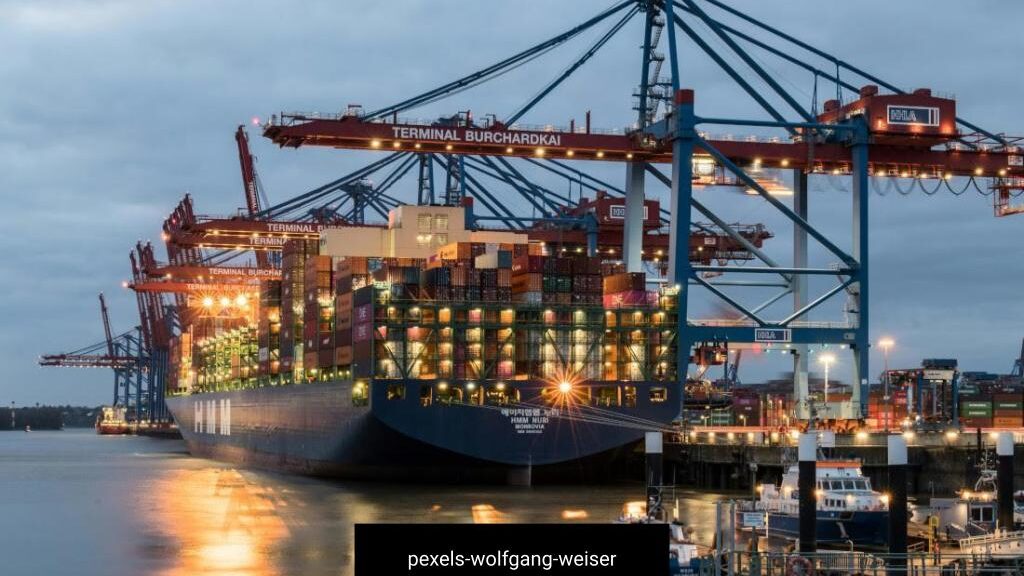
The paper was talking about maritime choke points: the Bab el-Mandeb Strait, the Strait of Hormuz, the Strait of Malacca, the Suez Canal, the Panama Canal, and the Turkish Straits (the Bosphorus and Dardanelles). These six arteries are the circulatory system of the global economy. Together, they funnel over 60% of the world’s seaborne trade, including the vast majority of its energy supplies. The finding is stark: if these points are disturbed—whether by conflict, terrorism, piracy, or diplomatic sabotage—the global economy does not merely slow down; it fractures. The ongoing war in the Gulf has already exposed such vulnerability.
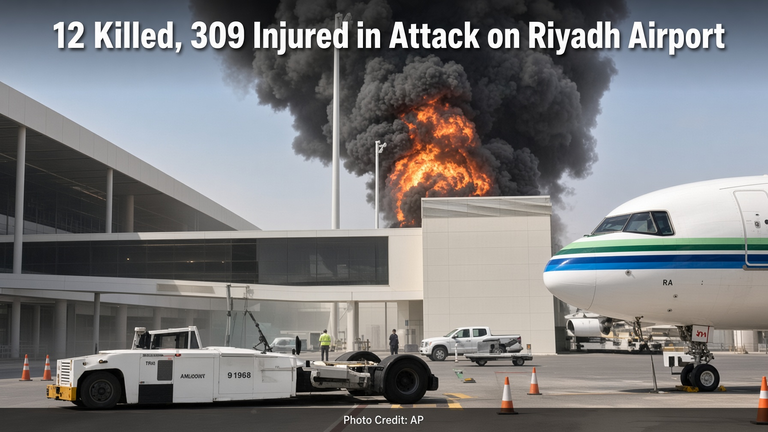
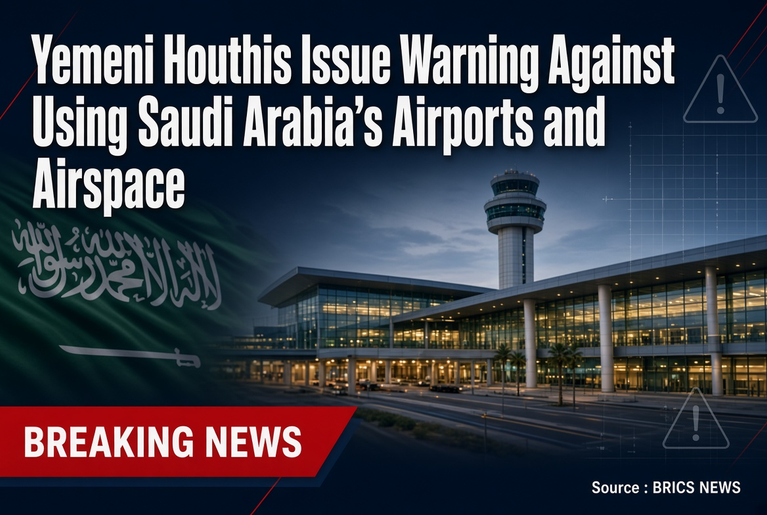
The analysis by the author suggests that a single tanker detained in the Strait of Hormuz, or a swarm of Houthi drones striking facilities near Bab el-Mandeb, can trigger insurance premiums so high that shipping can grind to a halt. The most volatile of these points remains the Strait of Hormuz. Situated between Oman and Iran, it is known that 20% of the world’s oil consumption passes through this 21-mile-wide channel. If this were blocked—as we are now witnessing- the price of crude would likely escalate, triggering a cascade of bankruptcies in aviation, shipping, and manufacturing. It has already happened. For developing nations reliant on energy import, the consequences are dire.
Yet, according to the author, it is the Strait of Malacca that presents perhaps the most complex vulnerability. As the primary conduit between the Indian and Pacific Oceans, it carries nearly 40% of global trade. The research highlights a geopolitical paradox: the three nations that border it—Indonesia, Malaysia, and Singapore—are unable to secure it against state-level threats alone. If a regional power were to militarize this waterway, the disruption would be catastrophic. The supply chains of Northeast Asia would be badly severed. In a scenario of closure, the global container shipping industry would collapse, with vessels forced to take a detour adding 2,500 miles and several days to their journey, effectively doubling shipping costs overnight.
So, what is to be done? The traditional answer has always been naval presence. But the research suggests that the international community suffers from a “collective action problem.” The choke points are global goods, but they are policed by a handful of nations with dwindling naval budgets. The findings point to a need for a radical shift toward proactive economic resilience. First, all must stop treating these chokepoints as purely military problems. Governments need to mandate strategic petroleum reserves and essential commodity stockpiles that account for a 30-to-60-day total closure—not the 7-to-10-day disruptions currently planned for.
The paper suggests that the private sector—the shipping lines, the insurers, the manufacturers—must be brought into the security architecture. Currently, there is a dangerous information asymmetry. Naval intelligence on threats in the Red Sea or the South China Sea does not translate quickly enough into commercial routing decisions. The world must acknowledge the uncomfortable truth that climate change is emerging as a new disruptor. The drought affecting the Panama Canal, which lowered water levels in 2020 and again in 2021, is a harbinger. The analysis by the author indicates that the canal’s vulnerability to climate change is as significant a threat to trans-American trade as any geopolitical rival. We are building a 21st-century economy on infrastructure designed for 20th-century weather patterns.
The era of assuming the seas are safe and open is over. Many have been lulled into a false sense of security by decades of relative maritime peace. The disturbance of a single maritime choke point is no longer a hypothetical war-game scenario; it is a high-probability event with a low lead time. As we move forward, the nations that will thrive are not necessarily those with the largest navies, but those with the foresight to diversify their trade routes, stockpile critical resources, and recognize that in a globalized world, a ship stuck in a canal in Egypt is a national security emergency for every country on the map. The question is no longer if these arteries will be disturbed again, but when—and whether we will be ready when the heart of the global economy skips a beat.

The author is affiliated with the Tan Sri Omar Centre for STI Policy Studies at UCSI University and is an Adjunct Professor at the Ungku Aziz Centre for Development Studies, Universiti Malaya.
About The Author