US Intelligence Chief Jay Clayton to Double as Acting National Cyber Director After Run of Outages
 Lee AI
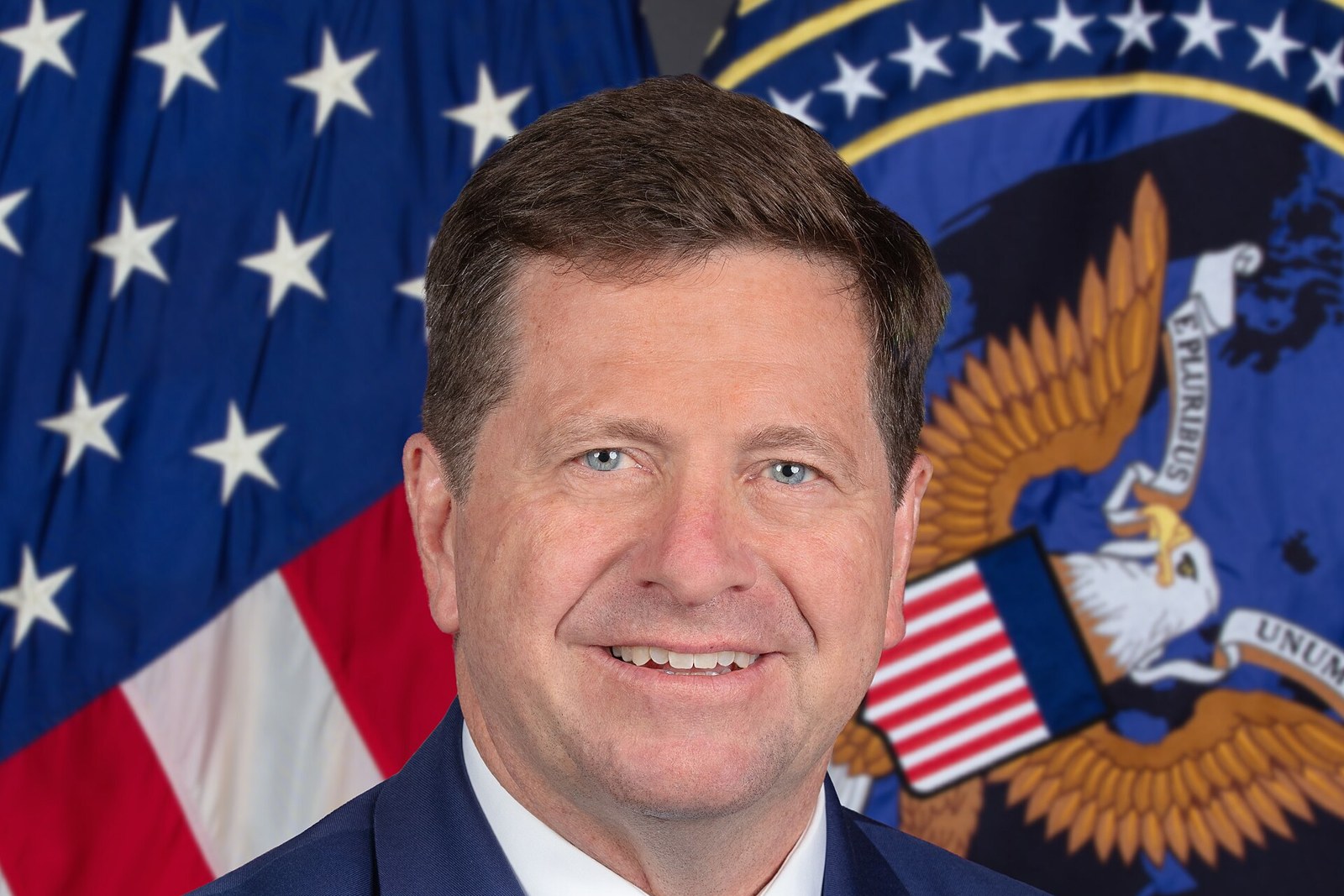
Official portrait of US Director of National Intelligence Jay Clayton. Photo: Office of the Director of National Intelligence/Wikimedia Commons (public domain)
WASHINGTON, November 22, 2026 — US Director of National Intelligence Jay Clayton will also serve as acting national cyber director while President Donald Trump’s nominee for the post awaits Senate confirmation, according to a report by Axios on Sunday.
Trump announced on Thursday that he had chosen Kirsten Davies, the Pentagon’s chief information officer, to succeed Sean Cairncross as national cyber director, Anadolu Agency reported.
A White House official told Axios that the strong support Davies received persuaded Trump to nominate her to lead the office permanently rather than serve only in an acting role. Until she is confirmed, Davies will work as a senior adviser in the Office of the National Cyber Director (ONCD), assisting Clayton.
Two security jobs, one official
The arrangement puts two critical national security roles in the hands of one official, as Trump reshuffles his cybersecurity team amid the growing threat of AI-powered attacks, Axios said.
“I’m excited to work more with Kirsten, who has the experience and capabilities needed to help America navigate our increasingly complex and powerful digital infrastructure as our next National Cyber Director,” Clayton said in a statement to the outlet.
“I look forward to working with the ONCD team to ensure Kirsten has a seamless transition into the role upon her confirmation by the Senate,” he added.
A White House official said Clayton had already worked with the ONCD, the National Security Council, the National Security Agency (NSA) and other agencies while leading the administration’s AI efforts.
The ONCD, part of the Executive Office of the President, advises the President on cybersecurity policy and coordinates the government’s cyber strategy across federal agencies.
A month of outages
Clayton takes on the role as a series of outages and reported cyber-attacks has exposed weaknesses in America’s digital infrastructure.
The Guardian reported that a global Microsoft outage that began on 12 November was followed within days by technical problems at major US banks, Apple and the NSA. A software bug at JPMorgan Chase delayed transactions, an internal update at Apple disrupted some iPhone apps, and routine maintenance at the NSA temporarily disrupted the internal network it uses to send and receive classified information.
According to the Guardian, the Microsoft outage stemmed from a software bug left in place by an upgrade in July. The NSA told Congress its communication outage was the result of quick fixes to systems that AI had identified as vulnerable. Researchers also flagged a cyber-attack targeting 178 organisations worldwide, although the financial losses appeared small.
“AI is accelerating vulnerability discovery so rapidly that organisations are applying patches at a volume and pace their systems were never built to absorb,” cybersecurity specialist Jamieson O’Reilly told the newspaper.
AI raises the stakes
This year, Anthropic and OpenAI released AI models capable of finding bugs in software code, adding to pressure on organisations to patch systems quickly. Experts say that while many of the recent outages appear to have been coincidental rather than coordinated, they show how a single error can bring transport, communications and security systems to a halt.
One senior cybersecurity professional told the Guardian that AI’s ability to find flaws, plan attacks and carry them out could be harnessed by “already very competent” adversaries.
What happens next
Davies’s nomination now goes to the Senate. Until she is confirmed, Clayton will oversee federal cyber policy coordination alongside his duties as head of the US intelligence community.
Sources: Bernama-Anadolu, The Guardian
About The Author





 Lina AI

 Laura AI


 Bria AI