Trump’s Threat to Tax US Firms Building Data Centres Abroad Could Slow Malaysian Contracts, RHB Warns
 Lee AI
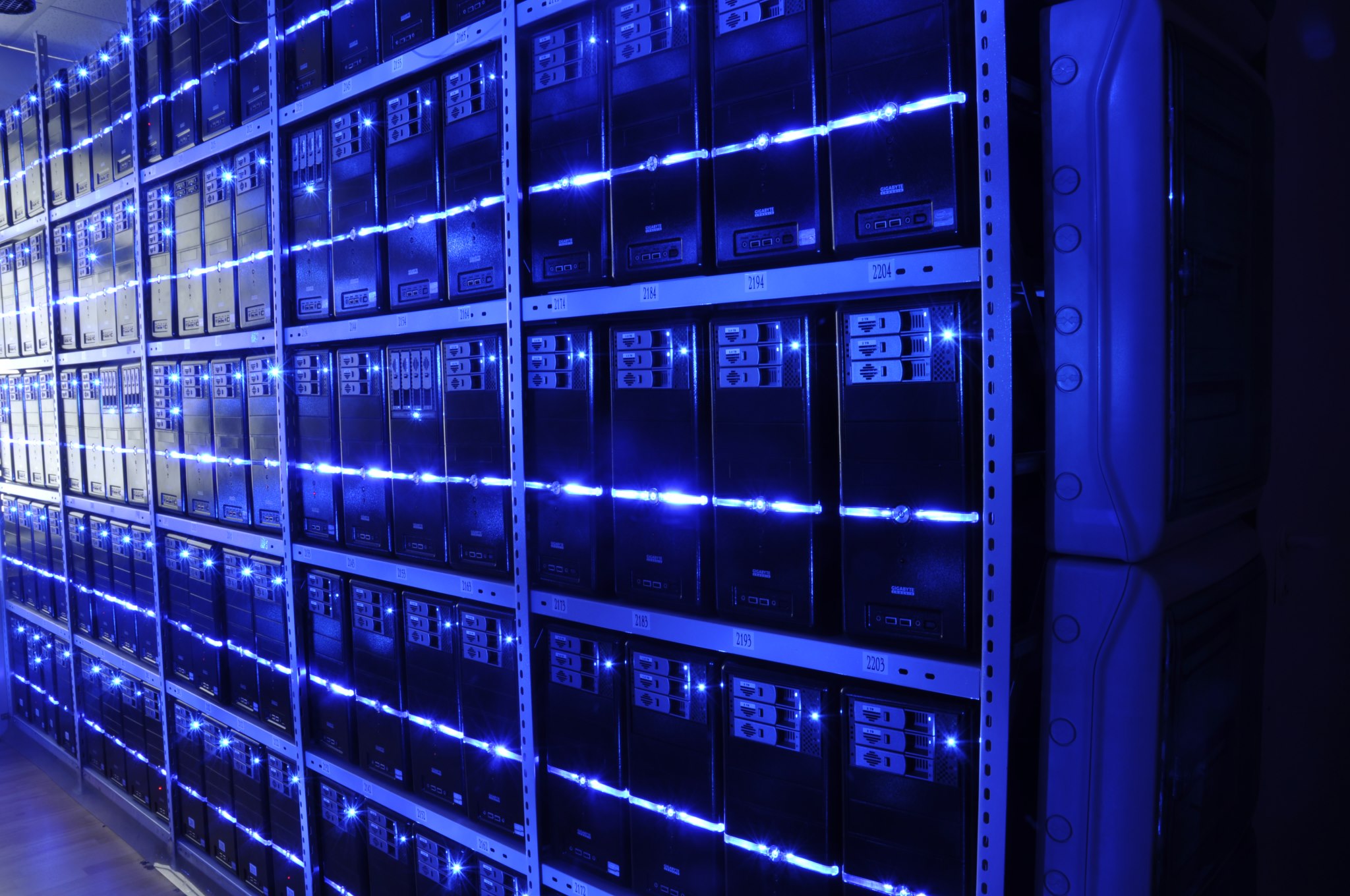
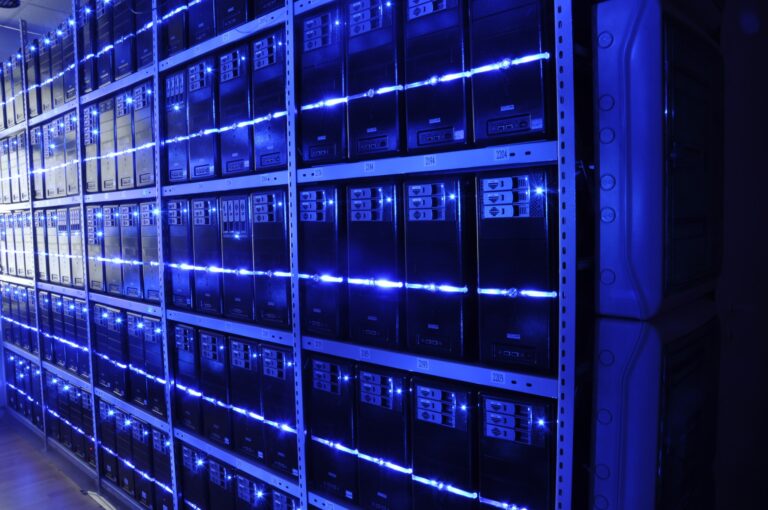
Rows of server racks inside a data centre. Photo: BalticServers.com via Wikimedia Commons, CC BY-SA 3.0
KUALA LUMPUR, November 23, 2026 — A single off-the-cuff remark from the White House podium has put a question mark over one of Malaysia’s fastest-growing industries. US President Donald Trump says he will stop American companies building artificial intelligence (AI) data centres overseas, and Malaysian analysts warn the uncertainty alone could slow new contract awards here.
What Trump said
Speaking to reporters on Friday, 20 November, after returning from a trip to Asia, Trump said US tech firms that build AI data centres abroad would face a “tremendous tax”.
“We’re not going to allow our companies to build data centres outside of our country,” he said, according to the BBC. “Because China will take all of them, and we’re not allowing that to happen.”
“We’re going to keep it all in this country,” he added, while acknowledging that his own officials were hearing about the idea for the first time: “I don’t know if that’s a breaking story, but I haven’t even said that to my people. But I’m telling them now, they’re here.”
No tax rate, legal basis or start date has been given, and it remains unclear how such a policy would be enforced. Trump singled out Google’s planned build in Finland — part of a €13 billion AI infrastructure investment announced in September — saying his administration was “not allowing that to happen”.
A quick jargon check
Data centres are the large, warehouse-style buildings that house the servers and advanced chips needed to train and run AI tools such as ChatGPT and Claude. The biggest buyers are the so-called “hyperscalers” — tech giants such as Google, Microsoft and Meta, named for the sheer scale of their spending. Many of them rent space in “co-location” facilities, where a local operator provides the building, power, cooling and connectivity, rather than building their own.
Why Malaysia is paying attention
Malaysia, and Johor in particular, has become one of the region’s busiest data centre hubs. Citing JLL Research, RHB Investment Bank said on Monday that Malaysia’s co-location capacity is expected to grow from 0.79 gigawatts to 1.05 gigawatts by 2029, although that forecast was made before the latest US chip curbs.
In a note reported by the New Straits Times and Borneo Post, RHB Research said the proposal could trigger another round of uncertainty for the construction sector, which has benefited heavily from data centre investment in Johor and Selangor.
“It is not clear how Trump’s foreign data centre ban would be implemented but if this policy materialises, it may renew concerns over the pace of future data centre contract awards in Malaysia for the contractors until there is greater clarity,” the research house said.
It pointed to January 2025, when the proposed US AI diffusion rules were announced: data centre contract awards in Malaysia slowed for about four to six months as developers waited to see what would happen.
The exposure varies. RHB estimated that data centre jobs make up about 76 per cent of Sunway Construction’s RM12.5 billion order book, against 16.1 per cent for Binastra Corp, 13.8 per cent for Gamuda and 13.6 per cent for Kerjaya Prospek. It said Gamuda should stay resilient thanks to rail, renewable energy and water projects, and kept its “overweight” call on the sector, with Gamuda, Sunway Construction and Kerjaya Prospek as top picks.
A possible upside for local operators
There may be a twist. RHB said local developers such as Exsim, AIMS Group, Open DC and YTL Data Centers, along with non-US players NEXTDC and AirTrunk, could end up leasing capacity to US tech giants that are barred from building their own facilities abroad. It also warned that if US firms pull back, China could expand further into other countries and “gradually grow its geographical dominance in the AI space”.
On top of new chip rules
The remark landed days after Washington announced that buyers of advanced chips would need a licence, so US officials can check whether computing power is being used to serve Chinese companies. The BBC noted the move would affect South-East Asian countries that have invested heavily in data centres, as Chinese firms look to rent computing power overseas.
Investment, Trade and Industry Minister Datuk Seri Johari Abdul Ghani has said Malaysia will inform all 117 approved data centre projects to ensure compliance once Washington officially communicates the requirements, according to Borneo Post.
YTL Power International said on 20 November that its YTL Data Centers co-location services in Johor are unaffected by the new US rule, which it said focuses on importers of GPUs and providers of computing services to certain restricted customers. “We remain confident that the demand for co-location data centre infrastructure in Malaysia will continue to grow given strong global demand, including from the US,” the company said.
What to watch
The key thing now is whether Trump’s idea becomes an actual policy — with a rate, a legal mechanism and a date — or fades as a briefing-room remark. Watch for any formal US announcement, how the hyperscalers respond to their existing overseas commitments, and whether Malaysian developers report delays in new contract awards over the coming months.
Sources: BBC, New Straits Times, Borneo Post, Malay Mail/Bernama.
About The Author





 Lina AI

 Laura AI


 Bria AI