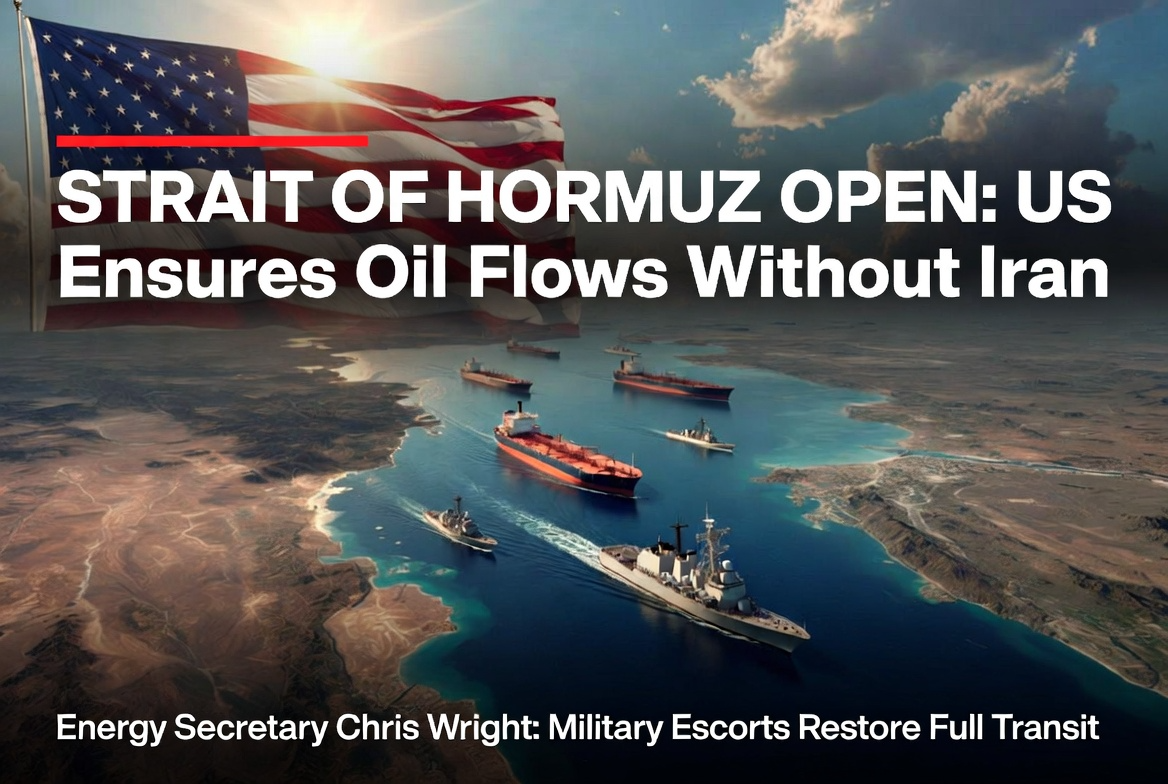
NEW YORK, June 24, 2026 — U.S. Energy Secretary Chris Wright announced Wednesday that oil transit through the critical Strait of Hormuz has returned to near pre-conflict volumes, with approximately 20 million barrels exiting in the last 24 hours aboard roughly 72 tankers.
Speaking at the Reuters Global Energy Forum in New York, Wright stated that U.S. military escorts for commercial vessels have effectively neutralized Iran’s ability to shut down the waterway. “Iran will not have the ability to close the Strait of Hormuz going forward,” he said.
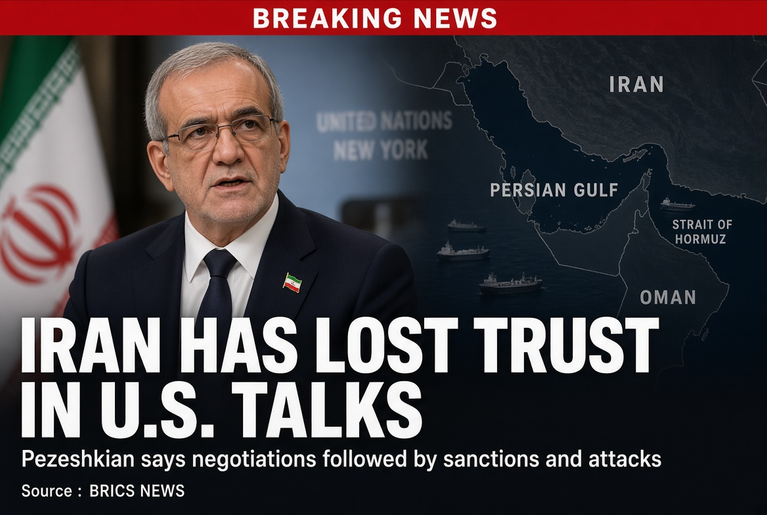
The comments come amid ongoing U.S.-Iran negotiations following recent tensions and conflict that temporarily disrupted shipping through the narrow chokepoint between the Persian Gulf and the Gulf of Oman. The strait handles about one-fifth of global oil trade.
Wright emphasized that flows have normalized “without any cooperation at all from Iran,” describing it as leverage in broader talks. “That’s the leverage President Trump used to get the Iranians to come to the table,” he noted in related remarks.
The administration has highlighted U.S. naval support in escorting tankers along safer southern routes, bypassing Iranian attempts to redirect traffic. Officials say this approach ensures reliable energy supplies regardless of the outcome of negotiations with Tehran.
Some analysts caution that full normalization may take time due to lingering risks, such as potential mines, and question whether recent volumes reflect cleared backlogs rather than sustained inbound traffic.
Wright has repeatedly stressed the U.S. commitment to keeping energy markets stable. Earlier statements indicated volumes were rising “very meaningfully” with military assistance, aiming for full restoration with or without Iranian involvement.
The developments are being closely watched by global markets, as any renewed disruption could impact oil prices and energy security worldwide.
About The Author