By Yasyri M. and Suzana Ariff Azizan
Throughout history, science and technology have been a crucial element in human development. They have enabled innovation and the creation of technologies that improve our well-being, forming the foundation for sustainable development. As emphasized in the Brundtland Report, we must meet today’s needs without compromising the ability of future generations to meet theirs. This link between science, technology, and sustainability now guides global climate negotiations and national frameworks.
Today, climate change is an everyday reality. Malaysians experience rising temperatures, more frequent heatwaves, unpredictable rainfall patterns and increasingly severe floods. Urban communities face flash floods that disrupt businesses and schooling, while rural communities contend with agricultural uncertainty and declining yields. Air quality issues exacerbate respiratory illnesses, placing additional strain on public health systems. Beyond human society, ecosystems and biodiversity are also under threat. Forests, coral reefs and wildlife habitats face pressures that extend far beyond local boundaries. Climate change is not merely an environmental issue but an economic, social and moral challenge.
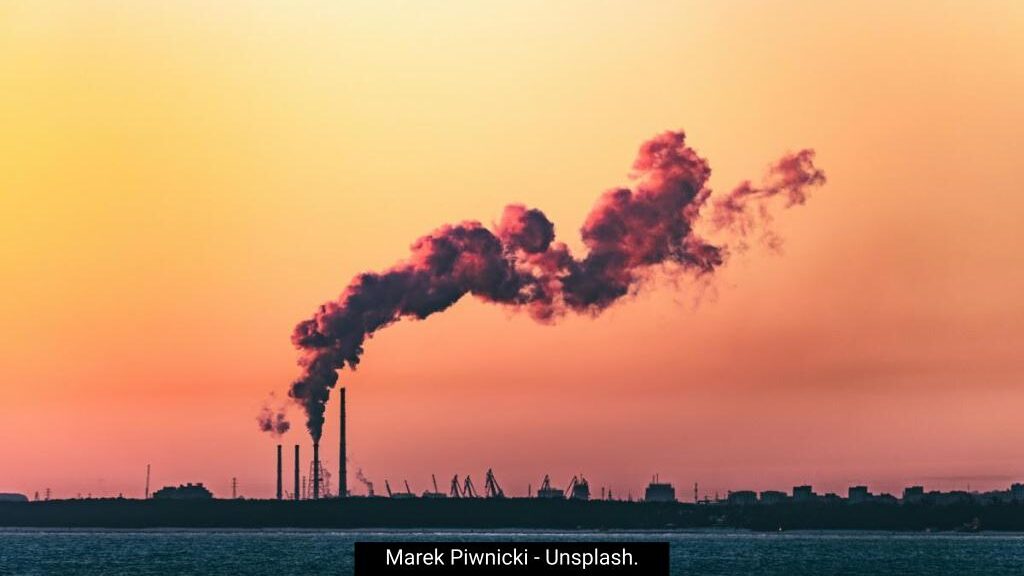
The urgency of addressing this challenge is acutely felt in the current climate anomalies gripping Malaysia, where prolonged heatwaves are increasingly punctuated by erratic and intense weather events. To understand the mechanics behind this unpredictability, it is necessary to examine the dual role of greenhouse gases (GHGs). Inherently, the greenhouse effect is a vital ecological mechanism. Naturally occurring GHGs regulate planetary temperatures by trapping sufficient solar radiation to sustain life. However, the climatic extremes experienced today are the direct consequence of an enhanced greenhouse effect. Anthropogenic activities have significantly increased the atmospheric concentration of carbon dioxide, methane, and other emissions. This accumulation traps excess thermal energy, fundamentally destabilizing atmospheric systems and transforming a delicate natural equilibrium into the primary driver of our contemporary climate crisis.
The difficulty of addressing greenhouse gas emissions lies in their nature as what scholars call a “wicked problem.” Such problems are complex, interconnected, and resistant to simple or single solutions. Malaysia’s emissions profile reflects this complexity. For instance, its energy generation remains heavily dependent on fossil fuels, while the transportation sector relies extensively on private vehicles. In addition, industrial production, agriculture, palm oil processing, and waste management all contribute significantly to national emissions. Each of these sectors underpins economic growth and employment. Any attempt to reduce emissions, therefore, inevitably intersects with concerns about competitiveness, cost of living, energy security, and social equity.
This interconnectedness makes climate policy particularly challenging. Reducing emissions in one sector may create ripple effects in another. For example, phasing out coal-fired power plants requires substantial investment in renewable energy infrastructure and grid modernisation. Encouraging electric vehicle adoption requires charging networks, supportive pricing policies and clean electricity supply. Protecting forests as carbon sinks may conflict with land development pressures. There are no quick fixes, and trade-offs are unavoidable.
Nevertheless, Malaysia has made important commitments. Under the Paris Agreement, the country has pledged to reduce its greenhouse gas emissions intensity of GDP by 45 per cent by 2030 compared to 2005 levels and to achieve net-zero emissions as early as 2050. These targets signal recognition that climate action is not optional but necessary. The challenge now lies in translating ambition into implementation.
The transition toward renewable energy must accelerate. Malaysia’s geographic location offers significant solar potential, and expanding solar installations both at utility scale and rooftop level can reduce dependence on fossil fuels. Investments in energy efficiency, smart grids and battery storage are equally critical. At the same time, public transportation systems must become more accessible, reliable and attractive to reduce reliance on private vehicles. Urban planning that prioritises transit-oriented development can lower emissions while improving quality of life.
Industrial decarbonisation also demands attention. Cleaner technologies, energy-efficient production methods and green financing mechanisms can help industries transition without sacrificing competitiveness. Carbon pricing and regulatory frameworks can provide incentives for innovation. Equally important are nature-based solutions. Malaysia’s forests serve as vital carbon sinks, and protecting them is not only a climate strategy but also a biodiversity imperative. Preventing deforestation and restoring degraded ecosystems strengthen both environmental resilience and national climate commitments.
However, technological solutions alone are insufficient. The wicked emission problem requires behavioural and cultural shifts. Consumption patterns, waste generation and energy use are shaped by daily habits. Public awareness, education and civic participation play a central role in driving sustainable lifestyles. Moreover, the transition must be just and inclusive. Workers in carbon-intensive industries, low-income households and vulnerable communities must not bear disproportionate burdens. A just transition ensures that climate action strengthens, rather than fractures, social cohesion.
Ultimately, solving Malaysia’s emission problem requires more than isolated policies or sectoral reforms. It demands systemic transformation and long-term political will. It calls for collaboration among government agencies, businesses, researchers, civil society and citizens. Climate change may be a wicked problem, but it is not an unsolvable one. Wickedness refers to complexity, not impossibility. Science and technology helped create the industrial age that brought prosperity and progress. Science and technology now equips us with the knowledge and tools to mitigate its unintended consequences. The question facing Malaysia is not whether the transition will be difficult, but whether we are prepared to act decisively.
The path to net-zero will require courage, innovation and shared responsibility. Yet within this challenge lies an opportunity: to build a resilient, low-carbon economy that safeguards both present and future generations. Malaysia can either react to climate crises as they intensify, or lead proactively in shaping a sustainable future. The choice is ours.


The authors are from the Department of Science and Technology Studies, Faculty of Science, Universiti Malaya
About The Author