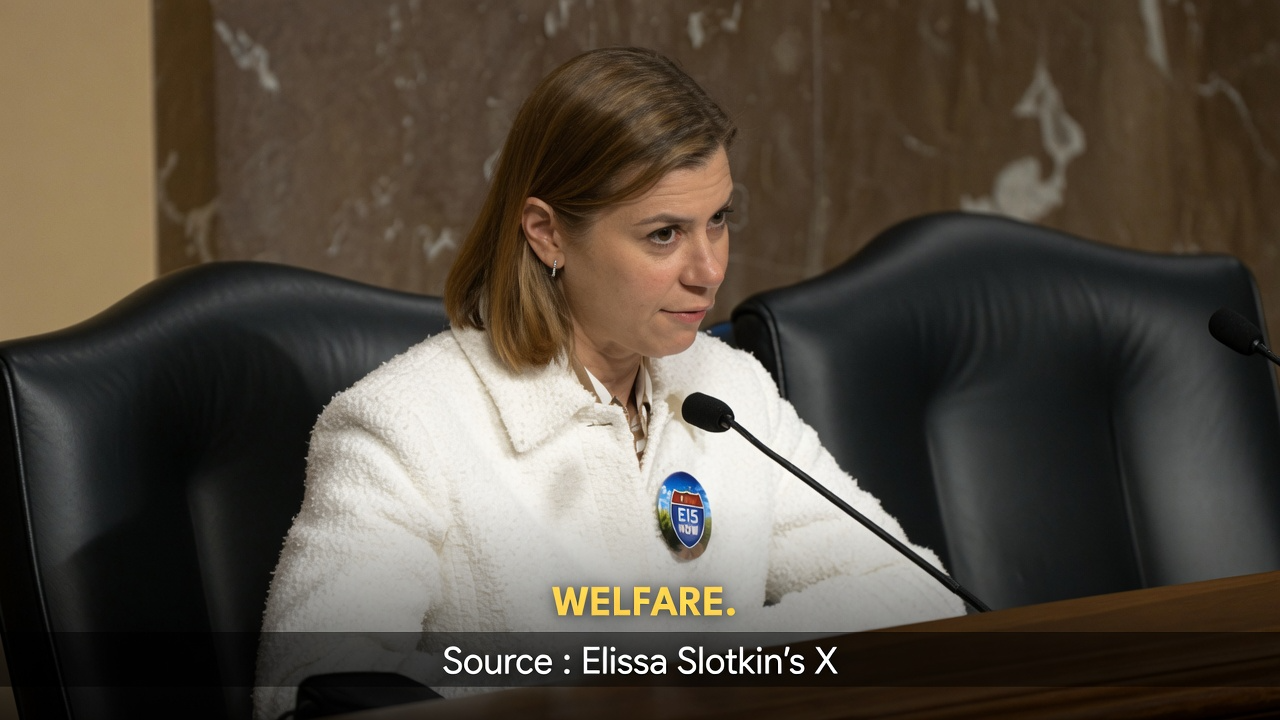
WASHINGTON D.C June 10, 2026 — U.S. Senator Elissa Slotkin (D-Mich.) sharply criticized President Donald Trump’s tariff policies during a Senate Agriculture Committee hearing, describing them as “sloppy” and arguing they have burdened taxpayers with billions in aid to farmers who prefer market stability over government support.
In a video clip shared on X (formerly Twitter) on Wednesday, Slotkin stated: “Because of President Trump’s sloppy tariffs, the Senate has had to approve $35 billion in what is essentially welfare for farmers, and farmers hate getting welfare.”
During the hearing, Slotkin questioned a USDA nominee about the impacts on Michigan and national agriculture. She highlighted retaliation from trading partners and the need for repeated bailouts, framing the aid as an ironic consequence of the administration’s trade approach.
The Trump administration has defended the payments as necessary short-term relief. In December 2025, the USDA announced $12 billion in “Farmer Bridge Assistance” (FBA) payments to address market disruptions, elevated input costs, and lingering effects from prior policies. These one-time payments target row crop producers (such as corn, soybeans, and wheat) and are scheduled for distribution by late February 2026.
Administration officials, including Secretary Brooke Rollins, have positioned the aid as a bridge until broader farm bill enhancements and new trade deals take effect, emphasizing that it counters “unfair market disruptions” rather than serving as ongoing welfare.
Slotkin, a moderate Democrat from a key agricultural and manufacturing state, has repeatedly voiced concerns about tariffs on allies like Canada and Mexico, warning they raise costs for energy, lumber, cars, and groceries while harming exporters. She has called for a more targeted, Congress-led approach to trade policy.
Farm groups have expressed mixed views. Many acknowledge short-term pain from trade tensions and input costs but support efforts to open new markets and strengthen the farm safety net. Critics of the aid packages argue they can distort markets, while supporters see them as essential during transition periods.
The exchange underscores ongoing partisan divides over tariffs as a tool for national security and economic leverage versus their potential costs to domestic industries. As of mid-2026, the full scope of trade negotiations and long-term farm impacts remains under scrutiny.
Slotkin’s comments come amid her broader role as a leading Democratic voice on economic and national security issues.
About The Author