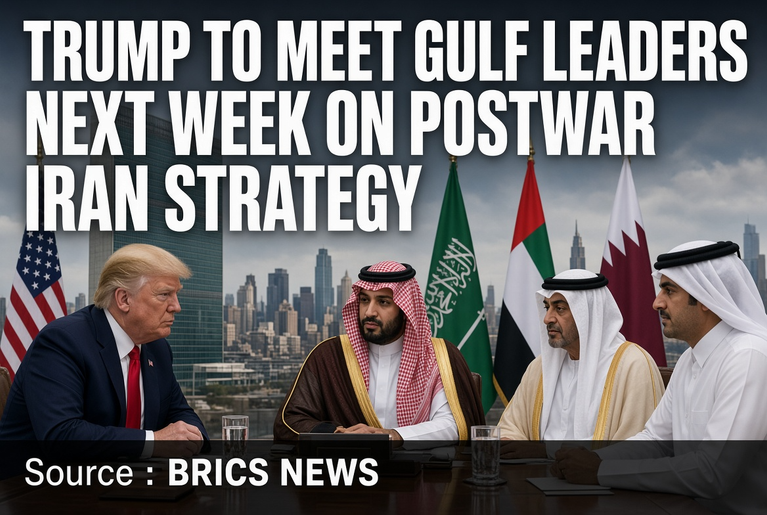
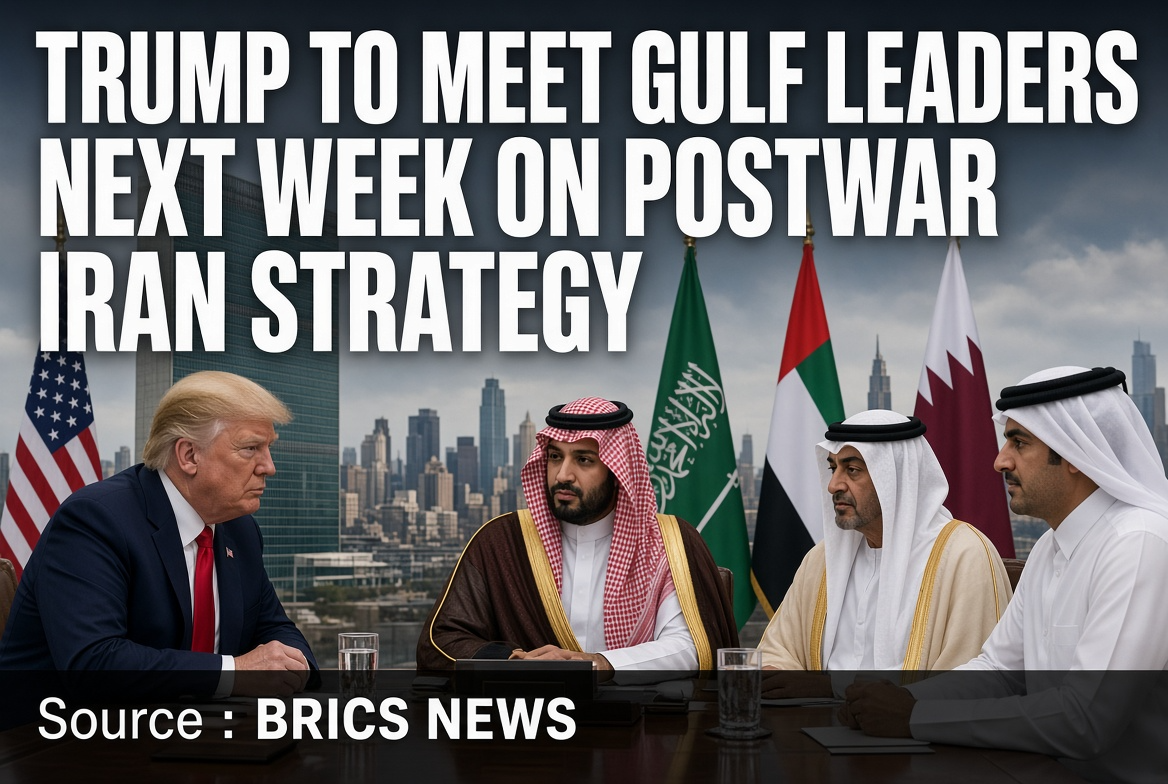
WASHINGTON D.C Sept 16, 2026 – The talks are expected on the sidelines of the United Nations General Assembly in New York, according to sources familiar with the planning. Attendees are anticipated to include officials from the six Gulf Cooperation Council countries—Saudi Arabia, the United Arab Emirates, Qatar, Bahrain, Kuwait and Oman—with the possibility of expansion to other Arab and Muslim leaders.
The meeting comes as the Trump administration works on a “day after” plan for Iran that officials say will be finalized after the U.S. midterm elections. It follows a similar sequence last year in which Trump met Arab and Muslim leaders at the UN before unveiling a Gaza peace proposal. Israeli Prime Minister Benjamin Netanyahu has also sought a meeting with Trump in New York, but none has been scheduled.
The 2026 conflict with Iran, which began earlier this year, produced a U.S.-Iran memorandum of understanding that included a proposed $300 billion reconstruction and development fund and temporary arrangements for the Strait of Hormuz. Gulf states have expressed concern about the security implications, potential Iranian influence over shipping lanes, and the economic costs of the war, including disruption to energy exports.
U.S. officials have described the fund as a private investment vehicle involving regional partners rather than direct American taxpayer money, though Gulf governments have shown varying degrees of caution about contributing. Saudi officials have said they lack details on the proposal, while others have signaled openness to economic incentives tied to Iranian compliance.
Recent diplomacy underscores the region’s unease. Last week, U.S. Central Command hosted a private meeting in Germany with military chiefs from the United States, Israel, Saudi Arabia, the UAE, Bahrain, Kuwait, Qatar, Jordan and Egypt—the first such gathering since the war began. CENTCOM commander Adm. Brad Cooper assured participants that U.S. forces would not withdraw from the region despite Iranian attacks on American bases and briefed them on plans to increase shipping through the Strait of Hormuz.
Separately, planned direct talks between Iran and Gulf states on reopening shipping lanes in the strait were postponed. Oman had been set to host the meeting, but it was delayed “in the interests of consensus” after an impasse, particularly over Iranian proposals that Gulf officials viewed as threatening freedom of navigation.
President Trump said Wednesday that the war is “hopefully” nearing its end and that Iran wants a deal. The upcoming New York meeting is intended to align Gulf partners on next steps as Washington seeks to lock in a longer-term framework while addressing allies’ fears that the current arrangements leave them exposed.
The discussions will take place against the backdrop of continued strain on Gulf economies from the conflict and questions about how reconstruction funding, maritime security, and future Iranian behavior will be managed.
About The Author