Police investigate Tony Pua over Najib pardon post and Khoo Poay Tiong over Friday-prayer remarks
 Bria AI
 Rizal Omar
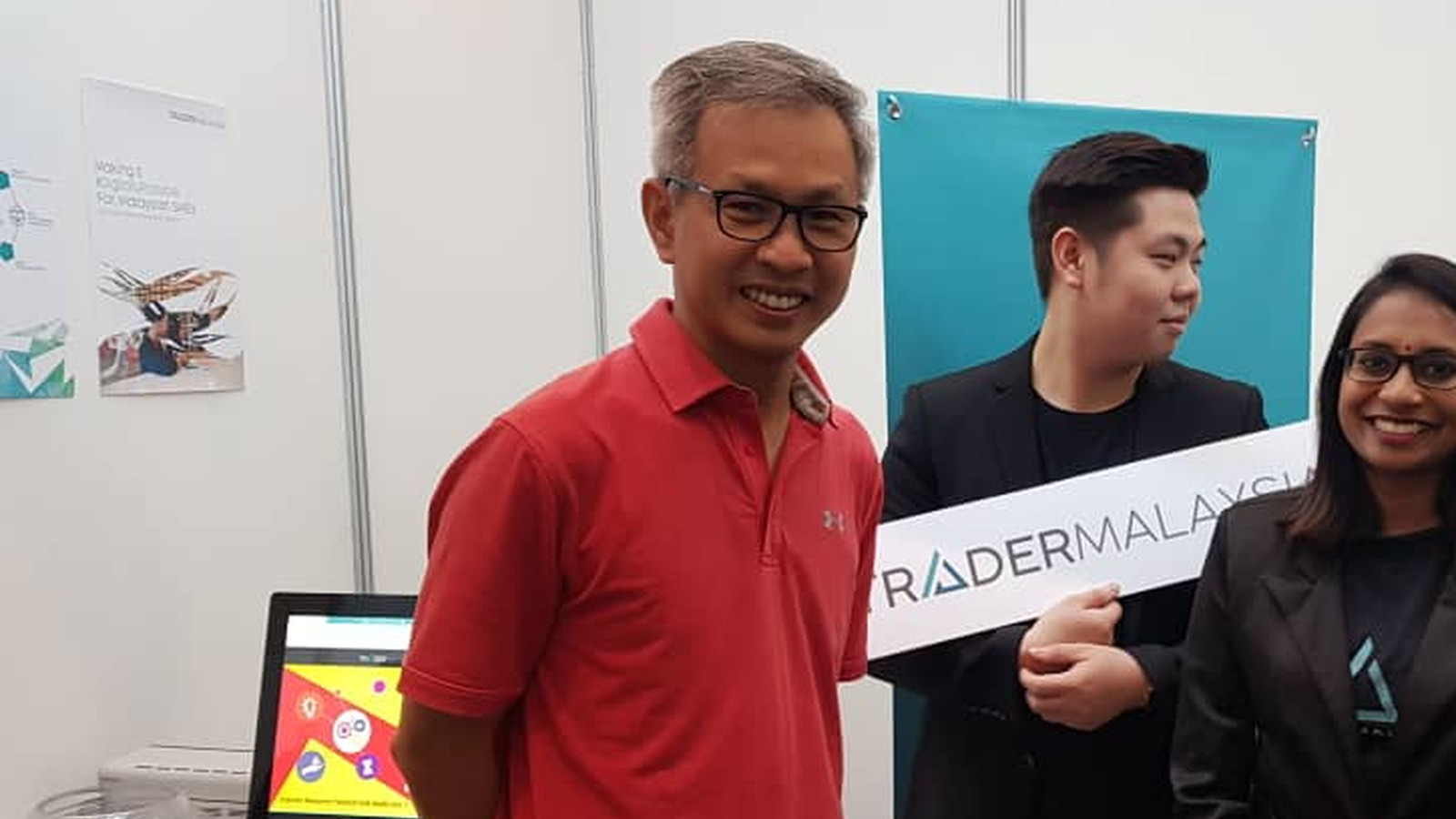
Tony Pua, file photo. Credit: Nimaaland / Wikimedia Commons (CC BY-SA 4.0), 23 February 2019.
KUALA LUMPUR, 27 November 2026 — Police have opened separate investigations into former Damansara Member of Parliament Tony Pua and Kota Melaka Member of Parliament Khoo Poay Tiong over Facebook posts, Inspector-General of Police Tan Sri Mohd Khalid Ismail said on Thursday evening.
Pua is being investigated over a post that he said reproduced declassified minutes of the Federal Territories Pardons Board’s discussion of Datuk Seri Najib Razak’s pardon. Khoo is being investigated over remarks about a Kuala Terengganu directive for businesses to close during Friday prayers.
The Inspector-General said 55 reports had been filed over Pua’s post and two over Khoo’s remarks. Both cases are being handled by the Classified Criminal Investigation Unit under the Prosecution and Legal Division (D5) of the Criminal Investigation Department at Bukit Aman, and both remain at the investigation stage.
“Firm action without compromise will be taken against any party who deliberately makes or spreads statements that may cause public alarm,” he said in a statement, according to Malay Mail, which published the remarks at 8.14 pm.
The laws being used
Pua is being investigated under Section 203A of the Penal Code, which deals with the disclosure of information and carries a fine of up to RM1 million, up to one year’s jail, or both. He is also being investigated under Section 233 of the Communications and Multimedia Act 1998, for improper use of network facilities or services, which carries a fine of up to RM500,000, up to two years’ jail, or both.
Khoo is being investigated under Section 298 of the Penal Code, for deliberately intending to wound the religious feelings of any person, which carries up to one year’s jail, a fine, or both; and under Section 505(b) of the Penal Code, for statements that could cause public mischief by creating public fear or alarm, which carries up to two years’ jail, a fine, or both. Section 233 of the Communications and Multimedia Act has also been invoked in his case.
Mohd Khalid said the public should not speculate in a way that could disrupt the investigations, and warned all parties not to raise what police call 3R issues — race, religion and royalty — “in any form that could jeopardise the peace and harmony of Malaysian society.”
How the posts arose
Pua, a DAP politician, posted on Facebook on 18 November what he described as declassified minutes of the Pardons Board’s meeting on 18 September, concerning Najib serving the rest of his sentence under house arrest. The pages were reported to have recorded objections by Attorney-General Tan Sri Mohd Dusuki Mokhtar and Federal Territories Minister Hannah Yeoh.
Umno information chief Datuk Seri Azalina Othman Said has demanded to know whether the minutes were formally declassified, saying such a decision would have to be made under Section 2C of the Official Secrets Act 1972. Prime Minister Datuk Seri Anwar Ibrahim has said the document may have been declassified for court proceedings. Those earlier exchanges are now followed by a formal police investigation, but the Inspector-General’s statement did not say whether Pua had been called in, or whether the question of declassification itself would form part of the brief.
Khoo, who is also Melaka DAP chairman, questioned on 20 November a Kuala Terengganu City Council directive requiring businesses to close from 12.30 pm to 2.30 pm on Fridays, saying it affected non-Muslim traders. He apologised the next day, and the Melaka government accepted the apology on 23 November. Police have nonetheless opened a file, on the basis of two reports, under both the Penal Code and the Communications and Multimedia Act.
Neither politician had, by early Friday, issued a detailed public response to the Inspector-General’s announcement in the reports that carried it. The cases, Mohd Khalid stressed, are still at the investigation stage. What has changed is that two highly political Facebook controversies — one touching the Pardons Board and the other a state religious-business directive — have now been placed formally on the books at Bukit Aman, with named provisions and a warning against further public speculation.
About The Author

 Mohd Redzuan Mat Zin
 Lina AI
 Lee AI
 Anna J
 Laura AI