JERA in talks with Anthropic, Meta, Amazon, Microsoft and Google on Tokyo-area data centres
 Lee AI
 Rizal Omar
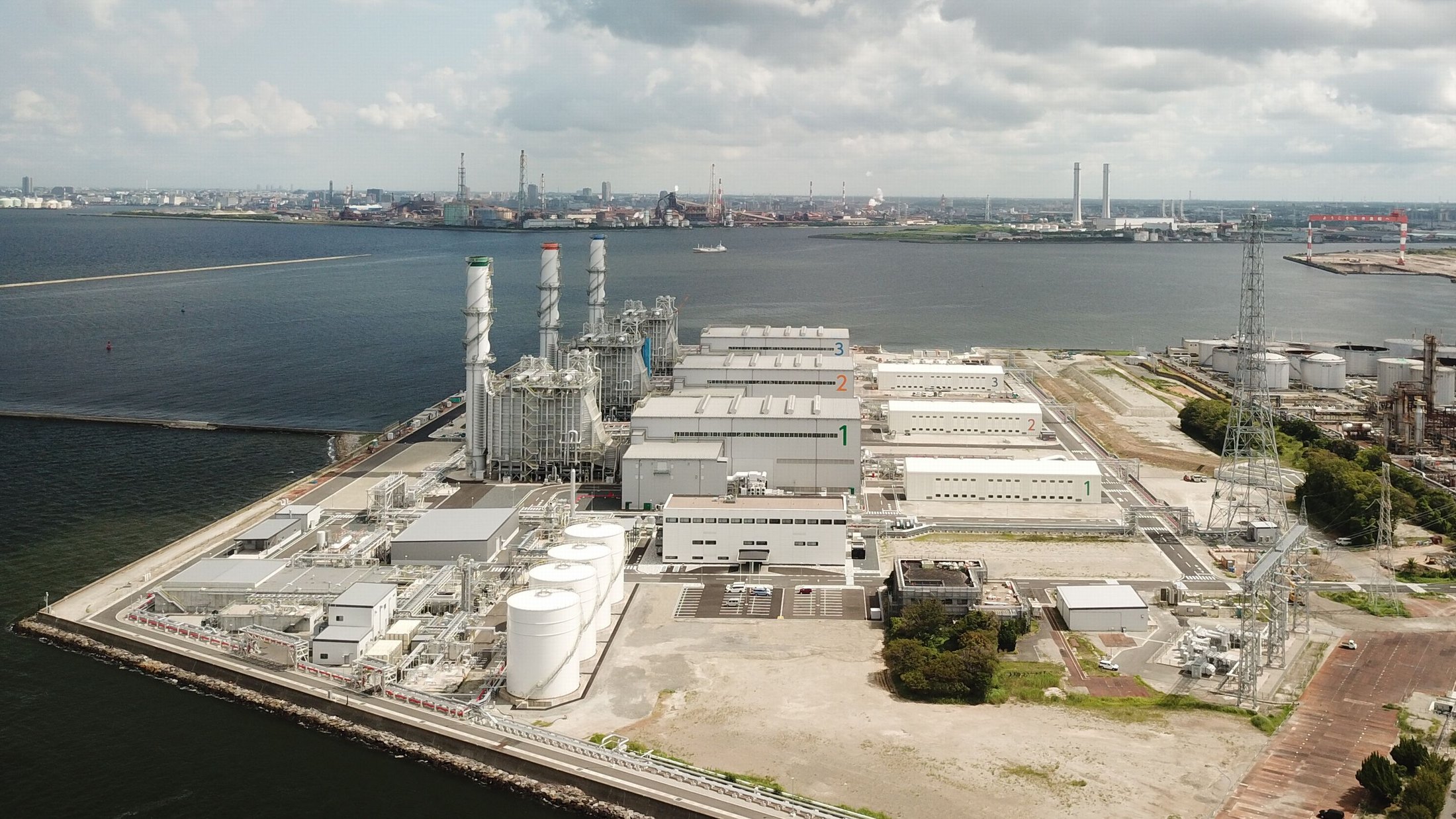
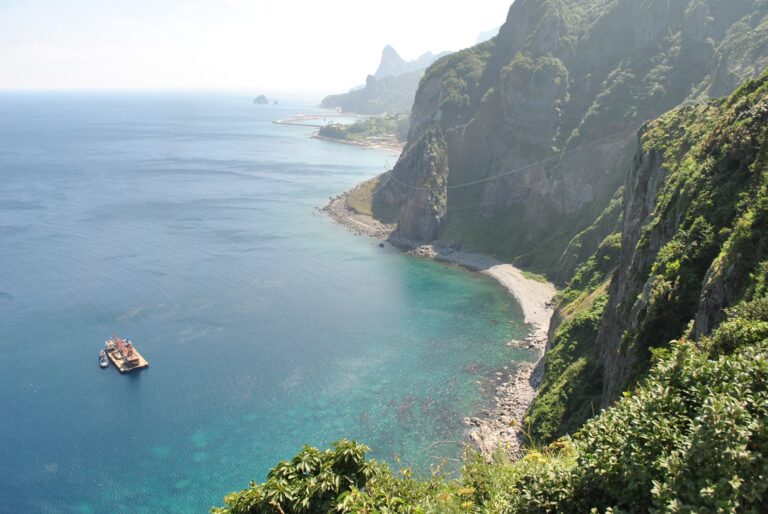
Photo: Jihara19 / Wikimedia Commons (CC BY-SA 4.0), 25 August 2024
TOKYO, 27 November 2026 — JERA, Japan’s largest electricity producer, has entered talks with Anthropic, Meta and other US technology companies about building data centres next to power plants in the Tokyo area, the Nikkei newspaper reported today, citing the group’s global chief executive and chairman, Yukio Kani.
According to Nikkei, JERA is also in discussions with Amazon, Microsoft and Google. The proposed developments would place computing facilities alongside existing generation so that they can take power “behind the meter”, easing pressure on the transmission grid. Kani’s remarks, as reported, present the talks as an effort to use the advantage of power-plant sites to reach agreements with the technology groups.
The report follows a partnership JERA announced in October with Dell Technologies and the British AI infrastructure developer RHAELM, including a memorandum of understanding to develop a standardised model for building AI infrastructure in Japan, starting with a US$15 billion hyperscale data centre in Chiba, near Tokyo. A JERA spokesperson told reporters that RHAELM is in charge of marketing and that the company had been told RHAELM is in talks with multiple hyperscalers. RHAELM was not immediately available for comment. Anthropic, Meta, Amazon, Microsoft and Google did not immediately respond to requests for comment from Reuters.
JERA is a 50-50 joint venture between Tokyo Electric Power Company and Chubu Electric Power. Interest from US AI developers in Japanese power-plant sites reflects a wider search for reliable electricity as data-centre demand grows in Asia. The talks, on the published accounts, remain preliminary: no investment figures, customer names beyond those already listed, or construction timetables were disclosed for the plant-side projects now under discussion, beyond the earlier Chiba memorandum.
For Japan, the appeal of a “behind the meter” design is that a data centre next to a thermal plant can, in principle, draw power without adding as much load to a congested grid. For the technology companies, the draw is access to supply in a market where new large loads are increasingly hard to connect quickly. Whether those talks become signed offtake or development agreements is not a matter today’s report can settle. What it does establish is that Japan’s largest generator is now publicly described as being in discussions with five of the largest US technology groups, and that a Chiba-linked partnership with Dell and RHAELM is already on the books.
About The Author




 Anna J
 Laura AI