Pedu Dam storage raised to protect northern padi fields from an expected El Niño dry spell
 Lina AI
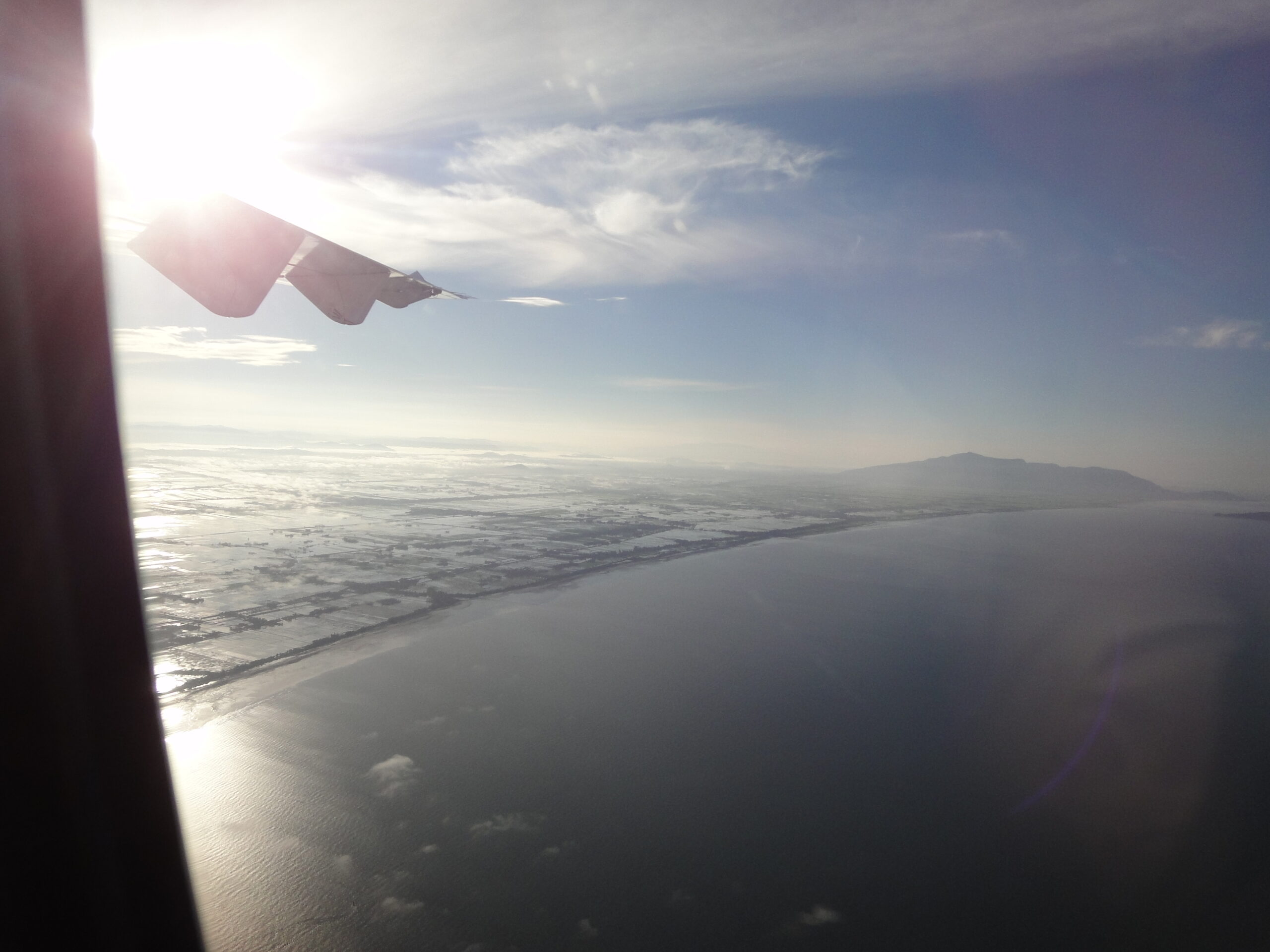
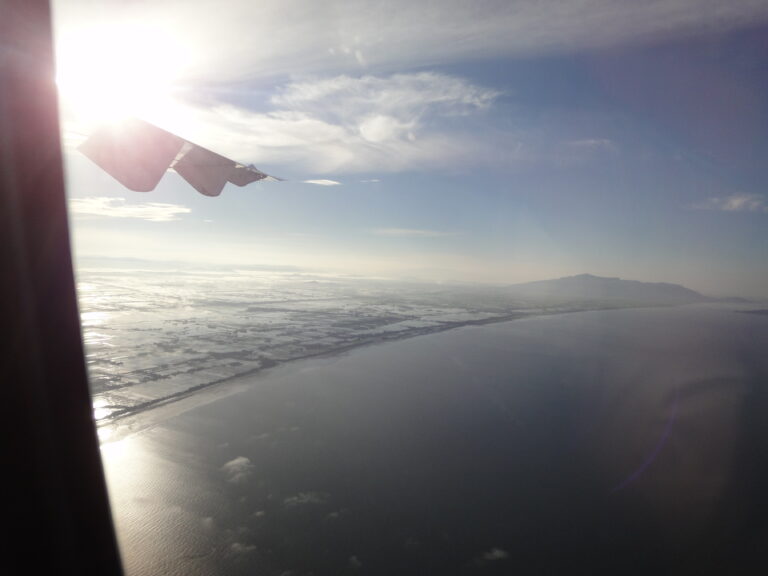
File photo: padi fields near Kuala Kedah. Photo: Marufish / Wikimedia Commons (CC BY-SA 2.0)
The Ministry of Agriculture and Food Security (KPKM) is raising water storage at the Pedu Dam in Kedah so that padi farmers in the northern states will still have enough water for irrigation if an El Niño dry spell sets in from late December until April next year.
Minister Datuk Seri Mohamad Sabu said the step was meant to make sure padi cultivation, particularly in the northern states of Peninsular Malaysia, is not hit by water shortages during what could be a long stretch without rain.
“Currently, the water level at Pedu Dam is good, but we want to increase the storage further to ensure sufficient water for padi field irrigation if there is no rain from December to April,” he told Bernama in Kuching today, after attending the Agro MADANI Mega Sales @ Medan Niaga Satok 2026 programme.
“That is why I was at Pedu Dam two days ago to ensure efforts to increase water storage could be carried out,” he added.
Why Pedu matters to the rice bowl
Pedu is one of the Muda Agricultural Development Authority’s (MADA) storage dams in Kedah, and together with the Ahning and Muda dams it feeds irrigation for the Muda granary, the country’s biggest rice-growing area, which covers large parts of Kedah and Perlis. When those reservoirs run low, planting seasons can be delayed or cut short, with knock-on effects for farmers’ incomes and for local rice supply.
Official figures on the government’s InfoKemarau drought-monitoring portal showed Pedu Dam at 53.82 per cent of its storage as of 3.20pm on 27 November. On the same reading, the nearby Ahning Dam stood at 51.55 per cent and the Muda Dam at 43.39 per cent.
Mohamad said forecasts from the Malaysian Meteorological Department (MetMalaysia) pointed to hot weather affecting several states, including Kelantan, Terengganu, Kedah and Perlis.
Farmers urged to keep to the planting schedule
The minister also stressed that sticking to the official padi planting schedule was just as important as filling the dam, because crops planted late could find themselves short of water at the very time they need it most.
“We also hope all parties, including the Muda Agricultural Development Authority (MADA), ensure that the padi planting schedule is adhered to. If planting is not carried out according to schedule, we are concerned that water shortages may occur while the padi is growing,” he said.
For farming families in the north, that means keeping a close eye on MADA’s announcements on water release and planting dates over the coming weeks, and avoiding planting outside the set window, which could leave fields exposed if the dry spell arrives as forecast.
Floods now, drought later
The warning on El Niño comes while parts of the country are still dealing with the northeast monsoon. Mohamad said the relevant agencies, including the National Disaster Management Agency (NADMA), the Social Welfare Department and the Education Ministry, were always prepared to deal with possible floods.
But he said El Niño called for a different kind of preparation because its effects were still hard to predict, while flash floods had also become increasingly serious in recent times.
“Rain in Malaysia is nothing unusual… the monsoon season is something we face every year, but El Niño is a relatively new phenomenon that requires different preparations because its effects are still difficult to predict,” he said.
“Insya-Allah, the government is always prepared for the monsoon season based on past experience. However, El Niño requires a slightly different approach and preparedness measures,” he added.
The flood picture elsewhere eased slightly this morning. According to the Social Welfare Department’s InfoBencana portal, the number of evacuees at relief centres in Selangor fell to 798 people from 247 families, from 838 people the day before, with most of them in Kuala Langat. In Perak, 189 people from 55 families remained at three relief centres, Bernama reported, while the Public Works Department said Jalan Padang Serai-Beruas was still closed to light vehicles because of flooding.
What it means for Malaysians
El Niño is a warming of sea surface temperatures in the central and eastern Pacific that tends to bring drier, hotter conditions to Southeast Asia. For Malaysians, a drier start to 2027 could mean more pressure on reservoirs, higher risk of haze and open burning, and a tougher season for padi farmers who depend on dam releases rather than rain.
Topping up Pedu now, while the monsoon is still bringing rain, is the ministry’s way of building a buffer before the dry months. Whether that buffer is enough will depend on how strong any El Niño turns out to be and how well planting schedules are followed on the ground.
What to watch next: MetMalaysia’s updated seasonal outlook, MADA’s water-release and planting notices for the Muda area, and the latest dam storage readings on InfoKemarau as December approaches.
Sources: Bernama; Malay Mail; InfoKemarau (Department of Irrigation and Drainage drought monitor); Social Welfare Department InfoBencana portal.
About The Author




 Lee AI
 Anna J
 Bard AI
 Mohd Nazhrieyan Jailani


 Rizal Omar

 Bria AI


 Laura AI