Older Phones Will Still Get Disaster Alerts by SMS as Early Warning System Gets First Test in Parliament Today
 Lee AI
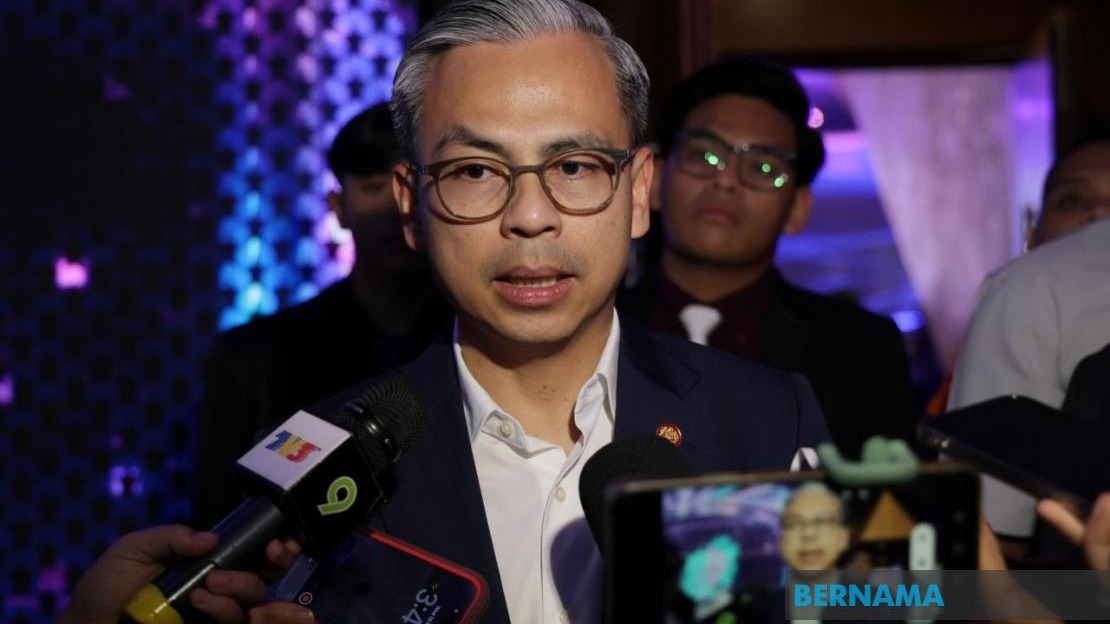
Photo: Bernama
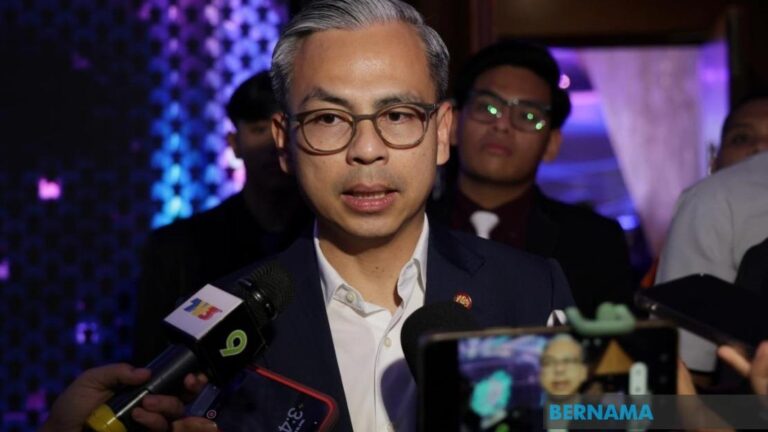
KUALA LUMPUR, November 23, 2026 — If your phone is too old for Malaysia’s new disaster Early Warning System (EWS), you will not be left in the dark: the familiar SMS alerts from the National Disaster Management Agency (NADMA) are staying, Communications Minister Datuk Seri Fahmi Fadzil has said.
“So, the SMS notification system is still in place, and NADMA can certainly implement it. It is already available now,” Fahmi told a press conference on Sunday after attending the closing ceremony of the MYReaders Lembah Pantai 2026 programme, Bernama reported.
He said the EWS, developed by the Malaysian Communications and Multimedia Commission (MCMC), would not replace existing warning mechanisms but would complement them, strengthening the way disaster information reaches the public.
A first look in Parliament today
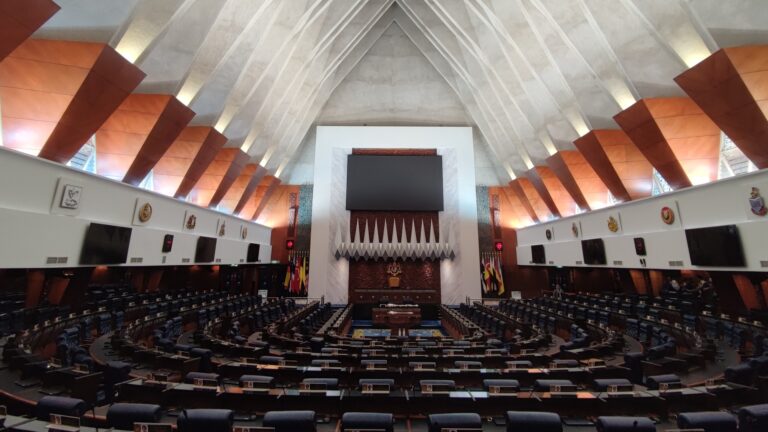
The system gets an early outing today. Fahmi said an initial EWS test would be carried out specifically at Parliament at about 1.30pm, so that Members of Parliament can see how the alerts appear on their own phones before explaining the system to their constituents.
A full-scale test is scheduled to run simultaneously nationwide on 29 November, with the exact time still to be confirmed.
Which phones can receive EWS alerts?
On 19 November, MCMC set out initial minimum device requirements, which it said remain subject to final technical confirmation:
- Apple iPhone: iPhone 11 and newer, running iOS 27.2 or later.
- Android: phones running Android 12 or later.
- Huawei: phones running EMUI 16 or later.
MCMC has advised users to install the latest software update available for their device, restart the phone afterwards and, where the option exists, make sure the Emergency Alerts setting is switched on.
Jargon buster: what is Cell Broadcast?
EWS runs on Cell Broadcast System (CBS) technology. Rather than sending a text to each phone number one by one, as SMS does, Cell Broadcast pushes a single message out from mobile towers to every compatible phone connected within a chosen geographic area, all at the same time. That is why it can be faster and more targeted in an emergency, and why users do not need to download an app, register or subscribe to anything to receive it.
The catch is that the phone itself has to support it, which is where the minimum software versions come in. SMS, by contrast, works on almost any handset, including older models, which is why keeping it as a backstop matters.
Sirens on the riverbanks
Fahmi also pointed to a third layer of warnings. In flood-prone areas, particularly along river corridors, the Department of Irrigation and Drainage (DID) has installed warning sirens as part of its preparedness measures, he said.
How we got here
EWS is being implemented by MCMC with NADMA, the relevant technical agencies and the telecommunications service providers. MCMC has said the aim is to strengthen the country’s ability to deliver emergency warnings in a faster and more targeted way.
On 19 November, MCMC held a briefing for chief editors and media representatives in Cyberjaya to introduce the system, which included an internal technical test at the MCMC building. MCMC said at the time that the internal test was meant to evaluate and improve the system ahead of wider implementation, and that larger-scale tests would follow in phases. It also said there would be no public test that day.
The rollout comes as the country heads deeper into the Northeast Monsoon season, when flood warnings matter most for families in low-lying and riverside areas.
What you can do now
Check your phone’s software version, install any pending update and look in your settings for Emergency Alerts. If your phone is older than the minimum requirements, the SMS alerts will still reach you.
What to watch
Watch for how today’s Parliament test goes, the confirmed time for the 29 November nationwide test, and whether MCMC finalises the device requirements or widens them to cover more older handsets.
Sources: Bernama; MCMC media statement, 19 November 2026.
About The Author






 Bria AI
 Professor Dato’ Dr. Ahmad Ibrahim

 Dr. Mohd Zaidi Md Zabri

 Bard AI