Why selectivity, not universality, is the key to economic growth
 Professor Dato’ Dr. Ahmad Ibrahim
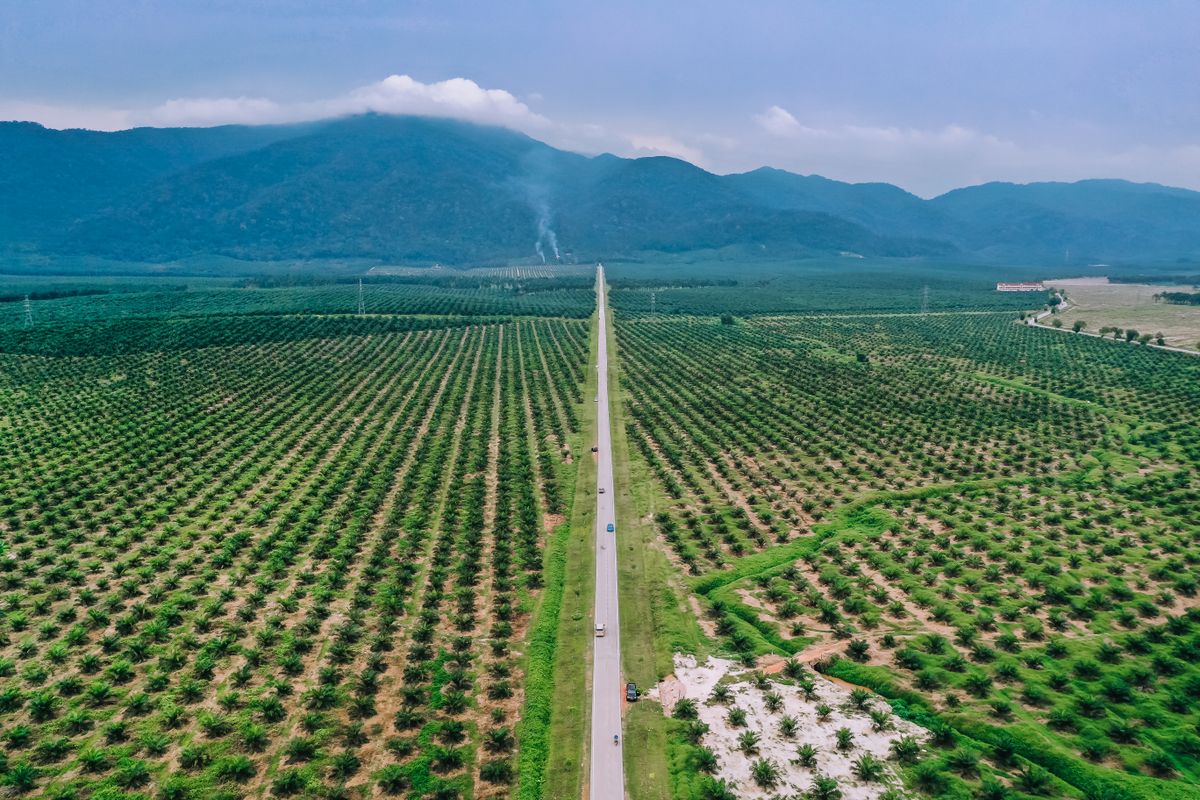
Photo: Pexels / Abdulaziz Hasan
In the crowded toolkit of economic policy, few instruments are as misunderstood—or as politically charged—as the subsidy. Critics dismiss them as market distortions; populists deploy them as blunt instruments of patronage. Yet the truth is more nuanced. A subsidy, when wielded with precision, is not a crutch but a catalyst. It can create jobs, attract investment, and generate value that markets alone might overlook. The operative word, however, is targeted.
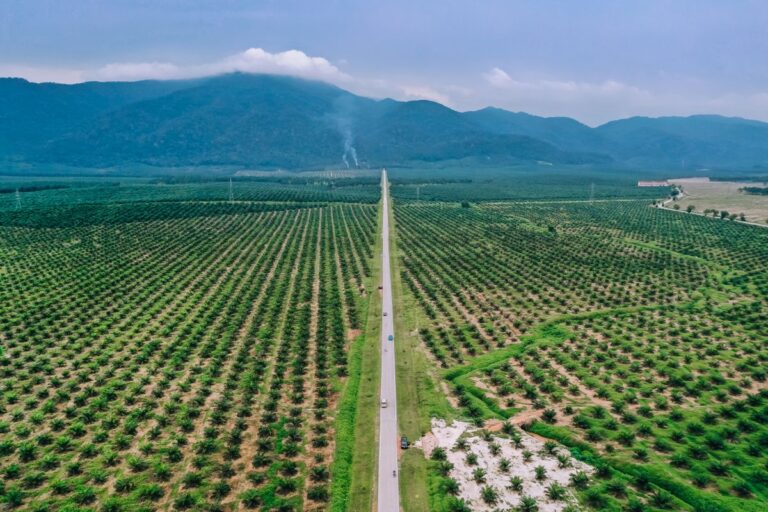
Consider the biofuel industry, particularly palm-oil-based biodiesel. Here is a case study in how a well-designed subsidy can ripple through an economy. By supporting biofuel production, governments do more than prop up an alternative energy sector. They create downstream demand for palm oil, stabilising prices for smallholder farmers who are otherwise at the mercy of volatile commodity markets. They attract investment in refining infrastructure. They generate rural employment. And they reduce dependence on imported fossil fuels—a strategic bonus in an era of energy insecurity.
In the case of palm biodiesel, Indonesia, as the largest world producer of palm oil, is ahead of Malaysia in implementing the palm biodiesel policy. Malaysia initiated the policy instrument. But Indonesia has taken the lead in the execution. Indonesia already has in place the B50 blend, while Malaysia struggles to move towards B15. The issue is subsidy. When petroleum diesel price is lower than palm diesel, the government has to subsidise production. For Indonesia, a net energy importer, the investment in biodiesel helps cushion the country’s energy insecurity. At the same time it creates an industry with all the positive economic ramifications. But more important, the action helps support a robust global palm oil price which also benefits Malaysia.
This is not to say subsidies are infallible. The same palm oil subsidy that benefits farmers can, if poorly managed, encourage deforestation, distort land use, or become a permanent entitlement that outlives its rationale. The difference between a smart subsidy and a wasteful one lies in three principles: purpose, conditionality, and exit strategy.
First, purpose. A subsidy must target a clear market failure or strategic goal—whether that is seeding a nascent industry, securing energy resilience, or stabilising rural incomes. Blanket subsidies to consumers, such as universal fuel discounts, often leak into higher prices or imports rather than building productive capacity. Targeted subsidies to producers, by contrast, can build supply chains and competitiveness.
Second, conditionality. Subsidies should be tied to performance—environmental standards, local employment quotas, or research and development milestones. Malaysia’s palm oil biofuel programme, for instance, works best when it rewards certified sustainable producers rather than volume alone. Conditionality turns a handout into a partnership.
Third, an exit strategy. Subsidies are not meant to be permanent. They are bridges to commercial viability. A sunset clause forces policymakers to evaluate whether the industry can stand on its own. Without it, subsidies become zombies—eating budgets while producing little.
The political economy of subsidies is equally important. When governments selectively support industries, they must resist the temptation to pick winners based on lobbying rather than merit. Transparency, independent audits, and public reporting are essential. Otherwise, the instrument that could build a biofuel boom becomes another vector for corruption.
So what should governments do? They should embrace subsidies as a legitimate tool—but wield them like a scalpel, not a sledgehammer. Prioritise sectors with positive spillovers: renewable energy, agricultural processing, vocational training, and small-business credit. Link every ringgit or dollar to measurable outcomes. And always ask: If we remove this subsidy tomorrow, would the industry survive and thrive? If the answer is no, the subsidy is not a bridge; it is a crutch.
In the end, the debate over subsidies is not about whether they work. It is about how they are designed. A targeted subsidy for palm-oil biofuel can lift farmers, power cars, and strengthen an economy. An untargeted one can do the opposite. The difference is not ideology—it is discipline. Governments that master that discipline will find subsidies to be one of the most potent instruments in their economic arsenal. Those that do not will keep paying for yesterday’s mistakes.
The author is affiliated with the Tan Sri Omar Centre for STI Policy Studies at UCSI University and is an Adjunct Professor at the Ungku Aziz Centre for Development Studies, Universiti Malaya. He can be reached at ahmadibrahim@ucsiuniversity.edu.my.
About The Author







 Dr. Mohd Zaidi Md Zabri

 Bard AI



 Ernie AI