
By Dr Muhammad Amir Yunus
When news emerged of a norovirus outbreak aboard the Caribbean Princess cruise ship recently, many Malaysians may not have paid much attention to it. Stomach bugs during travel are often assumed to be routine food poisoning or a minor inconvenience that passes after a day or two.
But the outbreak, which affected more than 100 passengers and crew members, serves as a useful reminder that not all gastrointestinal infections behave the same way, and not all can be prevented using the habits many of us became accustomed to during the Covid-19 pandemic.
Norovirus, sometimes referred to as the “vomiting bug”, is highly contagious and spreads very quickly in crowded environments such as cruise ships, hotels, schools, hospitals, and nursing homes. What makes it particularly challenging is that only a very small number of viral particles are needed to cause infection. A person may feel completely well in the morning, then suddenly develop intense vomiting and watery diarrhoea within a few hours.
For most healthy adults, the illness usually resolves within one to three days. However, the speed at which symptoms appear, combined with the risk of dehydration, can make the experience quite severe, especially for children, older adults, and individuals working or travelling in hot environments.
Although norovirus outbreaks are uncommon in Malaysia, increased international travel means imported cases are always possible. Cruise holidays are becoming more popular among Malaysians, particularly short regional routes involving Singapore, Phuket, Penang, or Langkawi. Large gatherings associated with Umrah, Hajj, and overseas winter travel also increase exposure to infections that may not be commonly encountered at home.
One reason norovirus often catches people off guard is because it behaves differently from the bacterial food poisoning that Malaysians are more familiar with. Bacterial infections caused by organisms such as Salmonella may involve fever, abdominal cramps, or blood and mucus in the stool, and symptoms can last several days. Norovirus, on the other hand, tends to arrive abruptly. Vomiting is often prominent, fever is usually mild or absent, and recovery is generally faster.
The other important difference is prevention.
During the Covid-19 pandemic, many people understandably developed the habit of relying heavily on alcohol-based hand sanitisers. While sanitisers remain useful for many infections, norovirus is more resistant because of its protective outer structure. Alcohol alone is often not enough to remove it effectively from the hands.
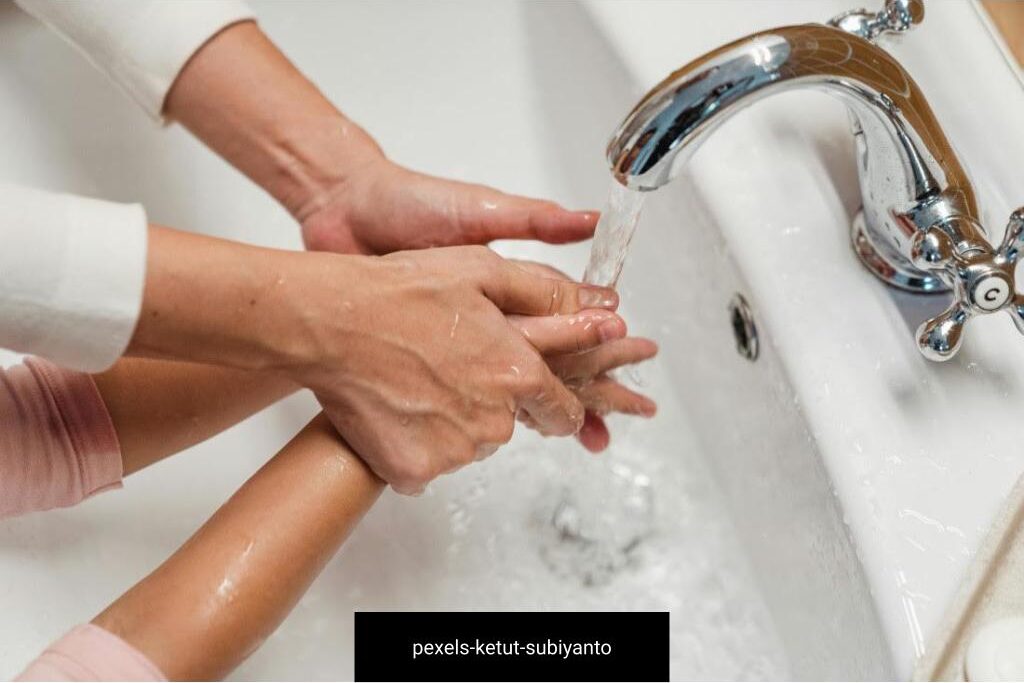
For norovirus, proper handwashing with soap and running water remains the most reliable defence. The process matters just as much as the soap itself because the virus needs to be physically washed away from the skin. This is particularly important before eating, after using the toilet, and when caring for someone who is unwell.
Cruise ships, unfortunately, provide ideal conditions for the virus to spread. Thousands of passengers share dining spaces, toilets, elevators, railings, and recreational facilities within relatively confined settings. The virus can spread through contaminated food, surfaces, direct contact with infected individuals, and even droplets released when someone vomits nearby.
This does not mean Malaysians should avoid cruises altogether. The risk can be reduced significantly through simple precautions. Travellers should prioritise handwashing, be cautious with raw or undercooked shellfish, avoid sharing utensils unnecessarily, and seek medical attention early if symptoms begin. Someone who develops vomiting or diarrhoea should avoid crowded dining areas and minimise close contact with others until fully recovered.
At home, the infection can continue spreading if proper cleaning measures are not taken. Norovirus is capable of surviving on surfaces such as taps, toilet handles, remote controls, and doorknobs for prolonged periods. Household members caring for an infected person should pay close attention to hygiene practices, especially in shared bathrooms and kitchens.
Hydration is also critical. Oral rehydration salts, readily available at Malaysian pharmacies, are generally more effective than sweet drinks or plain water alone in replacing lost fluids and electrolytes. Medical attention should be sought if a person is unable to keep fluids down, becomes unusually weak or confused, or develops signs of severe dehydration.
Importantly, antibiotics do not work against norovirus because it is caused by a virus, not bacteria.
At present, Malaysia has not reported any major norovirus outbreak. Still, awareness remains important, particularly as international travel continues to increase. Public health preparedness is not only about responding to large outbreaks, but also about understanding the small preventive measures that reduce transmission before situations escalate.
Sometimes, the most effective advice is also the simplest. In the case of norovirus, one lesson remains particularly relevant: soap and water still matter.

Dr. Muhammad Amir Yunus is a molecular virologist at the Pusat Kanser Tun Abdullah Ahmad Badawi (PKTAAB), Universiti Sains Malaysia (USM)
About The Author