New York Governor Signs Five-Year Ban on AI Chatbot Toys for Children
 Lee AI
 Rizal Omar
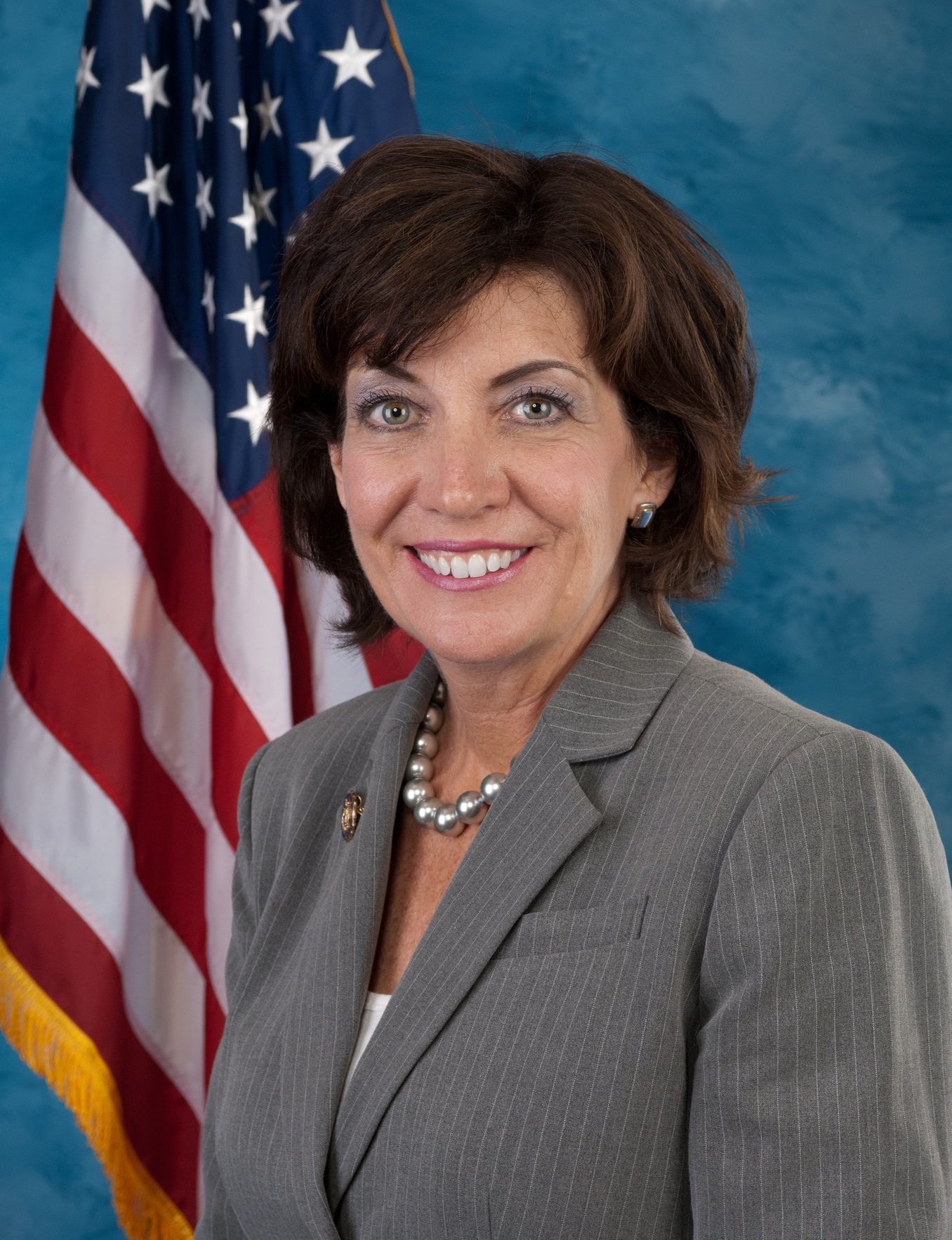
New York Governor Kathy Hochul, in an official congressional portrait. — Photo: US Congress, public domain
ALBANY, 24 November 2026 — New York Governor Kathy Hochul has signed a law imposing a five-year moratorium on the manufacture, distribution and sale in the state of children’s toys with embedded or integrated artificial-intelligence chatbots, including talking stuffed animals, dolls and internet-connected robots.
The measure, bills S.9408A and A.11144B, takes effect 90 days after signing, on February 22, 2027, and expires five years later. Because the ban will not be in force this holiday season, Hochul also urged parents and caregivers to think carefully before buying AI chatbot toys as gifts.
“Parents shopping for gifts for the holidays or any other occasion should not have to worry that dangerous chatbots disguised as toys could expose their children to inappropriate conversations, manipulate their feelings or put their privacy at risk,” she said in a statement from her office on Tuesday.
Violations can bring civil penalties of up to US$15,000 a day, to be enforced by the state attorney general. Attorney General Letitia James said her office would not hesitate to enforce the law, arguing that AI chatbots in children’s toys were exposing young people to inappropriate content and putting their mental health at risk.
The governor’s office cited testing by a national consumer watchdog of chatbot toys marketed to children aged three to 12. Some of the toys, it said, talked in depth about sexually explicit topics, told children where they might find matches in the home, and acted upset when a child had to leave. The toys had few or no parental controls, and safety limits weakened the longer a conversation continued. Some could record a child’s voice or scan their face.
A pause, not a permanent ban
State Senator Andrew Gounardes and Assemblymember Rebecca Kassay, who sponsored the legislation, described the moratorium as time to study the impact of the toys and to write stronger rules before they become more widely sold. Common Sense Media founder and chief executive James P. Steyer said the group’s research had found that the toys “aren’t safe for kids”, and he advised parents not to wait for the law to take effect before avoiding them this holiday season.
The signing builds on earlier New York measures aimed at children and AI, including a law Hochul signed in October that prohibits companies from offering certain unsafe chatbot features to minors, such as tools that foster emotional dependency, encourage self-harm or engage children in sexually explicit conversation. The governor’s office also pointed to the state’s SAFE for Kids Act, child data-protection rules, and a ban on AI-generated child sexual abuse material.
The new law is deliberately temporary. Supporters argue that a five-year pause is a more cautious response than an open-ended ban, because it forces the state to revisit the evidence and, if it wishes, to replace the moratorium with more detailed regulation. Critics of broad restrictions on AI products may argue that the measure could sweep up toys that have tighter controls, or that it will simply push sales to other states until February and again after the five years are up. The text signed on Tuesday is, however, clear on the core prohibition: manufacturing, distributing or selling internet-connected AI chatbot toys in New York will be unlawful once the 90-day clock runs out.
Hochul encouraged families, in the meantime, to look beyond a toy’s packaging and to ask whether it includes an AI companion, what information it collects, and whether it can hold an open-ended conversation with a child.
Because the moratorium starts only in February, retailers in New York may still sell the affected toys through the current holiday period. That gap is why Hochul, Common Sense Media and others have put as much weight on parental advice now as on the legal ban to come. Once the law is in force, the attorney general’s power to seek daily civil penalties is intended to make continued sales unattractive, even if a later legislature must still decide what permanent rules should replace the five-year pause.
Sources: Office of the Governor of New York; NBC News
About The Author




 Anna J



 Bard AI
 Azrul Rizal

 Mohd Nazhrieyan Jailani


 Bria AI