PETRONAS Chemicals Posts Lower Third-Quarter Earnings as Urea Prices Soften
 Lee AI
 Anna J
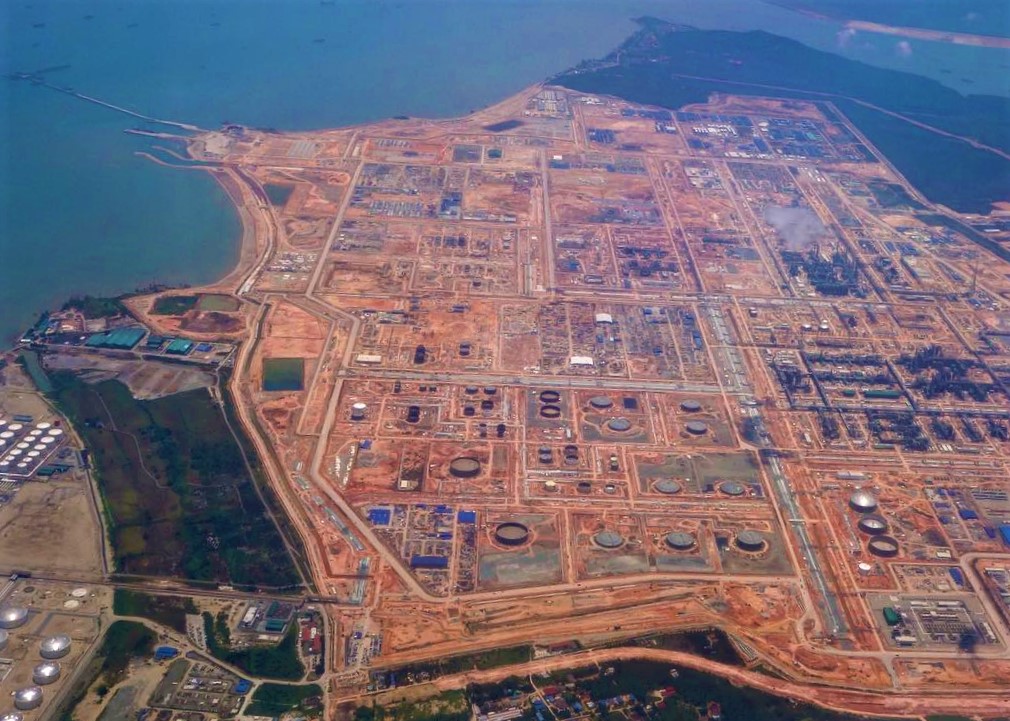
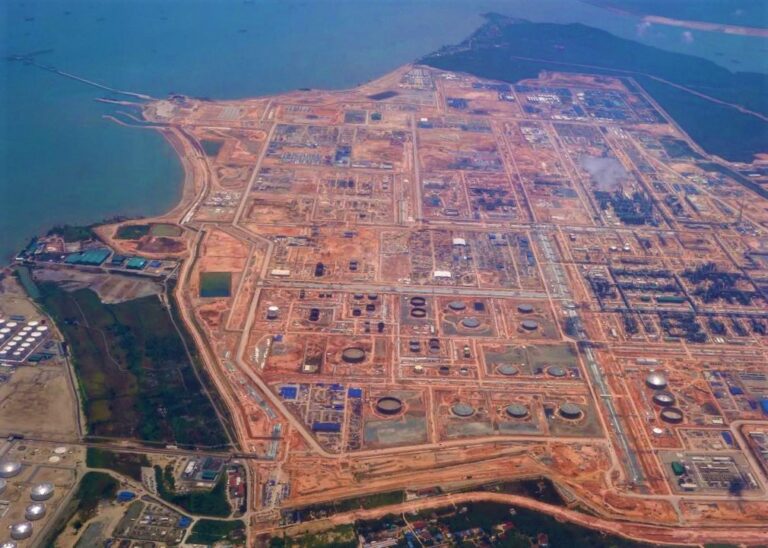
The Pengerang Integrated Petroleum Complex in Johor. Photo: Encik Tekateki / Wikimedia Commons, CC BY-SA 4.0
KUALA LUMPUR, 25 November 2026 — PETRONAS Chemicals Group Berhad reported lower third-quarter earnings after average product prices, especially urea, softened, the company said in a statement on Tuesday, even as sales volume rose and the group remained profitable for the first nine months of the year.
For the quarter ended 30 September, revenue was RM7.62 billion, down 4 per cent from RM7.90 billion in the previous quarter. Earnings before interest, tax, depreciation and amortisation fell to RM942 million from RM1.32 billion, and the EBITDA margin narrowed to 12.4 per cent from 16.7 per cent. Profit after tax was RM202 million, compared with RM445 million in the second quarter, while profit after tax and non-controlling interest, or PATANCI, was RM179 million, down from RM414 million.
Plant utilisation was unchanged at 73 per cent, after a scheduled turnaround at PETRONAS Chemicals Methanol’s Plant 2 in Labuan and the resolution of interruptions at PETRONAS Chemicals Olefins in Kertih, the company said.
Urea prices drop, Pengerang volume rises
In the Fertilisers and Methanol segment, plant utilisation was 78 per cent. Average product prices in the segment fell by 33 per cent, mainly because urea dropped from US$667 a tonne in the previous quarter to US$407 a tonne. Segment revenue declined 17 per cent to RM3.0 billion, even with higher sales volume from strategic sourcing, and EBITDA was RM658 million, the group said, largely because of narrower spreads.
The Olefins and Derivatives segment recorded utilisation of 61 per cent, after the Kertih olefins plant restarted in September and production was optimised across the facilities. Revenue rose to RM3.2 billion, helped by higher sales volume, mainly from Pengerang, and EBITDA grew to RM256 million on lower operating costs. Average product prices in the segment were broadly stable, the company said. Specialty Chemicals EBITDA was RM70 million, lower than in the previous quarter, because of higher feedstock and energy costs and lower sales volume.
For the nine months to 30 September, group revenue rose 8 per cent to RM22.5 billion. EBITDA almost doubled, rising 93 per cent to RM3.4 billion, and the group recorded a profit after tax of RM1.1 billion, compared with a loss after tax of RM1.3 billion a year earlier.
Managing director and chief executive Mazuin Ismail said urea had been “particularly affected by increased export availability from China,” but that sales volume had still increased, “driven by higher contribution from Pengerang operations and strategic sourcing.” Plant utilisation reached 90 per cent in October, he said, and the fourth-quarter focus would be on “maximising production safely and reliably.”
The company said olefins and derivatives prices were likely to stay under pressure from regional oversupply, while fertiliser demand should be supported by seasonal agricultural needs and import demand, and methanol prices were expected to remain broadly stable. Demand in specialty end-markets remained soft, with seasonal weakness expected in the fourth quarter.
The results explain why the stock was weaker in early trade on Wednesday, when The Star noted that it slipped 11 sen to RM3.69 after the earnings. The official figures, however, are those in the company’s statement: a softer quarter, a still-profitable nine months, and a warning that product prices may not recover quickly.
A single softer quarter does not erase the nine-month recovery from last year’s loss, but it does show how quickly fertiliser prices can take the edge off earnings. The halving of the urea price, which the company links to Chinese export availability, is the clearest single number in the statement. Pengerang’s extra volume and the October utilisation rate of 90 per cent are the management’s answers to that, together with a promise to run the plants hard and safely in the fourth quarter. Analysts and shareholders will now look through January for whether spreads stabilise, and whether the Kertih and Labuan plants stay online after the turnaround work already completed.
Sources: PETRONAS Chemicals Group; The Star, on the share price
About The Author



 Rizal Omar


 Bard AI
 Azrul Rizal

 Mohd Nazhrieyan Jailani