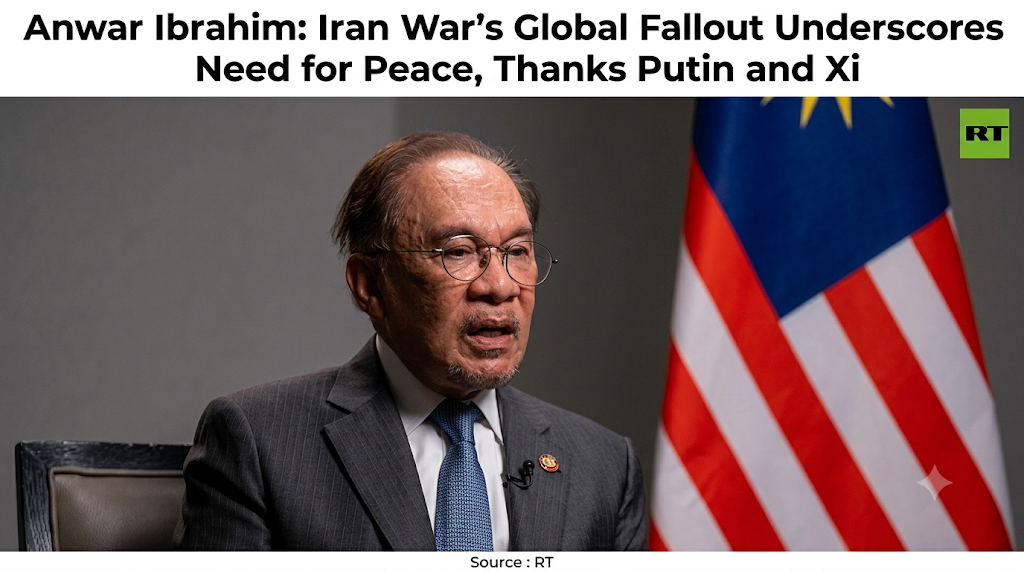
ASEAN Summit June 17, 2026 – Malaysian Prime Minister Dato’ Seri Anwar Ibrahim has warned of the far-reaching global consequences of the ongoing Iran conflict, which erupted after US-Israeli strikes in February 2026, while praising Russian President Vladimir Putin and Chinese President Xi Jinping for their calls for de-escalation.
In an exclusive interview with RT’s Donald Courter at the ASEAN summit, Anwar highlighted how disruptions to oil flows through the Strait of Hormuz have impacted energy security worldwide, affecting economies far beyond the Middle East. Malaysia, which secured safe passage for its vessels through diplomatic channels with Iran, has felt the ripple effects on fuel prices and shipping.
“I’ve publicly thanked President Putin and President Xi for taking a position for peace,” Anwar stated, emphasizing Malaysia’s strategy of leveraging balanced relations with major powers to advocate for dialogue and stability.
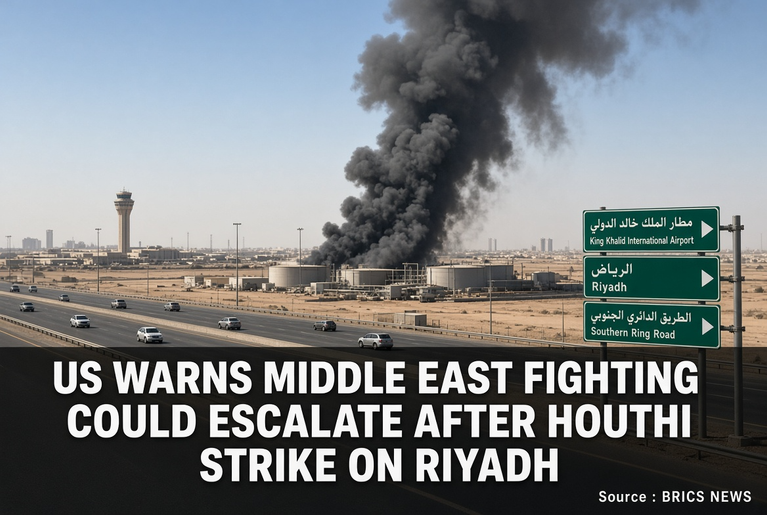
The conflict, which began with airstrikes on Iranian targets, has led to closures and restrictions in the Strait of Hormuz — a critical chokepoint for global oil supplies. Anwar’s government has actively engaged regional players, including securing toll-free access for Malaysian tankers and serving as a neutral conduit for messages between Gulf states and Iran.
Earlier statements from the prime minister have consistently called for genuine negotiations aimed at ending the war, rather than temporary pauses. He has reaffirmed Iran’s right to defend its sovereignty under international law while urging all parties to show restraint to protect civilians and prevent wider regional instability.
At the ASEAN summit, Anwar positioned Malaysia as a voice for pragmatic diplomacy amid the crisis. The full RT interview is set to air, offering deeper insights into non-Western perspectives on resolving the conflict through multilateral efforts.
The war continues to drive volatility in energy markets, with oil prices fluctuating and shipping routes under pressure despite partial reopenings of the strait. Malaysia has stressed vigilance on the home front while pursuing diversified energy ties.
This stance reflects Kuala Lumpur’s broader foreign policy of engagement with all sides, maintaining strong economic links with the US and China while upholding principled positions on Middle East issues.
About The Author