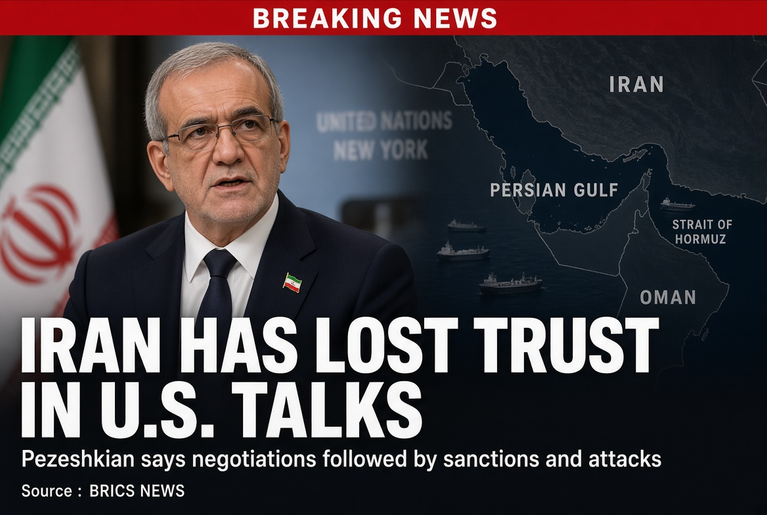
TEHRAN June 26, 2026 — Tensions between the United States and Iran surged anew on Friday after Tehran pledged a strong retaliation to reported U.S. military strikes on its facilities, following an Iranian drone attack on a commercial vessel in the Strait of Hormuz the previous day.
Iranian officials stated the country would respond “swiftly and decisively” to the U.S. attacks, which targeted missile and drone storage sites as well as coastal radar installations. The strikes came in direct retaliation for Iran’s launch of one-way attack drones against maritime traffic in the vital waterway.
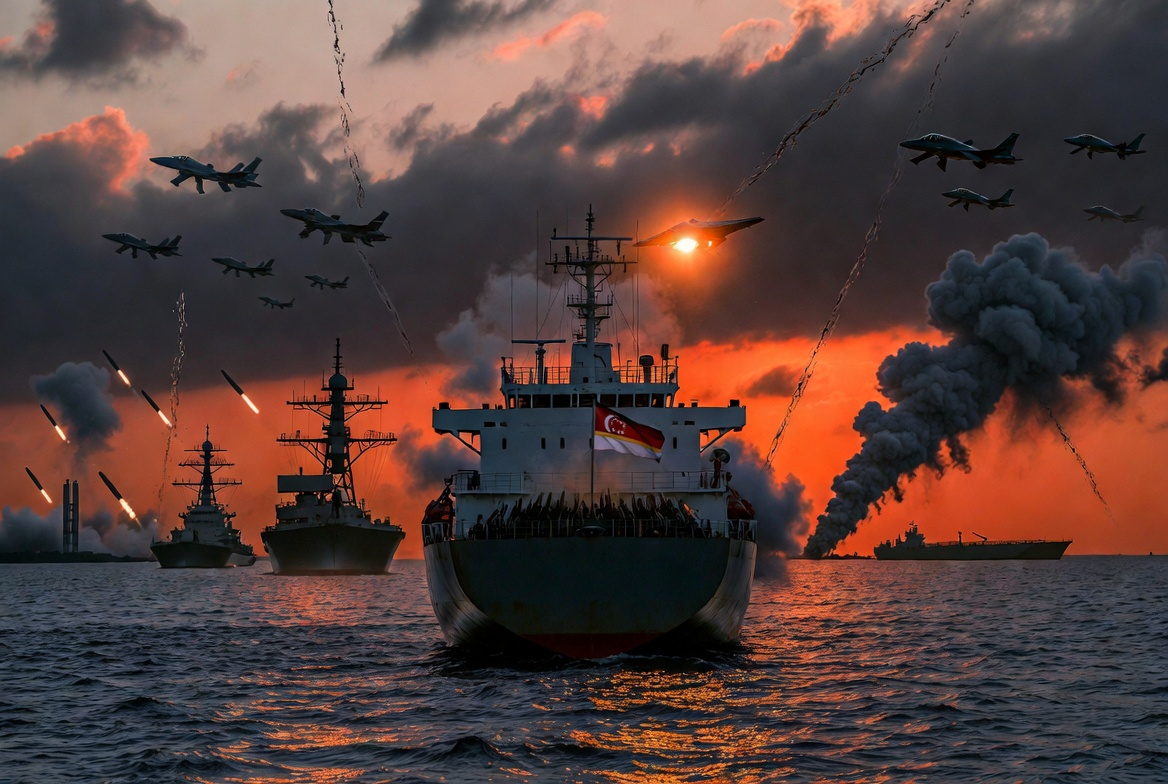
A Singapore-flagged container ship, the Ever Lovely (operated by Taiwan’s Evergreen Marine), was struck on its upper deck by a drone on June 25, sustaining damage but continuing its voyage toward the Gulf of Oman. U.S. forces intercepted three other drones. Officials attributed the attack to Iran’s Islamic Revolutionary Guard Corps (IRGC), though Iran has not publicly claimed responsibility.
The incident marks the first major violation of a fragile U.S.-Iran memorandum of understanding signed on June 17, 2026. That agreement, reached after months of intense conflict that began with major U.S.-Israeli strikes on Iran in late February, called for an immediate cessation of hostilities, reopening of the Strait of Hormuz, and a 60-day window for further negotiations on Iran’s nuclear program and sanctions relief.
The broader 2026 Iran war had already caused significant disruption to global oil flows, as the Strait of Hormuz — through which roughly 20% of the world’s seaborne oil passes — became a focal point of brinkmanship. Iran had previously threatened shipping and imposed restrictions, prompting U.S. commitments to ensure freedom of navigation.
Hours before the ship attack, Iranian officials warned that safe passage through the strait required coordination with Tehran and could not be guaranteed on unsanctioned routes. The UN maritime agency paused its escort and evacuation operations for stranded seafarers following the strike.
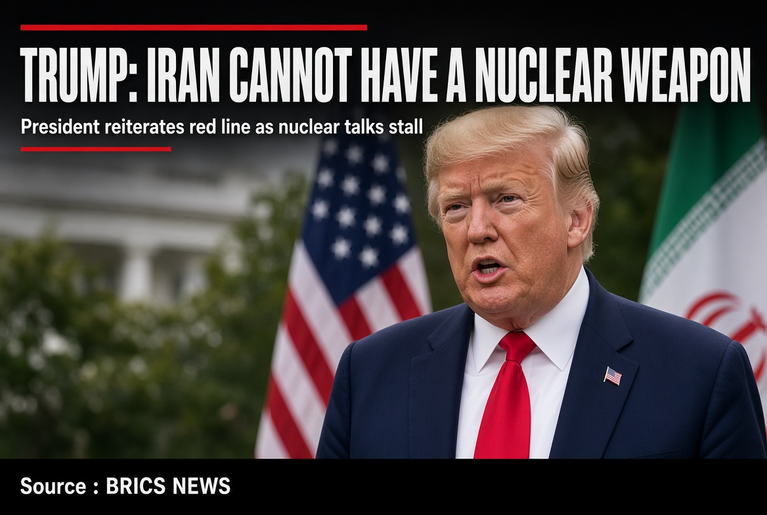
President Donald Trump publicly accused Iran of violating the ceasefire, describing the drone assault as a “foolish” act. U.S. Central Command confirmed strikes on Iranian targets to neutralize ongoing threats to commercial shipping.
The escalation risks derailing diplomatic efforts and reigniting wider regional conflict involving proxies in Lebanon and elsewhere. Oil markets, already sensitive, face renewed volatility amid fears of disrupted energy supplies.
No immediate casualties were reported from the latest strikes, but the situation remains fluid. International calls for restraint are growing as both sides signal readiness for further action.
This developing story is being closely monitored for potential impacts on global trade, energy prices, and ongoing ceasefire negotiations.
About The Author