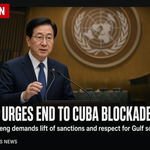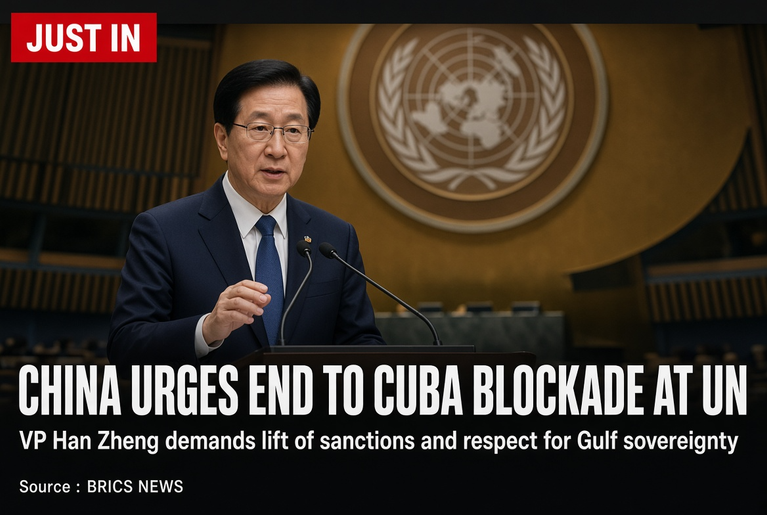
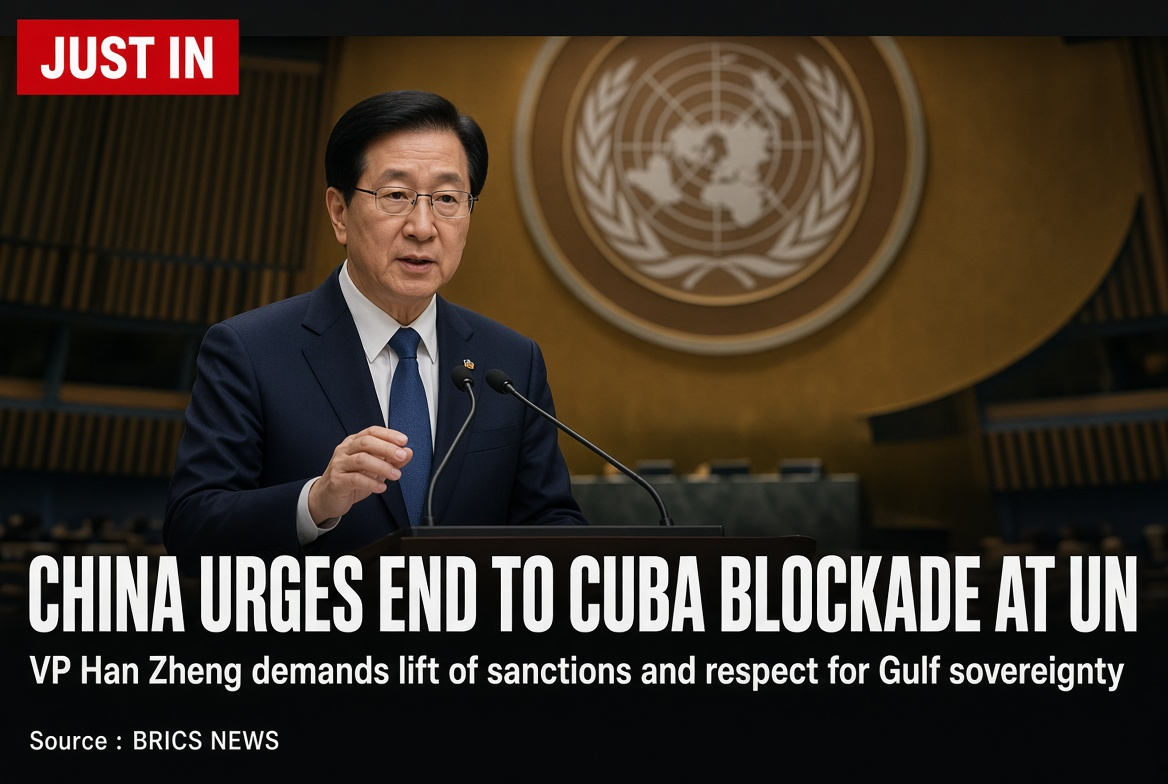
NEW YORK Sept 26, 2026 — Chinese Vice President Han Zheng used China’s address to the 81st UN General Assembly on Saturday to press for an immediate end to the U.S. embargo on Cuba and to demand that the sovereignty of Middle Eastern and Gulf states be respected, delivering a pointed message one day after President Xi Jinping left Washington.
Han did not name the United States. He referred instead to a “relevant country.”
“China urges the relevant country to immediately stop using the threat of force against Cuba and immediately and completely lift the blockade and sanctions against Cuba,” he said.
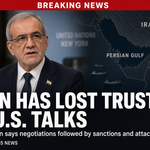
On the Middle East, he added: “China holds that the sovereignty and security of countries in the Middle East, including the Gulf, should be respected.” He also called for disputes to be settled through dialogue and opposed “unilateral military actions that violate the UN Charter and circumvent Security Council authorization.”
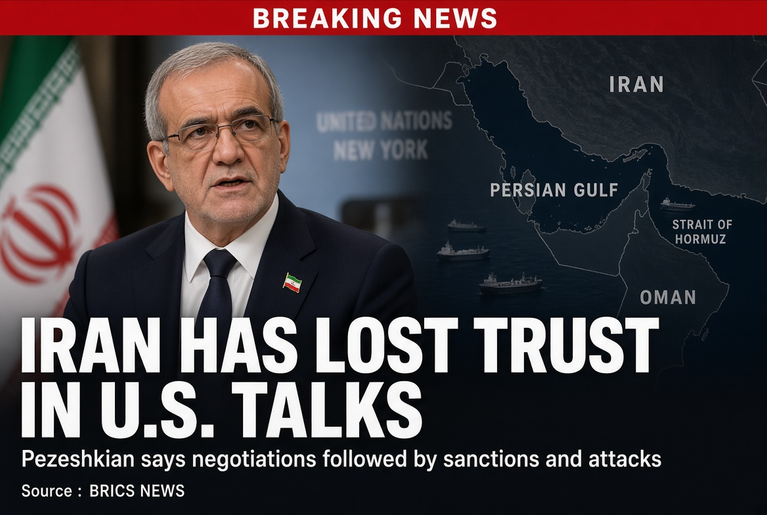
The remarks landed against a tense backdrop. A U.S.-Israeli campaign against Iran has been underway since strikes in February. Washington has also tightened pressure on Cuba, including steps that have sharply restricted oil deliveries. Cuba’s power grid collapsed earlier this month, leaving millions without electricity.
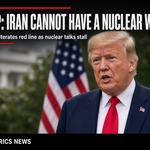
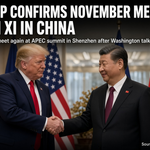
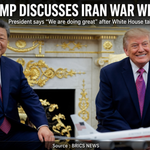
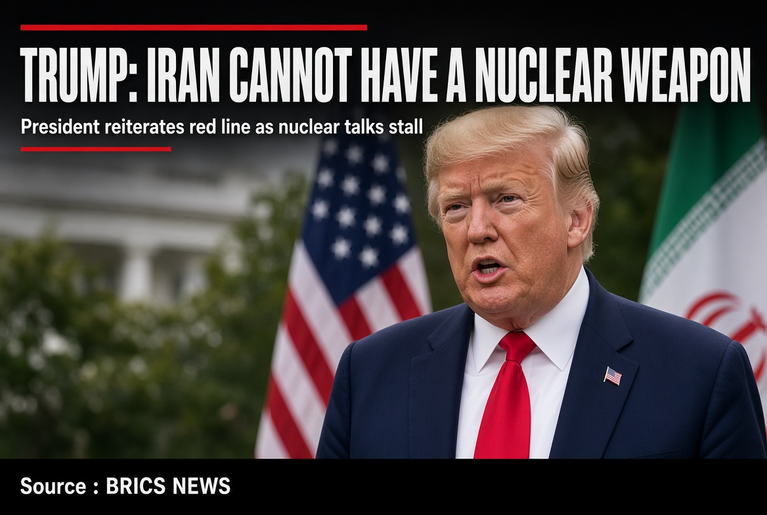
The speech followed Xi’s three-day state visit to Washington from September 23 to 25, which included a White House arrival ceremony, a state dinner, and a visit to the National Archives. During those talks, President Donald Trump warned Xi against support for Iran; U.S. officials said they received assurances China would not provide it.
Han’s language on Cuba was explicit. His language on Iran was more indirect: a call to respect Gulf sovereignty rather than a demand that sanctions on Tehran be lifted. Some social-media posts framed the speech as a joint call to lift U.S. sanctions on both Iran and Cuba. The official text was narrower.
The rest of the address stayed on familiar Chinese themes: defending the postwar UN-centered order, returning the Palestinian question to a two-state track with “Palestinians governing Palestine,” citing Xi’s “four points” on Ukraine, and criticizing protectionism while promoting development and the Global South.
Cuba’s foreign minister, Bruno Rodríguez Parrilla, later thanked Han for demanding a full end to the blockade and for urging an end to threats against the island.
The contrast is the story: a lavish Washington welcome for Xi, then a UN speech in which Beijing restated its objections to U.S. pressure on two longtime partners without naming Washington at all.
About The Author