By Professor Dato Dr Ahmad Ibrahim
There was a time when the very word “Malaysia” was synonymous with the rhythmic slicing of rubber bark. We didn’t just tap trees; we wrote the global playbook on agri-commodities. From the legendary RRIM (Rubber Research Institute of Malaysia) to the groundbreaking work on Hevea breeding, Malaysia once led the world not just in production, but in thought. Most of the happenings on world rubber were here.
When the oil palm emerged as the golden child, we used the same model of tripartite consultation—upstream, downstream, government—to build a vegetable oil empire. But somewhere along the way, we abandoned the rubber tree. The result is stark: a former global number one now languishing at 10th place, with fragmented smallholders fighting for scraps while the world spins fables about “sustainability” that conveniently ignore the virtues already present in natural rubber. If we want to revive this industry, we must stop romanticizing the past and start weaponizing its potential for the future. Here is the roadmap. First, stop treating rubber as a commodity; treat it as a carbon sink strategy.
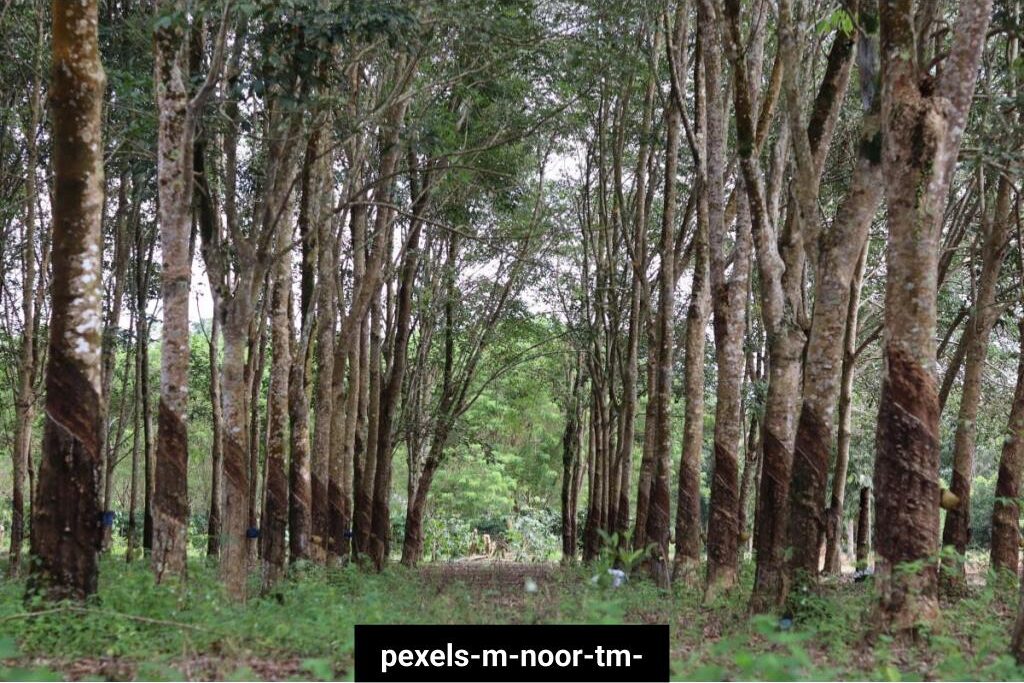
The world is obsessed with “nether”—net zero, green growth, ESG. Yet, synthetic rubber is a fossil fuel derivative. Natural rubber is a renewable polymer that sequesters carbon. The average rubber tree absorbs CO2 while producing latex. Malaysia is sitting on hundreds of thousands of hectares of aging, low-yielding rubber estates. Instead of ripping them out for durian or oil palm, we need to certify these smallholdings as carbon farms. Pay the smallholder not just for latex, but for keeping the canopy alive. We need a Malaysian Green Rubber Credit that Tesla and Nike can buy to offset their petrochemical sins.
Second, break the smallholder’s cycle of poverty through “Nano-Milling.” The dominant narrative is that smallholders are inefficient. That is false. They are disorganized. The old Rubber Industry Smallholders Development Authority (RISDA) model is broken—it distributes subsidies, not technology. We need to introduce mobile, shared “nano-milling” units that process latex into concentrated high-value skim blocks or technically specified rubber (TSR) right at the village level. Currently, smallholders sell cuplumps at rock-bottom prices because they lack processing power. Give them a cooperative-owned micronized rubber powder mill. Suddenly, the farmer’s margin triples because he is selling a standardized industrial feedstock, not a muddy clot.
Third, resurrect the R&D moat, but this time for elastomer engineering. We lost our edge because we stopped innovating. Japan and Germany eat our lunch in high-value rubber goods (aircraft tires, seismic bearings, medical gloves). Malaysia still exports raw rubber. We need a “Rubber 2.0” National Innovation Cluster. Focus on deproteinized natural rubber for allergy-free medical devices. Focus on epoxidized natural rubber (ENR) for high-performance, silent electric vehicle tires. Focus on blending natural rubber with graphene for smart sensors. The R&D doesn’t need to be in a sterile lab in Kuala Lumpur; it needs to be in the smallholdings of Kedah and Johor, using AI to measure latex flow and predict yield stress.
Fourth, weaponize the “sustainability” hypocrisy. The European Union’s deforestation regulation (EUDR) is a nightmare for palm oil. For rubber, it is an opportunity. Because unlike coffee or cocoa, a rubber tree is a forest in agricultural form. We need a national marketing campaign aimed at tire giants (Michelin, Goodyear, Bridgestone) that rebrands Malaysian rubber as “Jungle-Friendly Latex.” We must insist that any tire that uses petrochemical synthetic rubber cannot be labeled “green.” Malaysia must lobby for a tax on synthetic rubber based on its crude oil volatility, and funnel that tax into subsidizing natural rubber prices.
Finally, fix the generational disconnect. Young Malaysians don’t want to be tappers. But they might be drone operators, bio-engineers, or digital traders. We need to rebrand the upstream sector. Create a “Rubber Tech” diploma where youth learn to operate yield-monitoring sensors and manage micro-forests. Abolish the old Tapping System and replace it with a “Stimulation & Harvest” protocol that uses ethylene to boost yield without cutting the tree daily. If we don’t make rubber farming look like a tech job by 2026, there will be no tappers left.
Malaysia didn’t fall from number one because oil palm was superior. We fell because we assumed rubber was a sunset industry. But in a world choking on plastic and synthetic micro-particles, natural rubber is a sleeping giant. We have the smallholders. We have the climate. We have the legacy infrastructure. What we lack is the audacity to disrupt our own failed revival plans. Stop asking Brussels for permission to be sustainable. Start reminding the world that natural rubber was green before green was cool. Tap the tree. But this time, tap into the intelligence that made us great.
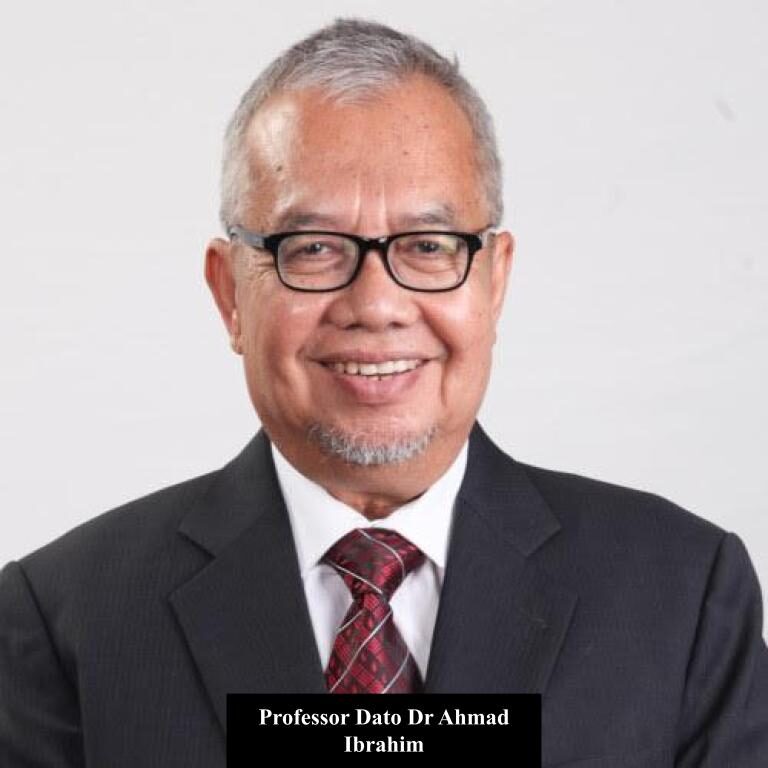
The author is affiliated with the Tan Sri Omar Centre for STI Policy Studies at UCSI University and is an Adjunct Professor at the Ungku Aziz Centre for Development Studies, Universiti Malaya.
About The Author