By: Professor Dato Dr Ahmad Ibrahim
Governments have built vast bureaucracies and spent trillions of dollars ensuring that a disruption to energy supplies doesn’t plunge their populations into darkness, or that a drought doesn’t lead to famine. We have accepted the premise that food, water, and energy sovereignty are the bedrock of a stable nation. Yet, as we witness the volatility of the Gulf region—we are forced to confront a stark reality: a nation can have full bellies and illuminated streets, yet still be just one broken supply chain away from catastrophe. The recent international conference on pharmacy at UCSI University pulled the fire alarm on a crisis that has, for too long, been ignored: medicine security.
For a vast number of countries, the concept of pharmaceutical self-sufficiency is a myth. They import not just 100% of their finished medicines, but the active pharmaceutical ingredients (APIs) and raw materials needed to manufacture them. In the event of a pandemic, a geopolitical blockade, or a simple trade dispute, the medicine cabinet of an entire nation goes empty. We have spent decades optimizing the pharmaceutical supply chain for efficiency and low cost, primarily concentrating manufacturing in a handful of hubs. But we forgot to optimize for resilience. If the current conflicts in the Gulf have taught us anything about energy, it is that dependency is a vulnerability that can be exploited. What happens when the disruption is about insulin vials, cancer therapeutics, or the antibiotics that turn a routine surgery from a life-saving procedure into a death sentence?
We saw the fragility of this system during the COVID-19 pandemic, when nations turned on each other, hoarding masks and ventilators. Yet, even as the memory of that panic fades, the underlying structural weakness remains. We are sleepwalking into a future where our health is determined not by the quality of our doctors, but by the stability of a port halfway across the world.
However, there is a parallel path forward—one that has been trodden successfully by nations like China and India: the integration and development of traditional medicine. For too long, the Western model of healthcare has dismissed traditional medicine as folklore or pseudoscience, unworthy of the rigor of modern investment. But China and India have taken a different, more pragmatic approach. They recognize that true security is not about choosing between modern and traditional; it is about leveraging all available assets.
China has systematically invested in the research and development of Traditional Chinese Medicine (TCM), integrating it into their national health system and industrial policy. India has similarly promoted Ayurveda, not merely as a cultural artifact, but as a thriving industry and a strategic asset. These nations are not abandoning modern pharmaceuticals; rather, they are building a dual-layered system of security. By developing their traditional medicine sectors, these countries create indigenous supply chains. They cultivate medicinal plants on domestic soil, developing manufacturing capabilities for herbal formulations, and—crucially—building the scientific evidence base to validate efficacy. This about autonomy, not nostalgia. In the context of national security, traditional medicine becomes something far more utilitarian. If a blockade cuts off the supply of a specific synthetic API, a nation with a robust traditional medicine sector has alternatives. It has an industry capable of production, a workforce trained in preparation, and a populace with a baseline of trust in domestically produced remedies.
Every country that imports 100% of its medicine is effectively outsourcing its public health sovereignty. We look at the Gulf and see the risk of economic collapse due to energy dependence; why do we not see the same risk for medical collapse due to pharmaceutical dependence? It is time for governments to broaden their definition of critical infrastructure. We need a Manhattan Project for medicine security. This must include: Strategic stockpiles: Not just of finished goods, but of APIs and raw materials. Incentives to bring generic drug production back within borders, or at least to allied nations. Treating traditional medicine as a strategic industry. This means funding research, standardizing production, and integrating safe, effective traditional remedies into national health formularies.
Sovereignty in the 21st century is no longer just about the ability to defend borders or control oil fields. It is about the ability to ensure that when a crisis hits, a citizen can get the medicine they need to survive—whether that pill comes from a multinational corporation or a local pharmacopoeia developed over centuries. The nations that recognize this will not only protect their populations from the whims of global supply chains; they will define what true resilience looks like in a volatile world. For those that don’t, the prescription for survival will remain perpetually out of stock.
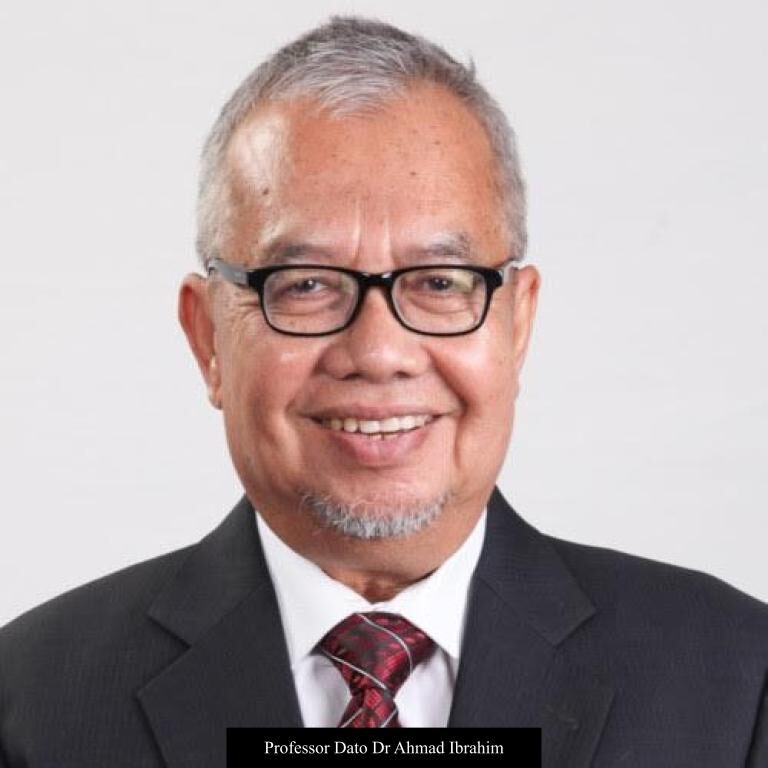
The author is affiliated with the Tan Sri Omar Centre for STI Policy Studies at UCSI University and is an Adjunct Professor at the Ungku Aziz Centre for Development Studies, Universiti Malaya.
About The Author