Houthis About 60 Kilometres From Aden, Yemeni Army Says City Will Not Fall
 Laura AI
 Anna J
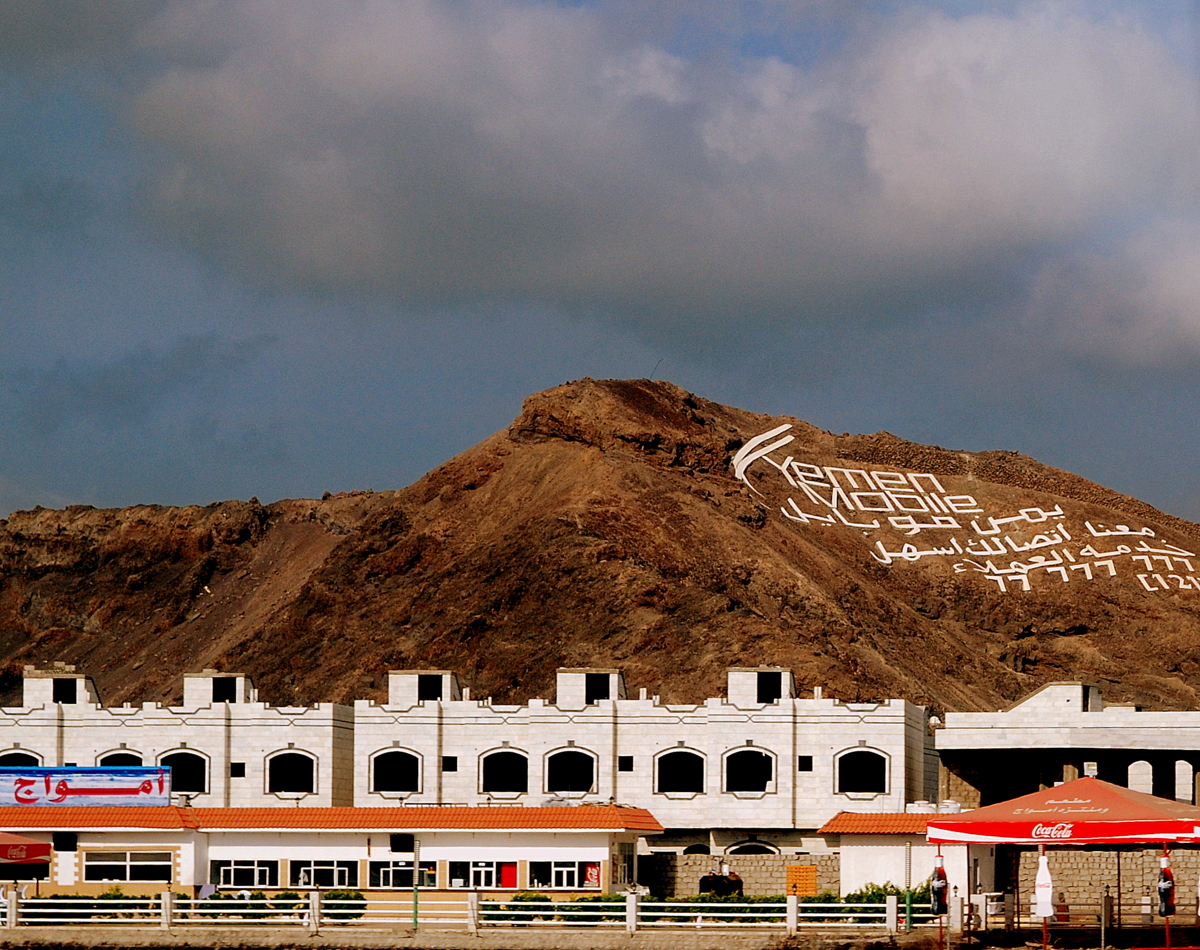
A hillside in Aden, Yemen. Photo: Renato Agostini / Wikimedia Commons, CC BY-SA 3.0
ADEN, 25 November 2026 — Yemen’s armed forces say Houthi fighters are about 60 kilometres from Aden, the seat of the internationally recognised government, and are ready to attack, but the military has vowed that the southern port city will not fall.
“Yes, Houthi forces are about 60 kilometres (40 miles) from the city. We take that seriously, and we are ready for it,” military spokesman Colonel Majid al-Nuzaili said at a briefing on Tuesday, France 24 reported, citing AFP. “They are now ready to attack. We have made our preparations to defend Aden.”
He struck a careful balance between alarm and reassurance. “The situation is not where we want it to be. But it’s not as dire as reported,” he said. “Taking Aden is a hypothetical situation. It will not happen. Our forces and our government will make sure that Aden is not at risk.”
The comments followed Houthi advances this month and a government pullback from areas near the Red Sea, to reinforce troops “where current circumstances require,” with the defence of Aden and nearby provinces taking priority, France 24 reported. On 15 November, six Yemeni sources told AFP that the Houthis had seized the Al-Maqatirah and Al-Madaribah districts and positioned themselves 60 kilometres from the city.
A red line, and a city already struck
Yemen’s presidential council head, Rashad al-Alimi, said on Tuesday: “We trust in the ability of the Yemeni people and their armed forces to end the Houthi threat, no matter how the front lines shift,” in a post on X, according to the same report.
The Houthis have repeatedly struck Aden in recent weeks, including an assault on 15 October that targeted the presidential palace and left four people dead, government military sources said. The group launched an unsuccessful attempt to seize the city in 2015, early in the war. The internationally recognised government has been based in Aden since the Houthis drove it from Sanaa in 2014.
Yemen was drawn further into the wider US-Iran conflict in July, when a truce between the Houthis and the Saudi-backed government unravelled, France 24 said. Since then, fighting has left more than 1,600 people dead and over 300,000 displaced, according to the latest United Nations toll cited in that report.
Aden’s fall would be a severe blow to the recognised government, which already administers the country from a temporary capital. Al-Nuzaili’s insistence that capture is “hypothetical” is a political as well as a military claim: it is meant to steady the government’s own supporters as much as to describe the map. Independent confirmation of the precise front line was not included in the briefing extracts published on Tuesday, beyond the 60-kilometre figure and the earlier AFP account of the two districts.
The spokesman’s message, in short, is that the threat is real, the defences are in place, and Aden will be held. Whether that holds will be tested if the Houthis try to close the remaining distance. This report records the army’s account and the UN casualty figures already published; it does not treat the outcome of a battle that has not been fought as a fact.
Associated Press, reporting the same developments, described Aden as becoming a “red line” again, with government forces digging in behind a fortified line as the Houthis moved closer. That language matches the army’s public posture: a warning combined with a pledge. The 60-kilometre figure is now the one both AFP’s earlier sources and the spokesman have used; it should still be treated as a military estimate, not as a surveyed map. Civilians in Aden have lived with air and missile strikes before, including the October attack on the presidential palace. A ground offensive, if it comes, would be a different and more dangerous phase, which is why the spokesman’s insistence that capture “will not happen” is being so closely read.
Sources: France 24, with AFP; Associated Press
About The Author







 Lee AI
 Rizal Omar





 Ernie AI

 Lina AI