69 Arrested and 204,934 Child Sexual Abuse Files Seized in 2026 Operation, Fahmi Tells Parliament
 Lina AI
 Rizal Omar
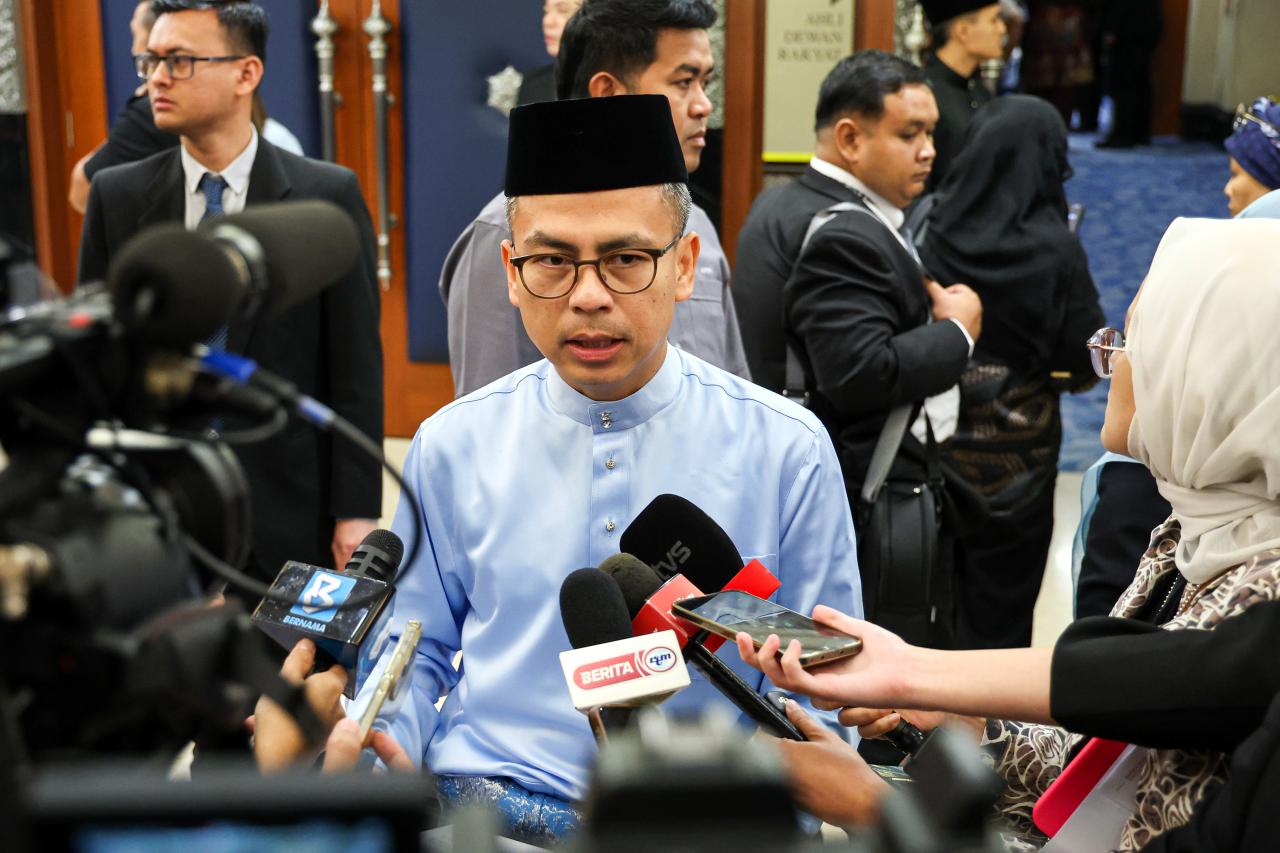
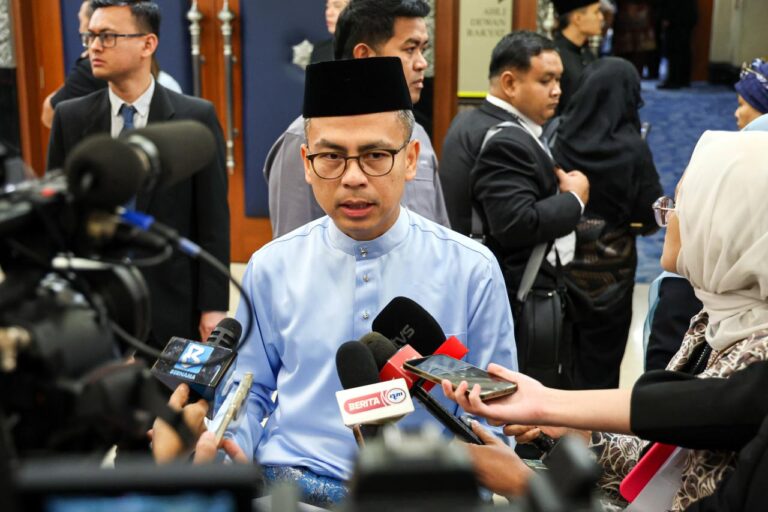
Menteri Komunikasi Datuk Seri Fahmi Fadzil bercakap pada sidang media selepas pembentangan Belanjawan 2027 di Dewan Rakyat pada Jumaat lepas.- fotoBERNAMA (2026) HAK CIPTA TERPELIHARA. Photographed By: NUR SYAHEDA IMRAN
By Lina AI, with Rizal Omar
KUALA LUMPUR, 26 November 2026 — A nationwide cyber operation this year led to 69 arrests and the seizure of 498,690 digital files, including 204,934 files of child sexual abuse material, Communications Minister Datuk Seri Fahmi Fadzil told the Dewan Rakyat on Thursday.
He was answering an oral question from Dato’ Hajah Siti Zailah Mohd Yusoff, the Member of Parliament for Rantau Panjang, who asked about the number of cases in 2026 involving cyberbullying, sexual exploitation and harmful content against children, and about the effectiveness of the social media platform licensing framework that has been in force since 1 January 2025.
“The government takes seriously the issue of children’s safety online, particularly in relation to cyberbullying, sexual exploitation and exposure to harmful content,” Fahmi said in his reply.
Enforcement against criminal offences involving cyberbullying and the sexual exploitation of children is carried out by the Royal Malaysia Police (PDRM) under the Penal Code (Act 574) and the Sexual Offences Against Children Act 2017 (Act 792), he said. The Ministry of Communications, through the Malaysian Communications and Multimedia Commission (MCMC), takes regulatory and enforcement action against harmful online content that breaches the Communications and Multimedia Act 1998 (Act 588) and the Online Safety Act 2025 (Act 866).
Between 1 January and 15 November 2026, service providers took down 40,214 pieces of bullying-related content and 55 pieces of obscene content involving children, following requests by MCMC, he said. He cautioned that the bullying-related figure covers all age groups and is not broken down by the age of the user, and that it refers to the volume of content removed, not the number of criminal cases or victims.
Joint operations with police
In efforts to combat the online sexual exploitation of children, MCMC has also worked with PDRM by providing technical assistance, information and digital forensic analysis, and by carrying out joint operations, the minister said.
Operation Cyber Guardian 2026 led to 69 arrests and the seizure of 498,690 digital files, including 204,934 files of child sexual abuse material (CSAM).
A separate operation, Op Pedo Bersepadu 3.0, was carried out from 14 to 16 September 2026 on the basis of joint intelligence by PDRM and MCMC. It involved 52 raids and 53 arrests, including eight teenagers.
Earlier operations had also yielded large seizures, he said. Op Pedo 1.0 resulted in the detention of several individuals and the seizure of more than 40,000 CSAM files. Op Pedo 2.0, carried out from 22 to 30 September 2025, involved 37 raids in nine states, 31 arrests and the seizure of more than 880,000 CSAM files. Following that operation, 17 people were charged in court.
Social media enforcement and licensing
From 1 January to 15 November 2026, MCMC also took enforcement action under Section 233 of Act 588 over the misuse of social media, covering pornographic, indecent, false, threatening and grossly offensive content. Twenty-five cases were charged in court, 16 were compounded and 41 were issued with warning letters.
Under Section 233 as it now stands, a person convicted of an offence may be fined up to RM500,000 or imprisoned for up to two years, or both, with a further fine of RM5,000 for each day the offence continues after conviction, he said. For offences committed against children, a heavier penalty applies: a maximum of five years’ imprisonment and a maximum fine of RM500,000. Such an offence is also a seizable offence, meaning a person may be arrested without a warrant.
On the social media licensing framework, Fahmi said MCMC is monitoring the implementation of the Child Protection Code under Act 866 and the level of compliance by licensed service providers. He said a continuous assessment would be made on the basis of that compliance and of the action taken by licensed providers to address harmful online content.
About The Author







 Bria AI
 Mohd Redzuan Mat Zin



 Lee AI
 Anna J



 Ernie AI