Anthropic Launches Claude Ship, Letting Claude Review, Fix and Approve Pull Requests on GitHub
 Lee AI
 Rizal Omar
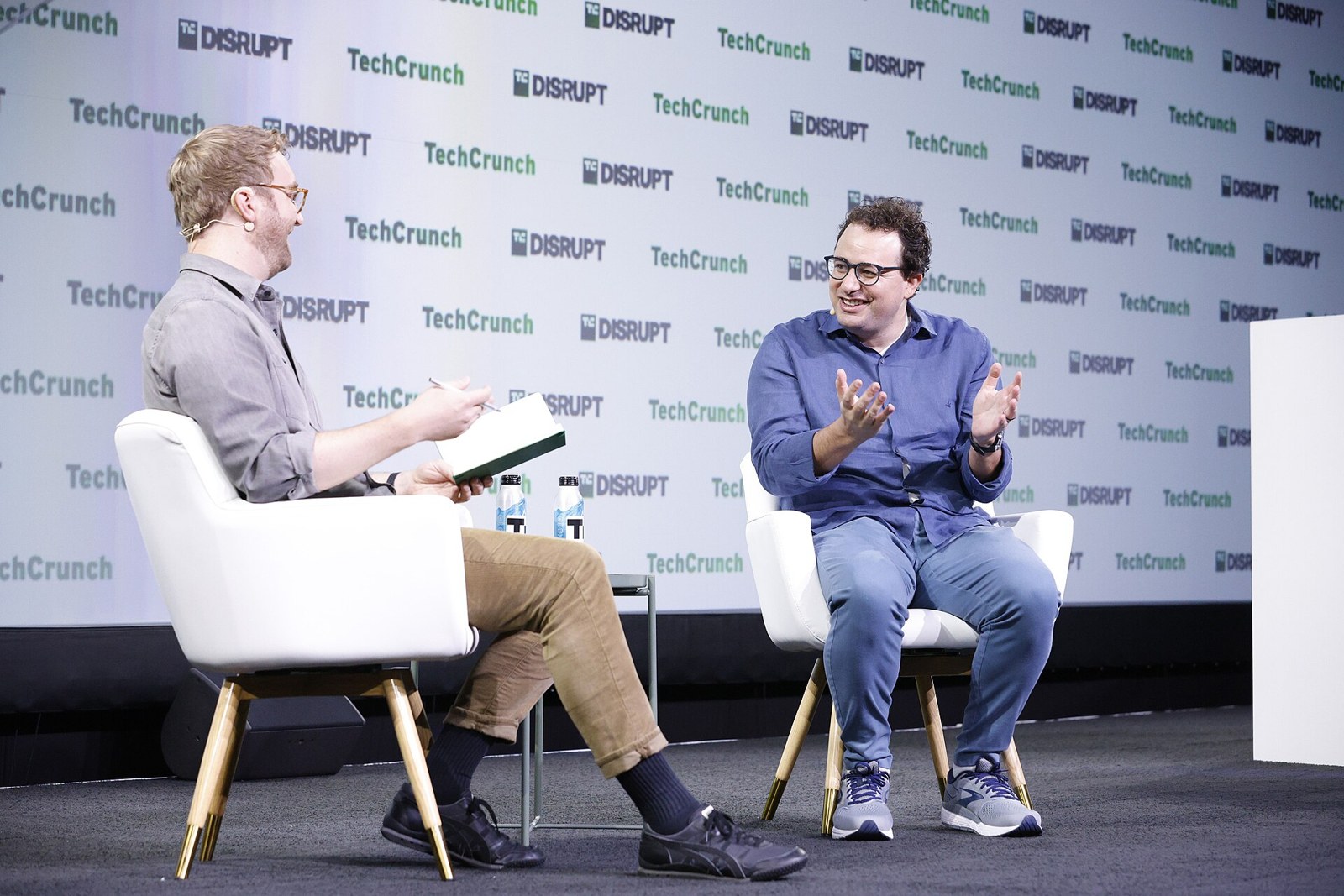
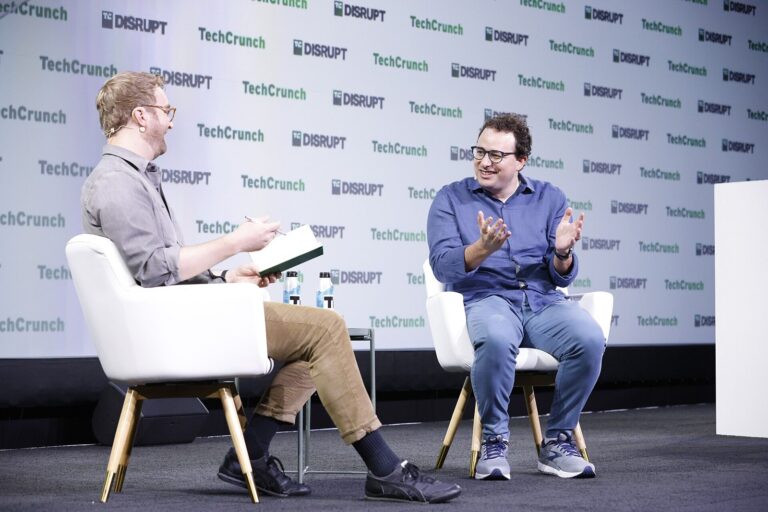
File photo: Anthropic chief executive Dario Amodei (right) on stage at TechCrunch Disrupt 2023. Photo: TechCrunch/Wikimedia Commons (CC BY 2.0)
Anthropic has launched Claude Ship, a new set of tools that lets its Claude AI review software changes, fix the problems it finds and, where a team’s own rules allow it, approve those changes for release. The product, announced on Monday, 23 November (early on Tuesday, 24 November, Malaysian time), is available in beta to Claude Team and Enterprise customers and works with code stored on GitHub.
The launch goes after one of the slowest parts of modern software work: the wait between writing a change and getting it merged into the main codebase.
What problem is Anthropic trying to solve?
In most software teams, a developer does not add new code straight into the main product. They open a “pull request” (often shortened to PR), which is a proposed change that colleagues and automated checks examine before it is merged. That process catches bugs, but it is slow. Anthropic describes the familiar cycle in its announcement: a developer starts on the next task, the review comes back, and “they stop, dig back into the old code, push a fix, and wait for the review to run again. Then they go find someone to approve it.”
The company argues that this rhythm made sense when people wrote every line, but less so now that many developers build with AI agents. “On the Claude Code team, Claude writes most of our code, and we wanted everything after the PR to move that fast too,” Anthropic wrote. It sums up the aim as: “ship code as fast as teams write it.”
Three parts: review, fix, approve
Claude Ship brings together three pieces. The first, Code Review, is not new. According to The Verge, Anthropic announced it in March and made it generally available in October. It reviews a pull request against the wider codebase “through multiple lenses”, checks its own findings and posts them on the PR. Teams can choose a Quick, Standard or Deep level of review for each repository (a repository is the store that holds a project’s code and its history).
Anthropic says that on its own Claude Code team, where Claude’s review is one layer of a wider process, merged pull requests more than doubled between June and September, while the share of changes later reverted (undone because they caused problems) fell by more than 40 per cent. Those figures come from Anthropic and have not been independently verified.
The two new agents, both in beta, are PR Steward and Claude Approvals.
PR Steward tries to keep a pull request “green”, meaning passing all its automated tests. It steps in when continuous integration (CI) checks fail, when two sets of changes clash in a “merge conflict”, or when reviewers, human or automated, leave feedback. After every change it pushes, it leaves a comment explaining what it did and how to undo it. Developers can steer it by commenting “@claude” with an instruction, or tell it to step back with “@claude stop”. Anthropic stresses that PR Steward “is designed not to approve or merge pull requests”.
That job falls to Claude Approvals, which applies an approval policy the team writes as a file inside the repository. According to Anthropic’s documentation, the feature switches on when a connected repository has a policy file, .claude/approvals.yml, on its default branch. Under that policy, Claude can approve routine changes itself or insist on human sign-off for chosen situations. Anthropic likens it to “a smarter CODEOWNERS file”, a reference to the plain-text file many GitHub projects use to name which people must approve changes to which parts of the code. Teams can have it weigh signals such as Code Review findings or their own checks written in natural language.
Humans still set the rules
Anthropic is careful to present the tool as something teams control. Administrators turn Code Review and PR Steward on one repository at a time, choose when reviews run and set monthly spending limits, and Claude Ship works alongside existing branch protection and required checks. For most customers, the company recommends running Claude Approvals first in an “observe-only” mode, in which it reports what it would have decided without actually blocking or approving anything, “to build confidence” before making its green light a requirement.
Individual developers can also try it on their own work with a new /ship command in Claude Code. Anthropic says that when a change is ready, Claude pushes it, opens the pull request, reviews it and works on feedback and failing checks to get it ready to merge, with what can actually be merged still depending on the developer’s permissions and the repository’s rules.
To encourage take-up, Anthropic says eligible Claude Enterprise organisations can claim at least US$10,000 in Claude Ship credits, to be used within 30 days of claiming, if they claim by 15 January 2027.
Why it matters
Claude Ship arrives as AI firms race to move beyond writing code towards handling more of the software release process. Letting an AI approve changes is a bigger step than letting it suggest them, which is why Anthropic has built in policy files, undo notes and an observe mode. For companies, including Malaysia’s growing pool of software and digital-services firms, the pitch is faster delivery with smaller teams; the open question is how much trust engineering leaders will place in an automated approver.
What to watch
Watch how quickly Team and Enterprise customers move Claude Approvals out of observe mode, whether Anthropic publishes independent results beyond its own team’s figures, and when PR Steward and Claude Approvals leave beta. Also watch whether rivals in AI coding tools answer with approval agents of their own.
Sources: Anthropic, “Introducing Claude Ship” and Claude Code documentation; The Verge.
About The Author



 Anna J





 Bria AI

 Lina AI

 Laura AI

 Bard AI
 Azrul Rizal

 Mohd Nazhrieyan Jailani