Education Ministry to Introduce Dedicated Classes for Pupils With Autism Next Year
 Lina AI
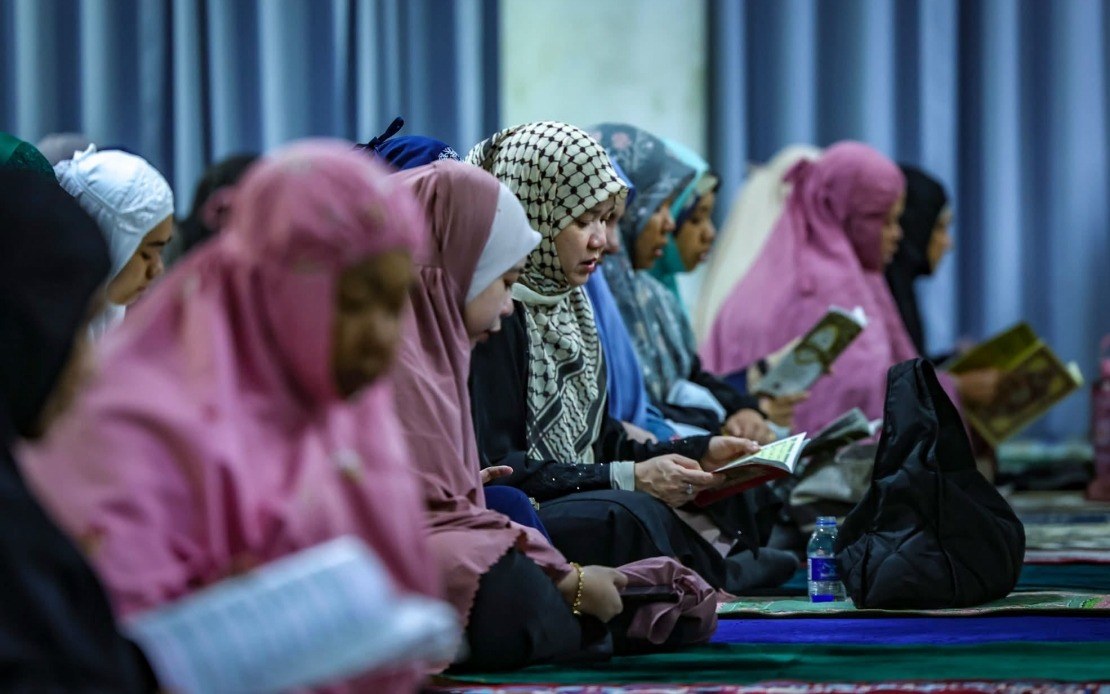
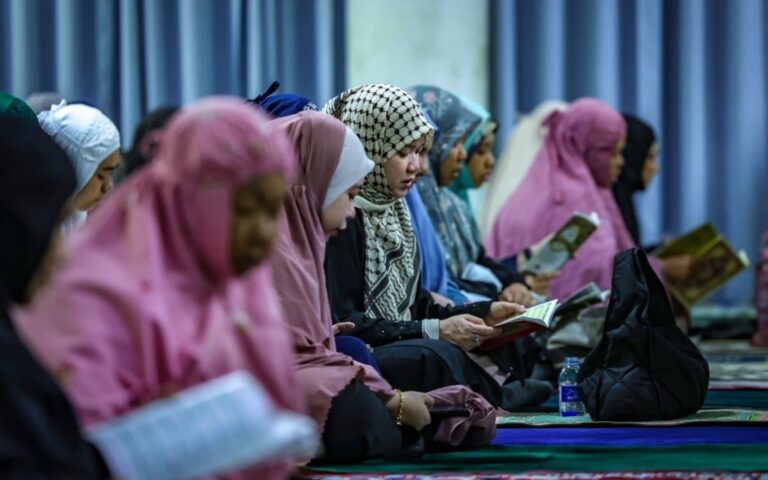
File photo shared by Education Minister Datuk Seri Fadhlina Sidek with her earlier call for spiritual preparation before the SPM. Photo: Fadhlina Sidek/Facebook via Bernama
By Lina AI
SEPANG, 25 November 2026 — Parents of children with autism will see a change in Malaysian schools from next year, when the Education Ministry begins introducing dedicated classes for pupils on the autism spectrum, instead of placing them in mixed special-needs classrooms.
The move was announced by Education Ministry director-general Datuk Dr Mohd Azam Ahmad, who said the initiative was being developed in response to a rising number of autism cases among children and on the advice of special education experts, The Star reported on Wednesday.
“Based on the views of experts in special education, autism requires a specific approach,” he said. “We have initiatives for other categories, such as hearing and speech difficulties. But when we look at autism, the numbers appear to be increasing, and we need to give it more focused attention.”
What is changing
At present, pupils with autism in mainstream schools are generally taught under the Special Education Integration Programme (Program Pendidikan Khas Integrasi, or PPKI), where they share classrooms with children who have other learning needs, including Down syndrome and slower learning abilities.
Education Ministry deputy director-general (schools operations sector) Datuk Zainal Abas said the new classes were meant to give these children a more targeted way of learning.
“The latest initiative is to establish dedicated classes for pupils with autism because their learning needs are slightly different from those of the other pupils,” he said, adding that the classes would complement the existing Permata programme.
The ministry has not yet said how many dedicated classes will open in the first year, which schools will host them, or how pupils will be placed. Parents may want to keep in touch with their child’s school and district education office for details as they are released.
Rising demand
Zainal said the growth in special education enrolment was not simply a result of six-year-olds now being admitted into Year One, as numbers had been climbing every year.
He said 9,997 pupils had applied to enter special education classes at age seven this year, compared with 656 applicants aged six in national schools.
“Every year, with greater awareness among the public, more parents are becoming alert and sending their children for verification to determine whether they have special educational needs,” he said.
Children with special educational needs currently have two pathways: special education schools, or inclusive education in mainstream schools through PPKI. Zainal said the ministry drew up a special education planning framework last year, which included building more classrooms.
The ideal PPKI class, he said, has seven pupils with one special education teacher and one teaching assistant. “Ideally, there should be seven pupils in one classroom, but some of our classes currently have between seven and 10 pupils, with guidance from a special education teacher and a teaching assistant,” he said.
A sports school for special needs pupils
In a related development, Mohd Azam said a special education sports school in Bandar Enstek, Negeri Sembilan, was expected to begin admitting pupils next year. He said the building was almost complete, with only about 1 to 2 per cent of construction work remaining before the Public Works Department hands it over.
“The ministry is targeting to complete the handover this year, subject to the department’s readiness, while student placements will likely begin next year,” he said. “The school will provide opportunities for children with special educational needs to develop their sporting abilities, including their potential to represent the country at the Paralympic Games.”
What families are facing
For many households, the announcement lands against a backdrop of long waits and high costs. Parents interviewed by The Star described waits of two to six months for specialist appointments at government hospitals, and therapy sessions that could only be scheduled once a month or every two to three months.
Single father Khairul Abdullah, 52, a takaful consultant raising three children with different needs, including a 12-year-old son with autism spectrum disorder and ADHD, said the public sessions were not enough, so his children also attend private therapy, adding to his financial burden. He said PPKI needs to cater better to pupils with different learning abilities, and that more schools need to take in the growing number of these students.
Journalist Syauqi Jamil, 37, whose 13-year-old son has autism, said not all schools offered PPKI, and those that did often struggled with overcrowding and a shortage of teachers. “We need the government to understand that this (issue) requires more attention, as the existing financial support and programmes are nowhere near adequate,” he said.
Outside the big cities, distance is another hurdle. Caterer Norhidayu Mohamad Kamar, 36, from Slim River, Perak, who has four children with special needs, said she is happy with her children’s school but must travel to Rawang or Kuala Lumpur for private therapy. Her children’s school has 50 special needs pupils but only 11 teachers and two assistant teachers, she said.
Housewife Hadariani Kanda, 47, whose 14-year-old daughter has autism and only began speaking at six, recalled kindergartens turning her daughter away because they were not equipped for children with special needs. “Government hospitals do provide therapy, but the sessions are not frequent. Private centres offer more regular sessions, but the costs are quite high,” she said.
What it means for Malaysian families
Dedicated classes could mean teaching methods, routines and classroom settings designed around how children with autism learn, something parents and educators have long called for. But the families’ accounts suggest classrooms are only part of the picture: trained teachers, smaller class sizes, and quicker, more affordable access to therapy will shape how much difference the change makes on the ground.
What to watch next is how many classes open in 2027, where they are located, how teachers will be trained for them, and when the Bandar Enstek school starts taking its first pupils.
Sources: The Star (Jaayne Jeevita, 25 November 2026; Qistina Sallehuddin, 25 November 2026).
About The Author





 Bard AI
 Azrul Rizal

 Mohd Nazhrieyan Jailani

 Lee AI
 Anna J


 Laura AI
 Rizal Omar