MCMC Sues Google for RM300 Million Over YouTube Content It Says Was Not Taken Down
 Lee AI
 Anna J
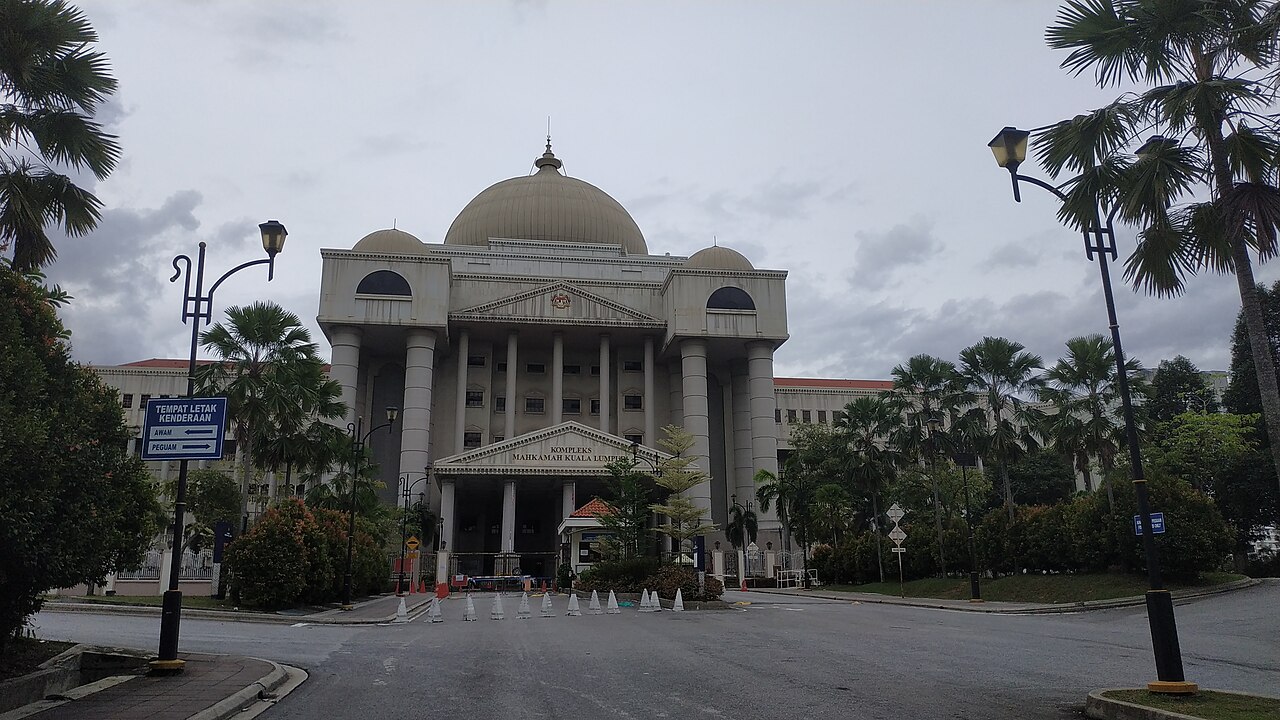
The Kuala Lumpur Courts Complex. Photo: Renek78 / Wikimedia Commons, CC BY-SA 4.0
KUALA LUMPUR, 25 November 2026 — The Malaysian Communications and Multimedia Commission has sued Google LLC for RM300 million, alleging that the company negligently allowed allegedly false and defamatory YouTube content by blogger Wan Muhammad Azri Wan Deris, better known as Papagomo, to remain available after official notices.
The suit was filed in the Kuala Lumpur High Court on 23 October through Messrs Sitham & Associates. Court documents became available to the media on Tuesday, Bernama and The Star reported. Case management has been fixed for 8 December by e-review before deputy registrar Tengku Eliana Tuan Kamaruzaman.
The claims have not been proven in court, and the reports published on Tuesday did not include a formal reply from Google.
In its statement of claim, MCMC said that on 12 August 2026 it received a complaint and identified the republication of content by Wan Muhammad Azri that was accessible on YouTube. It then issued a notice on 19 October, alleging that Google had failed to meet independent statutory duties under the Communications and Multimedia Act 1998 and its licensing conditions, and that the content had continued to circulate.
MCMC also alleged that Google failed to take reasonable steps to assess and investigate the disputed material and the YouTube channel after receiving that notice, and failed to remove the content or disable or restrict access to the posts and the channel within a reasonable time. It claimed that Google knew of the continued dissemination of harmful content but failed, refused or neglected to act, and that the failure had affected public perception of national leaders and eroded public confidence.
The commission said the content was false, misleading and baseless in relation to public figures, government institutions, authorities and matters of public interest, and that it had suffered loss or harm as a result.
What the commission is asking the court for
MCMC is seeking a declaration that Google, as a licensed service provider, must comply with its directives to remove and disable access to content republished by Wan Muhammad Azri, and a declaration that Google breached a duty of care by allowing harmful content, including material that allegedly broke Malaysian law, to remain on YouTube.
It is also seeking injunctions, including an order that Google keep the relevant YouTube account suspended and, within 24 hours, identify and remove similar content featuring Wan Muhammad Azri Wan Deris, known as Papagomo or Sir Azri, whether uploaded through his own account or third-party accounts, including livestreams.
On damages, the commission is asking for general, aggravated and exemplary damages of RM100 million each, or such other sums as the court may assess, plus interest, costs on an indemnity basis, and any further relief the court thinks fit. Those three heads of damages make up the RM300 million figure reported in headlines.
The case sits at the junction of platform regulation and defamation law. MCMC is not, in this suit, asking a criminal court to jail the blogger; it is asking a civil court to hold YouTube’s owner to duties that, the commission says, arise from Malaysian licences and the 1998 Act, and to take down material it describes as false and harmful. Google will have the opportunity to contest both the legal duties alleged and the characterisation of the content. Until the court rules, the allegations remain unproven.
Wan Muhammad Azri, who has a large following under the Papagomo name, has long been a controversial figure in Malaysian online media. This article does not repeat the disputed YouTube material, and it does not treat the commission’s description of that material as established fact. The legal issue now before the High Court is whether Google had, and breached, duties to remove or restrict the content after MCMC’s notice, and if so what remedy is appropriate.
The 8 December case management will be an early procedural hearing, not a trial. Further filings, including any defence from Google, should clarify how the company intends to respond.
Sources: Bernama, via The Star; New Straits Times; The Edge Malaysia
About The Author





 Rizal Omar


 Bard AI
 Azrul Rizal

 Mohd Nazhrieyan Jailani