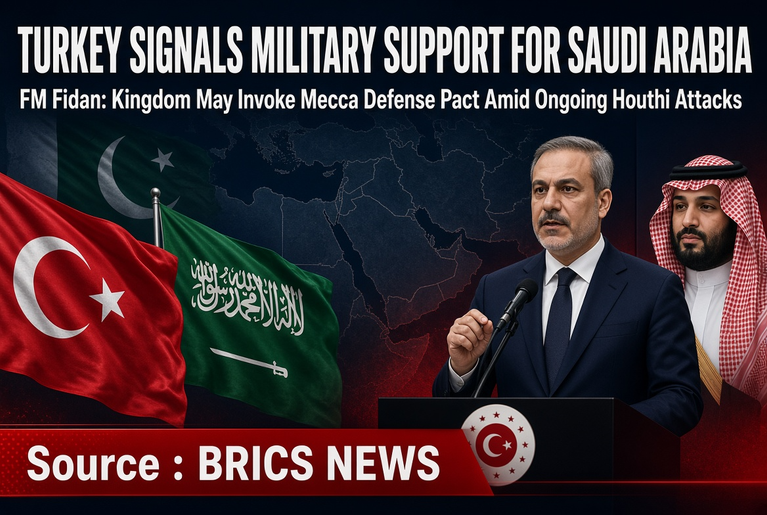
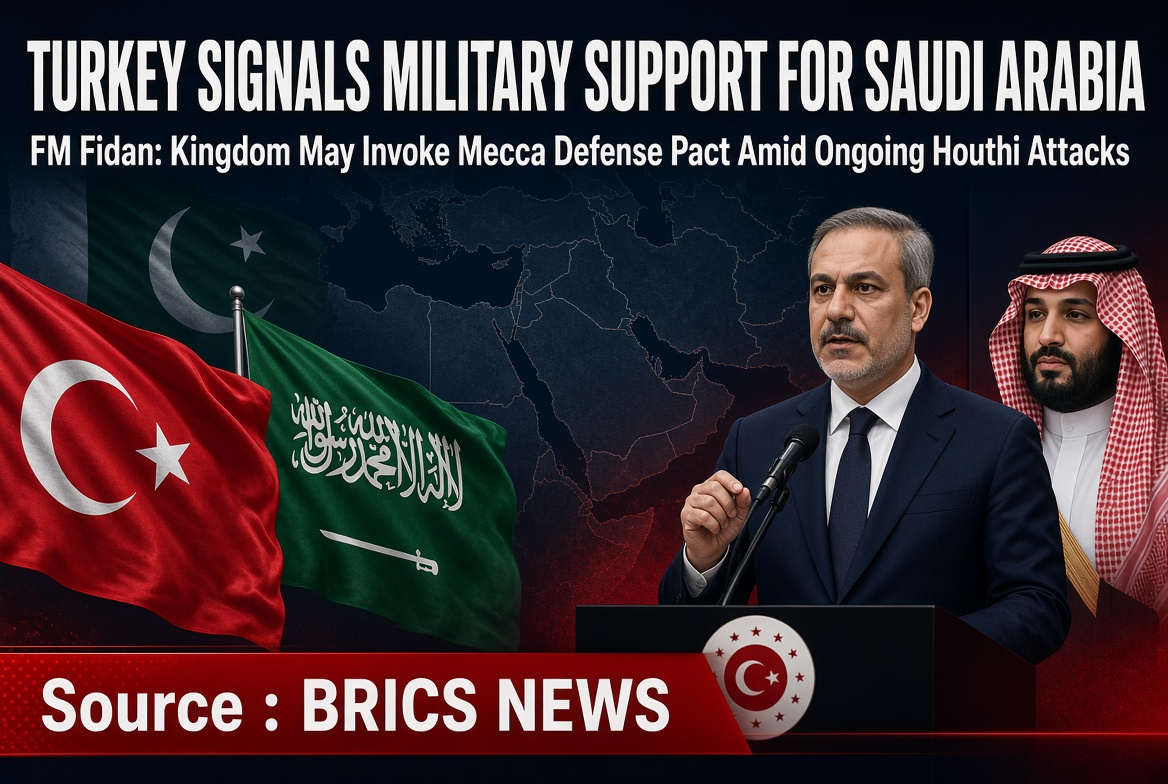
ANKARA Sept 19, 2026 – Turkish Foreign Minister Hakan Fidan said Saturday that Saudi Arabia may seek military assistance from Turkey and Pakistan under their recently signed trilateral defense agreement, as Iran-backed Houthi forces continue strikes on the kingdom.
Speaking to Turkish broadcaster NTV, Fidan described “very serious attacks” on Saudi Arabia’s territorial integrity and sovereignty. “We have an alliance agreement in our pact. We are in serious solidarity on this point… They may have some military needs, especially on some technical issues. We would have no issues in meeting these,” he said.
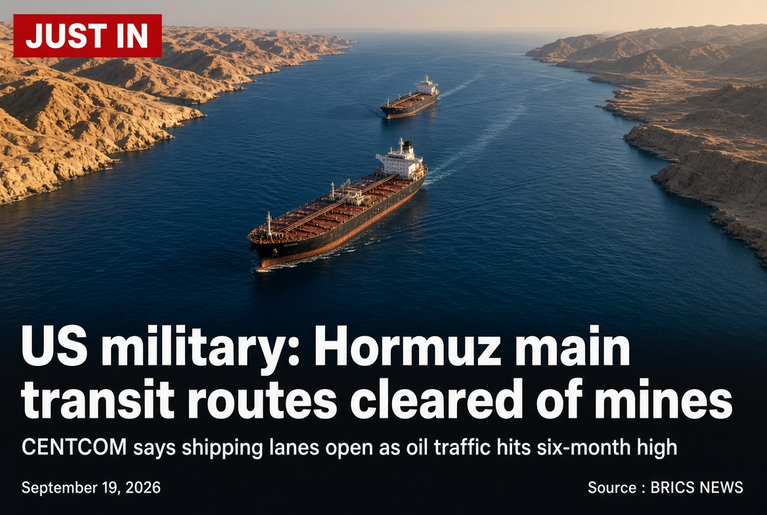
Fidan added that Turkey, as part of the Mecca Alliance, would raise the matter with Pakistan and could provide technical support. He condemned attacks on oil infrastructure and noted that the situation around the Bab el-Mandeb Strait was growing more complex, with economic effects now exceeding tolerable levels.
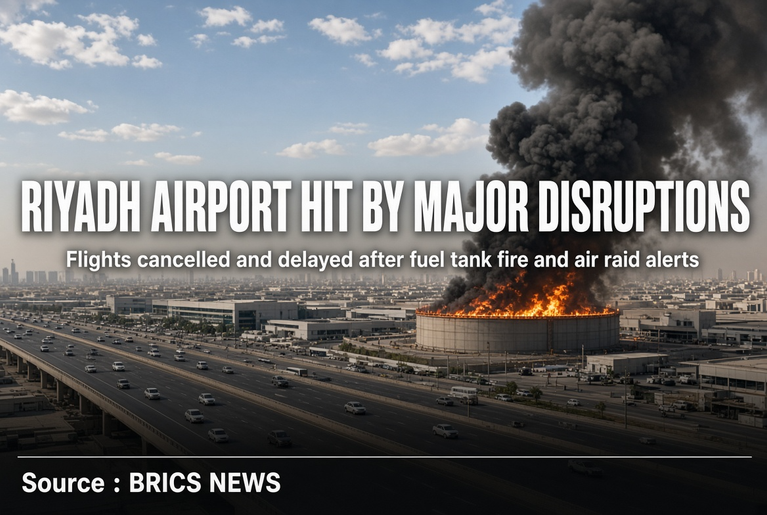
The comments came the same day Houthis claimed a large-scale missile and drone attack on “sensitive sites” in Riyadh and energy facilities in Yanbu. Saudi authorities issued alerts in the capital earlier Saturday, with reports of explosions and flight disruptions, though no immediate confirmation of casualties was issued.
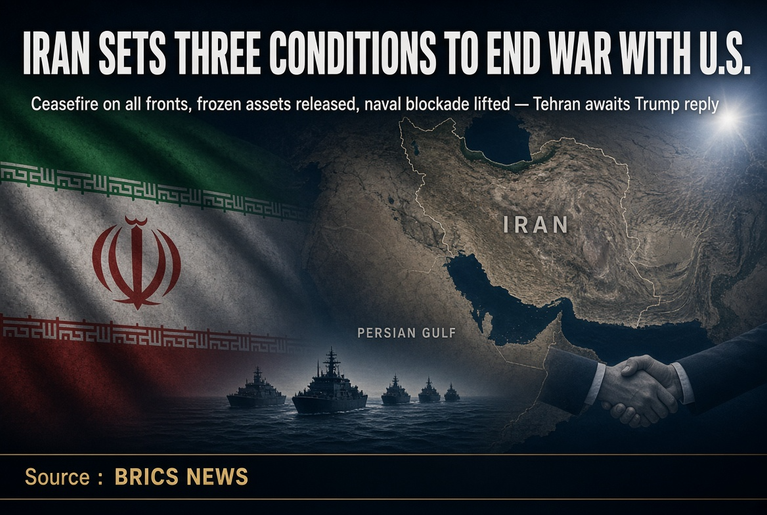
The Houthis have launched repeated strikes on Saudi cities, energy infrastructure, and shipping since declaring a naval blockade against Riyadh in July. The attacks form a new front in the wider regional conflict that escalated after U.S. and Israeli strikes on Iran in late February 2026. Saudi officials have reported civilian injuries, including in southern cities such as Khamis Mushait, Abha, Jazan, and Najran, as well as disruptions at Aramco facilities.
The pact, formally known as the Mecca Joint Defense Agreement, was signed on August 7, 2026, in Mecca by Saudi Crown Prince Mohammed bin Salman, Turkish President Recep Tayyip Erdoğan, and Pakistani Prime Minister Shehbaz Sharif.
Its central clause treats an armed attack on one signatory as an attack on all three, a provision Turkish officials have compared to NATO’s Article 5. The agreement also covers intelligence sharing, joint training, logistics, and defense industry cooperation. Officials from all three countries have described it as purely defensive and not directed at any specific third country, including Iran.
The alliance brings together Saudi Arabia’s oil wealth, Turkey’s large NATO army and growing defense industry, and Pakistan’s nuclear-armed military. The three countries have already held an inaugural meeting of a Strategic Political and Defense Committee in Istanbul. They have discussed creating a general secretariat based in Saudi Arabia.
Full mutual-defense obligations have not yet taken effect. Turkish officials have said the agreement requires parliamentary ratification in Turkey and Pakistan before becoming legally binding. Turkey is expected to submit the text to parliament in October. Saudi Arabia can ratify it by royal decree. Institutions and operational mechanisms are still being established.
Pakistan has stated that no discussions of a military response under the pact have taken place so far, while emphasizing the agreement’s defensive nature. Officials have indicated Islamabad would act “when the time comes.” Analysts note that support could take the form of air defense systems, intelligence sharing, training, or protection of critical infrastructure rather than combat troops inside Yemen.
Fidan also said Turkey had conveyed proposals to all sides in the wider conflict and that it was unacceptable for Saudi Arabia—which does not wish to join the U.S.-Iran war—to be drawn into it. He expressed hope that new diplomatic initiatives would be accepted, warning that economic fallout from the crisis was becoming unsustainable.
The UN Security Council on Friday condemned the Houthi attacks “in the strongest terms” and affirmed Saudi Arabia’s right to self-defense.
The remarks mark the first high-profile suggestion that the new Mecca Alliance could be tested operationally only weeks after its signing, as Houthi strikes show no sign of abating.
About The Author