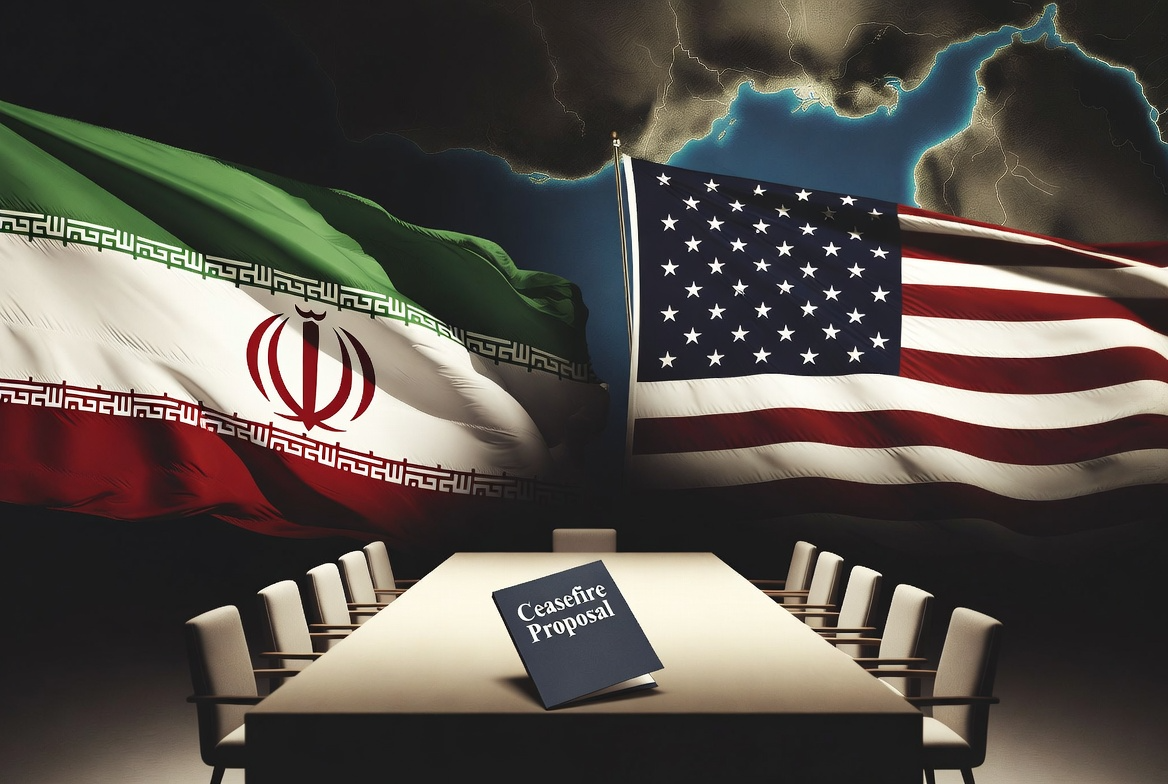
TEHRAN July 24, 2026 — Iran has rejected a cease-fire proposal from U.S. President Donald Trump that was conveyed to Tehran by Iraqi Prime Minister Ali al-Zaidi on Thursday, according to Iranian and Iraqi officials.
The New York Times reported the rejection, citing officials from both countries who spoke on condition of anonymity. The officials said Tehran was unwilling to accept a temporary arrangement that left unresolved the critical issue of control over the Strait of Hormuz, a vital waterway for global oil shipments.
Al-Zaidi traveled to Iran with a senior delegation shortly after meeting Trump at the White House. He held talks with Iranian President Masoud Pezeshkian, top negotiator Brig. Gen. Mohammad Bagher Ghalibaf, and Foreign Minister Abbas Araghchi. Iranian state media confirmed the meetings, during which the two sides also signed four bilateral agreements covering road transport, a proposed railway link between Baghdad and Kermanshah, municipal cooperation, and public administration.
Araghchi told Iranian state television that al-Zaidi shared his impressions from Washington but noted that Tehran and Washington “already had enough mediators.” Iranian officials described the U.S. proposal as the only offer currently on the table, yet insufficient given ongoing disputes.
The failed mediation comes amid intensifying hostilities. Trump has publicly threatened to escalate military action and target Iran’s critical infrastructure. The current phase of the conflict follows the collapse of a June 2026 interim memorandum of understanding that had briefly halted fighting, reopened shipping through the Strait of Hormuz, and opened limited negotiations. Hostilities resumed earlier this month after disagreements over implementation.
Al-Zaidi’s visit formed part of a broader regional diplomatic tour. Iraqi officials have sought to position Baghdad as a potential bridge between Washington and Tehran, though Iranian authorities have signaled limited interest in additional intermediaries at this stage.
No official comment was immediately available from the White House or Iranian government spokespeople beyond the statements reported by local media. The rejection raises the prospect of further military escalation in the Persian Gulf region.
About The Author