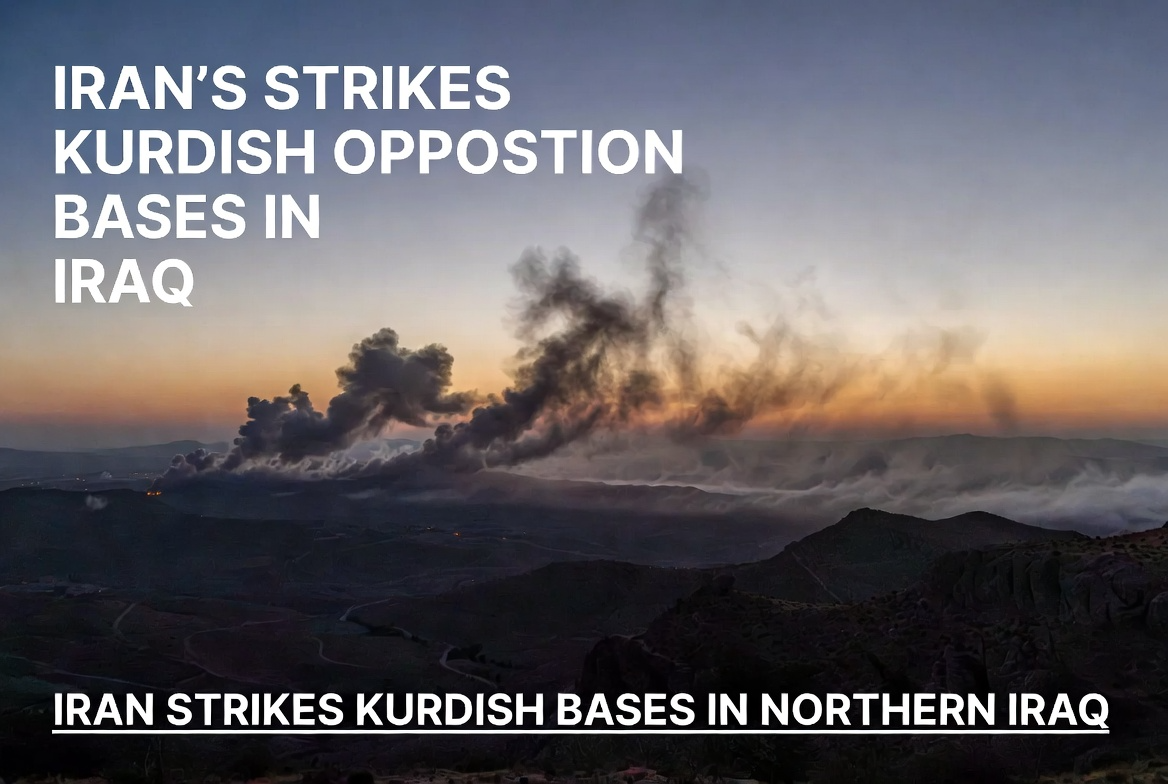
ERBIL, IRAQ July 19, 2026 — Iran has carried out attacks on bases belonging to Iranian Kurdish opposition groups in the Kurdistan Region of northern Iraq, according to reports emerging on Sunday, July 19, 2026.
The strikes, reported as missile and drone attacks, target camps and facilities of groups such as the Democratic Party of Iranian Kurdistan (PDKI/KDPI), Komala, and the Kurdistan Freedom Party (PAK). These organizations have maintained long-standing bases in Iraq’s semi-autonomous Kurdistan Region for decades.
This latest incident fits into a sustained pattern of Iranian operations against these opposition groups. Since the end of a 40-day conflict involving Iran, the United States, and Israel in early April 2026, Iranian forces — primarily the Islamic Revolutionary Guard Corps (IRGC) — have conducted dozens of cross-border strikes on opposition camps and residential areas in the Kurdistan Region.
Human rights monitors, including Hengaw, have documented at least 50 such attacks since the April ceasefire, with some resulting in casualties among fighters and civilians. Many strikes have caused material damage with no reported deaths.
In mid-July, multiple drone and missile attacks hit opposition-linked sites near Erbil and in Sulaymaniyah province. Kurdish authorities reported strikes on camps and a weapons depot, prompting temporary suspension of flights at Erbil and Sulaymaniyah airports on July 18 following security concerns.
No immediate details on casualties or specific targets were available in the initial breaking reports on July 19. Iranian officials have previously justified such actions as necessary to counter what they describe as security threats from armed groups operating from Iraqi territory.
The attacks occur against a backdrop of fragile regional stability following the earlier Iran-US-Israel confrontation and subsequent ceasefire agreements. Iranian Kurdish opposition parties have long accused Tehran of attempting to eliminate their presence in Iraq through military pressure on both the groups themselves and the Kurdistan Regional Government (KRG).
Iraqi and Kurdish officials have repeatedly called for an end to cross-border violations, citing agreements aimed at securing the border and preventing the use of Iraqi soil for attacks against neighboring countries.
The situation remains fluid, with further details expected as local authorities and international observers assess the impact of the latest strikes.
About The Author