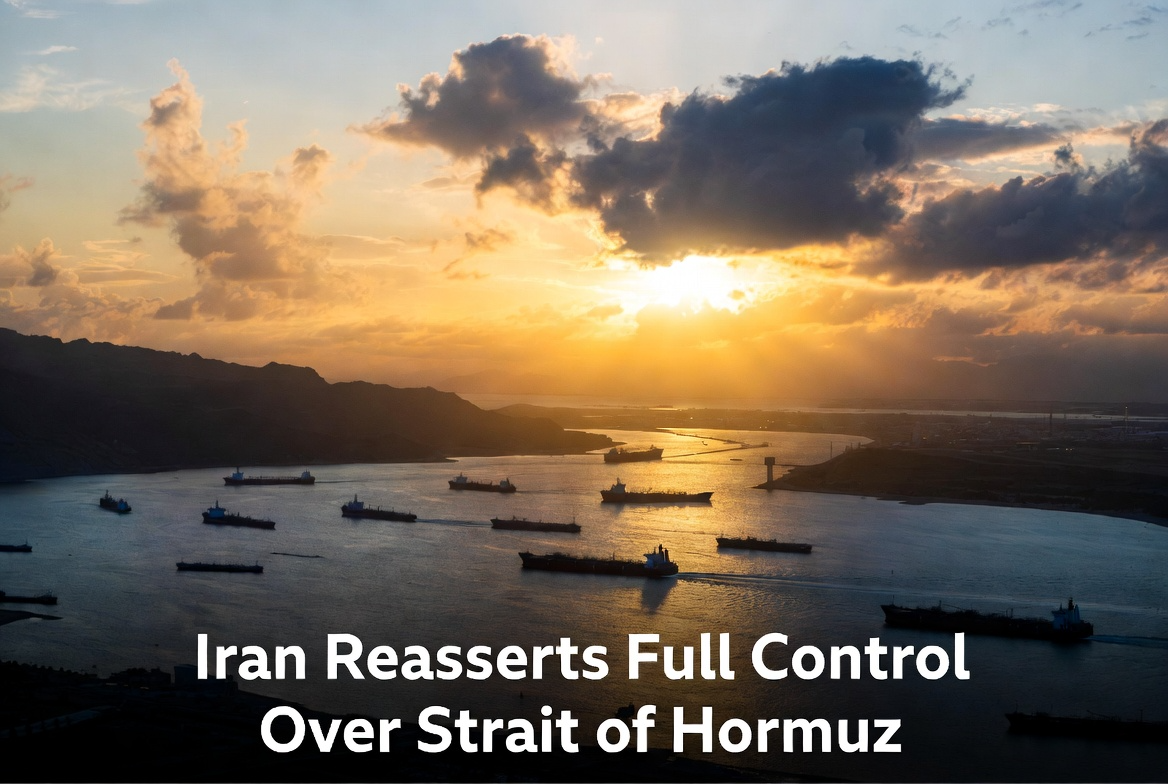
TEHRAN July 17, 2026 — Iran has declared that it maintains full control over the Strait of Hormuz, the narrow waterway at the entrance to the Persian Gulf that serves as a critical chokepoint for global energy supplies.
The claim was highlighted in a “JUST IN” post by the X account @BRICSinfo early Friday morning, reflecting statements from Iranian officials and military sources in recent days.
Iranian authorities, including the Islamic Revolutionary Guard Corps (IRGC) and Foreign Ministry spokespeople, have repeatedly stated that the strait falls under their administration. They insist vessels must use routes designated by Tehran, coordinate with Iranian authorities, and that any interference — particularly from the United States — is unacceptable.
This position builds on earlier declarations in June and July 2026, where Iranian Foreign Minister Abbas Araghchi and military headquarters asserted sole responsibility for managing shipping through the waterway. Iran views this control as a core sovereign right and strategic leverage.
The latest assertion comes against the backdrop of a months-long conflict that began with U.S. and Israeli strikes on Iran on February 28, 2026. Iran responded by disrupting shipping in the strait, leading to significant global oil price spikes and stranded vessels.
An interim memorandum of understanding (MoU) signed in mid-June aimed to reopen the strait for commercial traffic during a 60-day negotiation period, with no fees imposed during that window. However, the truce has frayed amid mutual accusations of violations, renewed strikes on ships, and back-and-forth military actions.
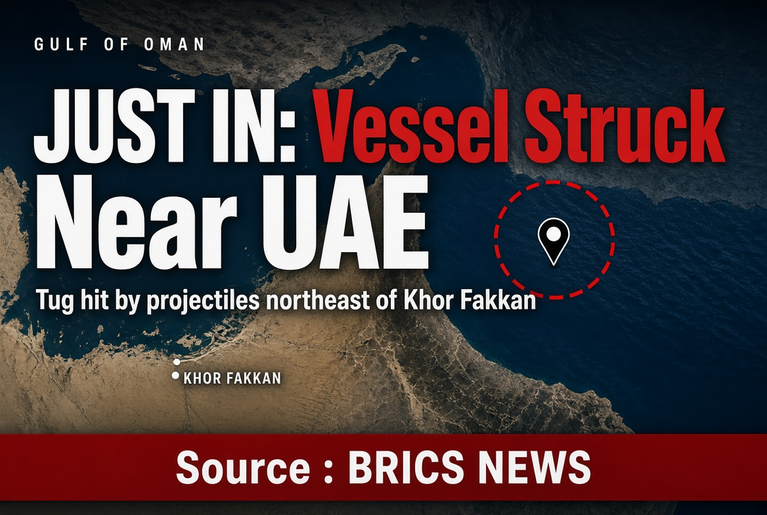
As of mid-July 2026, tensions have escalated again with reports of U.S. strikes on Iranian targets, Iranian retaliatory attacks on regional bases hosting U.S. forces, and the reimposition of restrictions on Iranian ports.
The United States has consistently rejected Iran’s claims of control. U.S. Central Command (CENTCOM) has stated that the Strait of Hormuz is an international waterway and that Iran does not control it. American forces have facilitated the transit of hundreds of commercial vessels and millions of barrels of oil, often supporting alternative routes near Oman’s coast.
Washington has emphasized freedom of navigation and warned against any attempts to impose tolls or unilateral restrictions. Gulf states and international shipping bodies have also expressed concerns over Iran’s efforts to enforce designated routes.
The Strait of Hormuz is one of the world’s most vital maritime passages. In normal times, approximately 20% of global crude oil and liquefied natural gas shipments pass through it daily. Any sustained disruption can significantly impact global energy prices, supply chains, and economies.
Analysts note that Iran’s repeated assertions serve both as a negotiating tool in ongoing diplomacy and a means to project regional power.
Shipping activity through the strait has fluctuated amid the recent escalations, with some vessels continuing transit while others face uncertainty. Oil markets are closely watching developments, as renewed threats or blockades could trigger price volatility.
Iran maintains that its control ensures security and ends what it describes as decades of external interference in the Gulf. The United States and its allies counter that unilateral control by any single nation violates international norms of free navigation.
The situation remains fluid, with diplomatic channels reportedly still active alongside military posturing. Further developments in the coming days could significantly affect global energy security.
About The Author