By Professor Dato Dr Ahmad Ibrahim
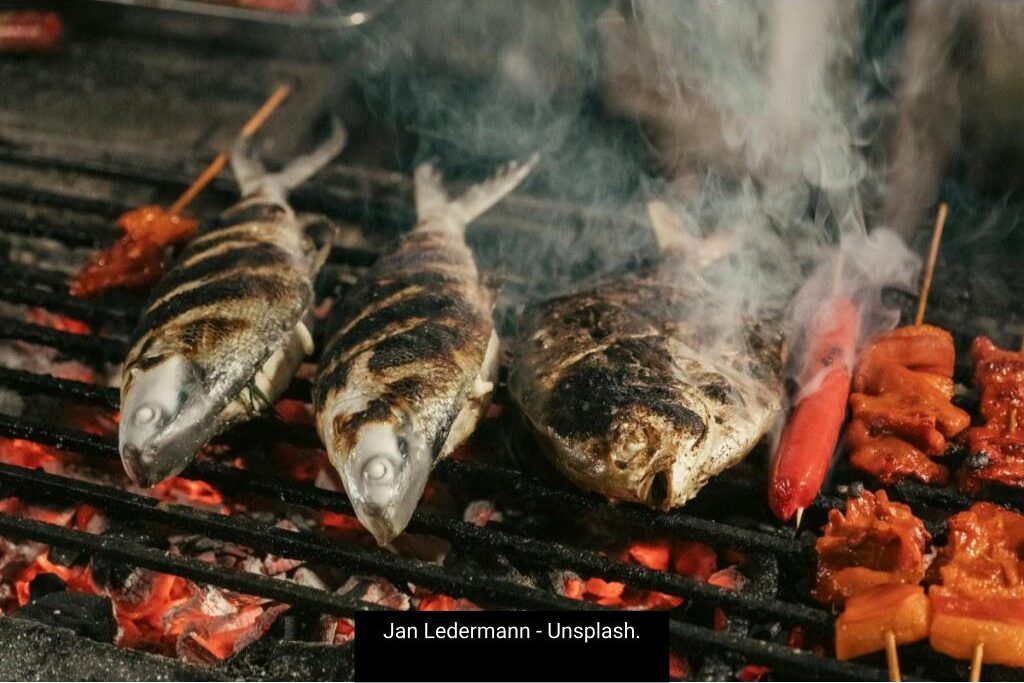
Imagine your favourite Malaysian meal—a steaming plate of ikan bakar, a comforting bowl of laksa, or the sweet freshness of udang. Now, imagine a future where that fish or prawn is much harder to find, or much more expensive. That’s the stark choice Malaysia faces, according to a major new study by scientists from Japan and Malaysia.
I recently drove all the way to Kuala Rompin to enjoy more affordable and fresh udang galah. In Bahau, where we also sometime ventured for a meal, the udang galah dish is more pricey. The research done dives deep into the two sides of our seafood story: capture fisheries (the fish from the sea) and aquaculture (the fish and shrimp we farm). The findings paint a picture of a system under serious strain, but also one with a clear path forward if we act wisely.
The issue of the troubled seas is now common knowledge: Our natural fish banks are running low. Think of our wild fish stocks like a savings account. For generations, we’ve been making withdrawals. This study confirms what many fishermen already know: we’re overdrawing the account. Many key fish populations in Malaysian waters are either fully exploited or, worse, over-exploited.
The main culprits? Too many boats using too-efficient gear, and the persistent problem of illegal fishing. The study sounds a loud alarm: if we don’t manage this natural capital more carefully, the bounty of our seas—a critical source of protein and livelihood—will continue to shrink. It’s not just about fewer fish; it’s about damaged ecosystems and threatened food security for future generations.
The farm gate boom is a double-edged sword. To fill the gap, Malaysia has turned to fish and shrimp farming (aquaculture) in a big way. We’re now a major producer of farmed shrimp and sea bass (like siakap). This is the success story on the surface—it creates jobs and puts food on the table. But the research reveals a hidden cost. This rapid growth has sometimes come at the expense of the environment. In some places, mangrove forests—nature’s coastal guardians—have been cleared for ponds. These mangroves are crucial nurseries for wild fish and protect our shores from storms. Furthermore, waste from farms can pollute waterways, and diseases can spread quickly in tightly packed ponds.
The blueprint for a sustainable future: So, are we doomed to choose between empty seas and polluted coasts? The authors say absolutely not. They lay out a compelling “blueprint” for a smarter, more sustainable future: For wild fisheries: Teamwork on the water. The study champions co-management. This means bringing fishermen, scientists, and government officials to the same table. Local fishermen have generations of knowledge. By giving them a real stake in protecting their fishing grounds—almost like community guardians—we can craft better rules that everyone will follow. Stricter enforcement against illegal fishing is non-negotiable.
For aquaculture: Quality over quantity. We need to farm smarter, not just more. The paper points to high-tech, closed systems that recycle water and prevent pollution. It also means choosing sites carefully to avoid clearing more mangroves, and farming species that are better suited to our environment.
Think of it as moving from traditional agriculture to high-tech, precision agriculture—but for fish. And invest in tomorrow’s fish farmers. The researchers emphasize that none of this works without people. We need to train a new generation in modern, sustainable aquaculture techniques and fisheries science.
This research is more than an academic exercise; it’s a vital health check for a cornerstone of Malaysian life. The message is clear: the old way of doing things is hitting its limit. The path forward requires a fundamental shift from seeing the ocean and coasts as limitless resources to managing them as precious, shared gardens. It’s about balancing today’s dinner plate with tomorrow’s harvest.
The good news? The solutions are on the table. With smart policy, investment in innovation, and by truly partnering with the fishing communities on the front lines, Malaysia can secure its status as a seafood-loving nation for the long haul. The choice, and the responsibility, is ours.

The author is affiliated with the Tan Sri Omar Centre for STI Policy Studies at UCSI University and is an Adjunct Professor at the Ungku Aziz Centre for Development Studies, Universiti Malaya.
About The Author